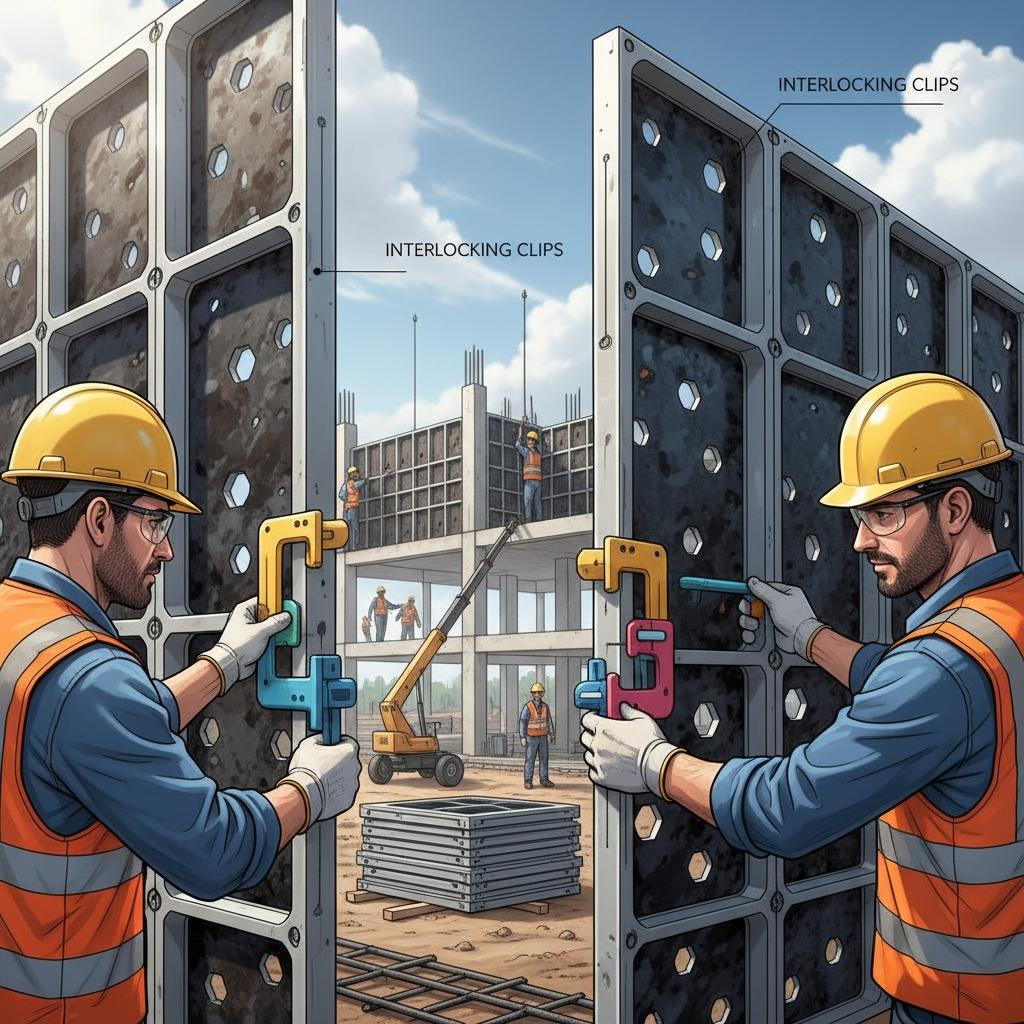
In the realm of construction, concrete formwork is the backbone of every concrete structure—from residential building walls and columns to large-scale bridge and tunnel projects. The choice of concrete formwork directly impacts construction efficiency, project costs, structural quality, and even environmental sustainability. For decades, the industry has relied on traditional timber formwork, aluminum alloy formwork, and conventional steel formwork, each with inherent limitations. Today, lightweight steel formwork—a revolutionary innovation from TABLE Intelligent Construction Technology—redefines the standards for concrete formwork, combining the best attributes of existing solutions while solving their core pain points. This article breaks down the key considerations for selecting concrete formwork and explains why TABLE’s lightweight steel system is the optimal choice for modern construction projects worldwide.

The Critical Role of Concrete Formwork in Construction
Concrete formwork is more than just a temporary mold for pouring concrete; it dictates the precision, strength, and finish of the final structure. A high-quality formwork system must meet three core requirements: superior load-bearing capacity to withstand concrete pressure, ease of assembly and disassembly to boost on-site efficiency, and durability to deliver long-term value. Poorly chosen formwork leads to costly issues—timber formwork warps and rots, aluminum formwork dents easily under heavy loads, and traditional steel formwork is too bulky for manual handling. As construction projects demand faster timelines, higher quality, and greener practices, the industry needs a concrete formwork solution that checks all these boxes—and lightweight steel formwork is the answer.
ACI (American Concrete Institute) about Concrete Formwork design industry standards
TABLE Lightweight Steel Concrete Formwork: Engineered for Excellence
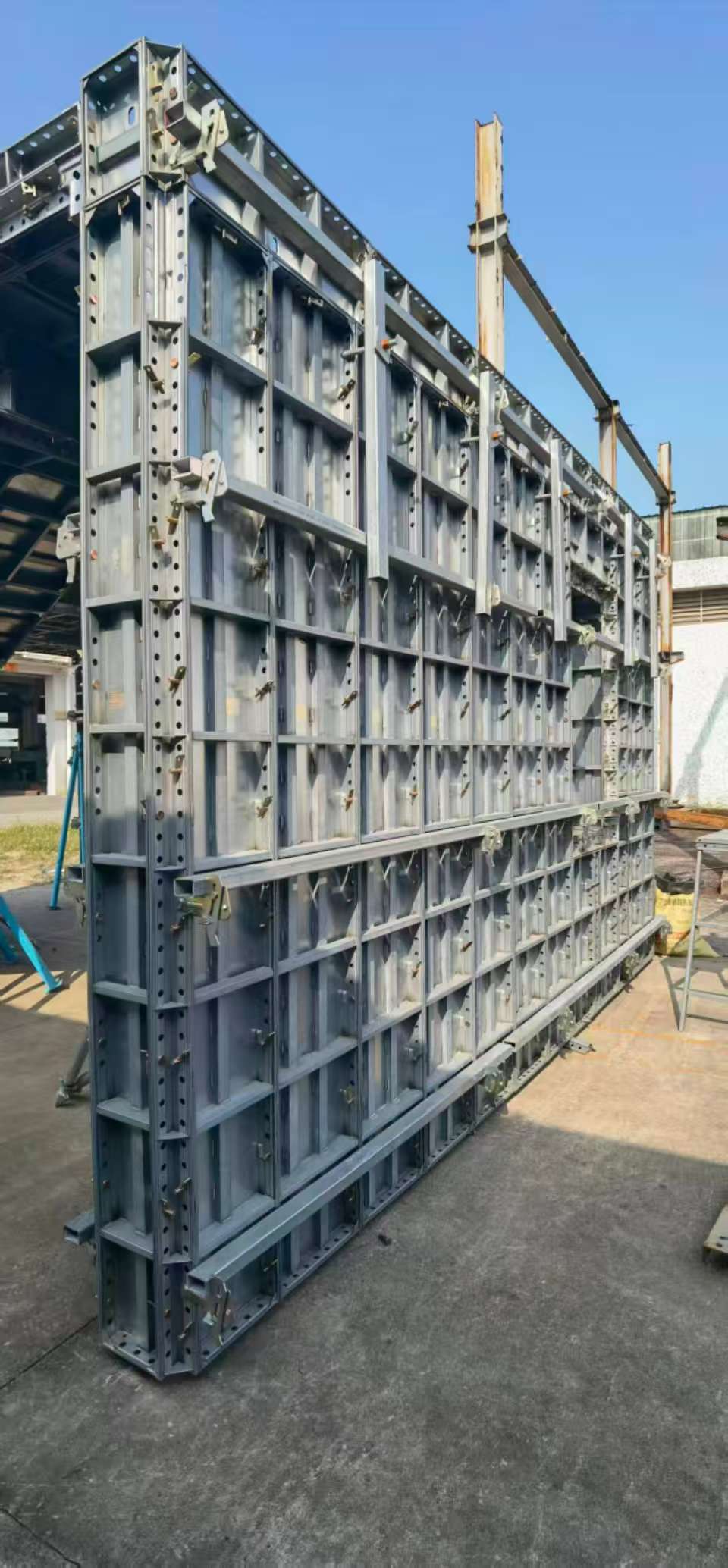
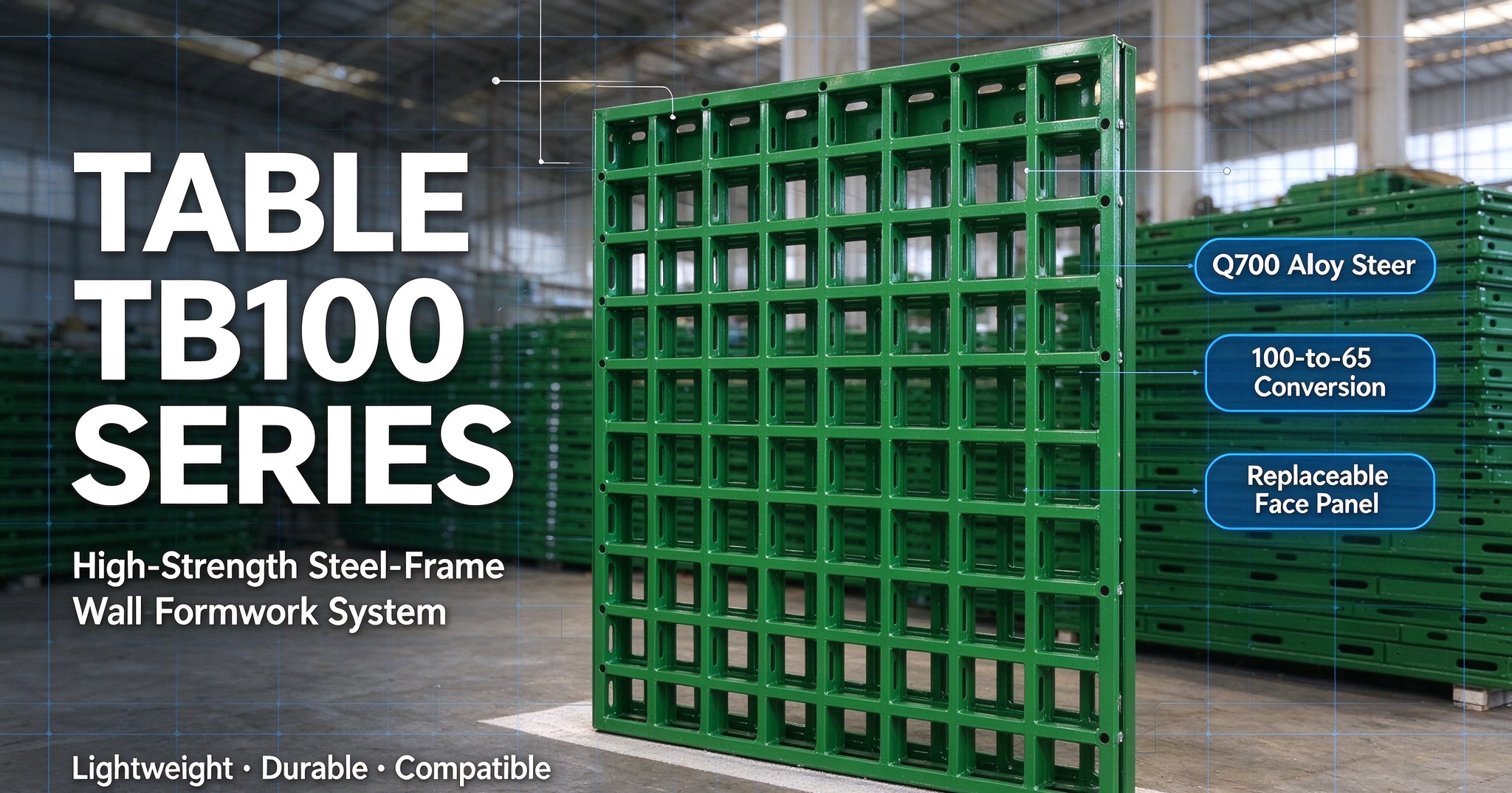
TABLE Intelligent Construction Technology (Suzhou) Co., Ltd., in partnership with Table Concrete Formwork & Shoring Inc. (USA), has developed a patented lightweight steel formwork system that sets a new benchmark for the concrete formwork industry. Crafted from alkali-resistant ferritic stainless steel sheet (equivalent to Q700 strength) using cold rolling and laser welding, this system is purpose-built for the rigors of concrete construction—from high-rise buildings to civil engineering projects like bridges and tunnels TABLE Global Formwork & Shoring Manufacturing Capabilities. What makes this concrete formwork stand out is its seamless integration of lightweight design, industrial-grade strength, and eco-friendly reusability, with real-world performance data and engineered features that deliver tangible value to contractors and project owners.
ASTM International stainless steel building material performance standards for Concrete Formwork
Core Features of TABLE Lightweight Steel Concrete Formwork (With Real Data)
- Lightweight & Maneuverable: Matching the weight of aluminum alloy formwork (e.g., a 600W2400 wall panel weighs just 27.91kg; a 100W2400 wall panel is only 7.76kg), the system is easy to handle and install manually—no heavy machinery required, reducing on-site labor and equipment costs.
- Q700-Equivalent High Strength: Cold-rolled stainless steel profiles and laser welding create a rigid structure that withstands extreme concrete pressure, making it suitable for all building structures (residential, commercial, civil engineering).
- Exceptional Durability: Alkali-resistant material ensures corrosion resistance, with a service life far exceeding timber, bamboo, and even aluminum formwork—eliminating frequent replacement costs TABLE Green Formwork Patent Technology for Concrete Formwork.
- Interchangeable with Aluminum Formwork: Identical design and fittings to aluminum alloy formwork systems, allowing mixed use and seamless integration with existing aluminum formwork inventory—no need for full system overhauls.
- No Release Agent Required: A smooth, non-stick surface eliminates the need for release agents, streamlining the pouring process and reducing material waste and on-site cleanup time.
- Fast Construction Speed: Standardized components and tool-free assembly (Pin & Wedge connections) cut assembly/disassembly time by up to 50% compared to traditional formwork, shortening project cycles significantly.
- Eco-Friendly & Reusable: 100% recyclable steel material with unlimited reusability, reducing wood resource consumption and aligning with global green construction initiatives UNEP Sustainable Construction Guidelines for Concrete Formwork.
TABLE Lightweight Steel Concrete Formwork vs. Traditional Concrete Formwork
To clearly demonstrate the advantages of TABLE’s lightweight steel concrete formwork, we’ve compared it to the three most commonly used formwork types—timber formwork, aluminum alloy formwork, and conventional steel formwork—across key performance, cost, and sustainability metrics. All data is based on real project applications and industry standard testing TABLE Product Performance Testing & Certification for Concrete Formwork.
| Metric | TABLE Lightweight Steel Concrete Formwork | Timber Formwork | Aluminum Alloy Formwork | Conventional Steel Formwork |
|---|---|---|---|---|
| Weight (600x2400 panel) | 27.91kg (light, manual handling) | 30-35kg (variable) | 27-29kg (light) | 45-50kg (bulky, machinery needed) |
| Material Strength | Q700 equivalent (high rigidity) | Low (easily warped) | Medium (prone to denting) | High (overly rigid) |
| Service Life | 1000+ uses (alkali/corrosion resistant) | 5-10 uses (rot/ wear) | 300-500 uses (dents/ fatigue) | 800+ uses (heavy, hard to maintain) |
| Interchangeability | 100% with aluminum formwork | None | Limited (system-specific) | None |
| Release Agent Needed | No | Yes (required) | Yes (recommended) | Yes (required) |
| Construction Efficiency | 50% faster assembly/disassembly | Slow (custom cutting) | Fast (standardized) | Slow (bulky components) |
| Initial Cost | Mid-range (between steel & aluminum) | Low | High | High |
| Lifecycle Cost | Very Low (long life + low labor) | Very High (frequent replacement) | Mid (replacement + repair) | High (maintenance + machinery) |
| Eco-Friendliness | 100% recyclable, zero wood consumption | High wood waste, non-recyclable | Recyclable (high energy to produce) | Recyclable (bulky, high transport emissions) |
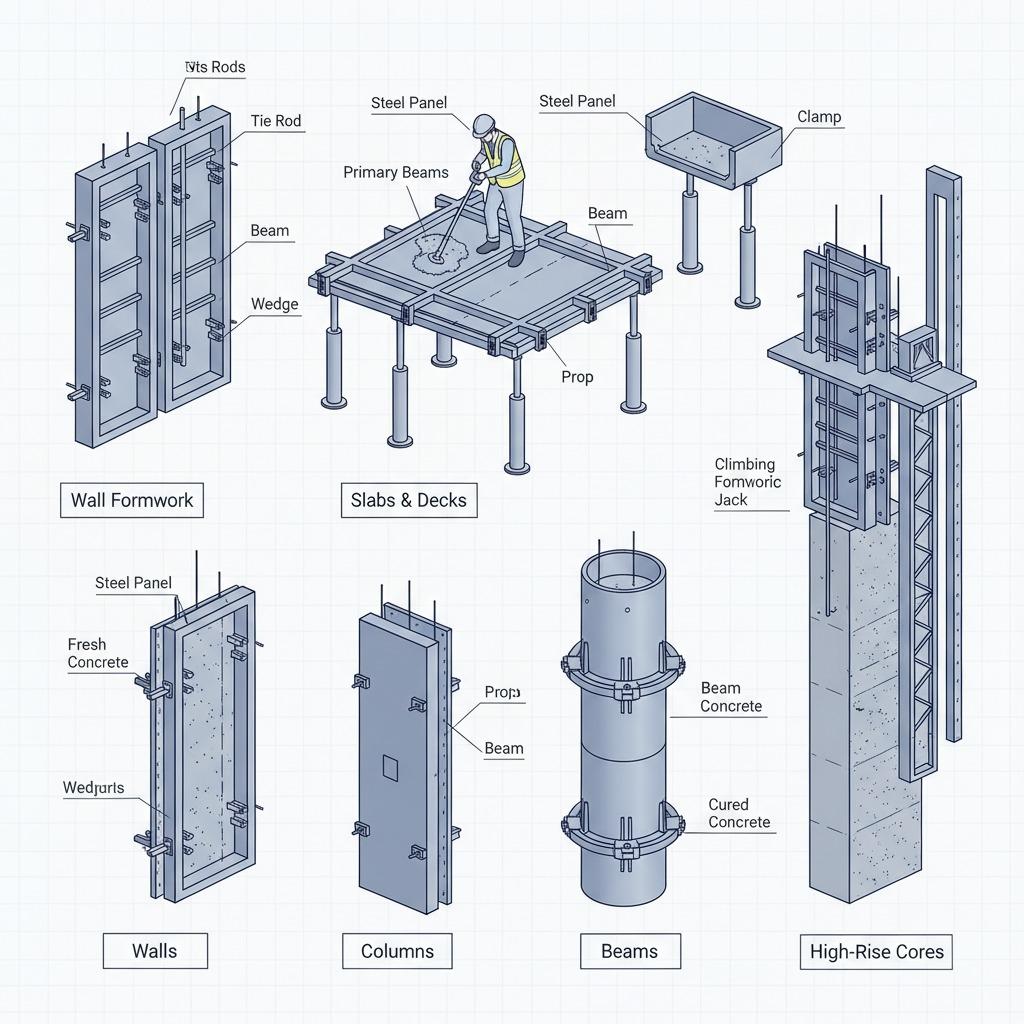
| Ideal Applications | High-rises, bridges, tunnels, residential | Small projects, temporary structures | High-rises, residential | Large industrial projects, heavy civil engineering |
CIRIA Concrete Formwork lifecycle cost analysis
TABLE’s End-to-End Concrete Formwork Solutions
What truly differentiates TABLE from other concrete formwork providers is our unwavering commitment to EEAT (Experience, Expertise, Authoritativeness, Trustworthiness)—core principles that guide every aspect of our service. With a global footprint (USA, China, Malaysia, UAE) and decades of formwork development experience, we don’t just supply concrete formwork components; we deliver customized, turnkey formwork solutions for every project TABLE Complete Concrete Formwork & Shoring Product Categories.
Our full-service offering includes:
- Expert Design: Tailored formwork/scaffolding proposal drawings, material lists, shop drawings, and load capacity analysis—engineered to your project’s unique specifications.
- Manufacturing & Shipment: In-house production of all formwork components (with strict quality testing) and global cargo tracking for on-time delivery. TABLE’s Suzhou factory covers 30,000 m² with an annual capacity of 500,000 sets, ensuring fast and stable supply TABLE Robust Production Capabilities for Concrete Formwork.
- On-Site Support: Professional technical instruction for assembly and disassembly, ensuring smooth on-site execution.
- After-Sales Service: Long-term technical guarantee and maintenance support, with a dedicated demand response team for immediate issue resolution.
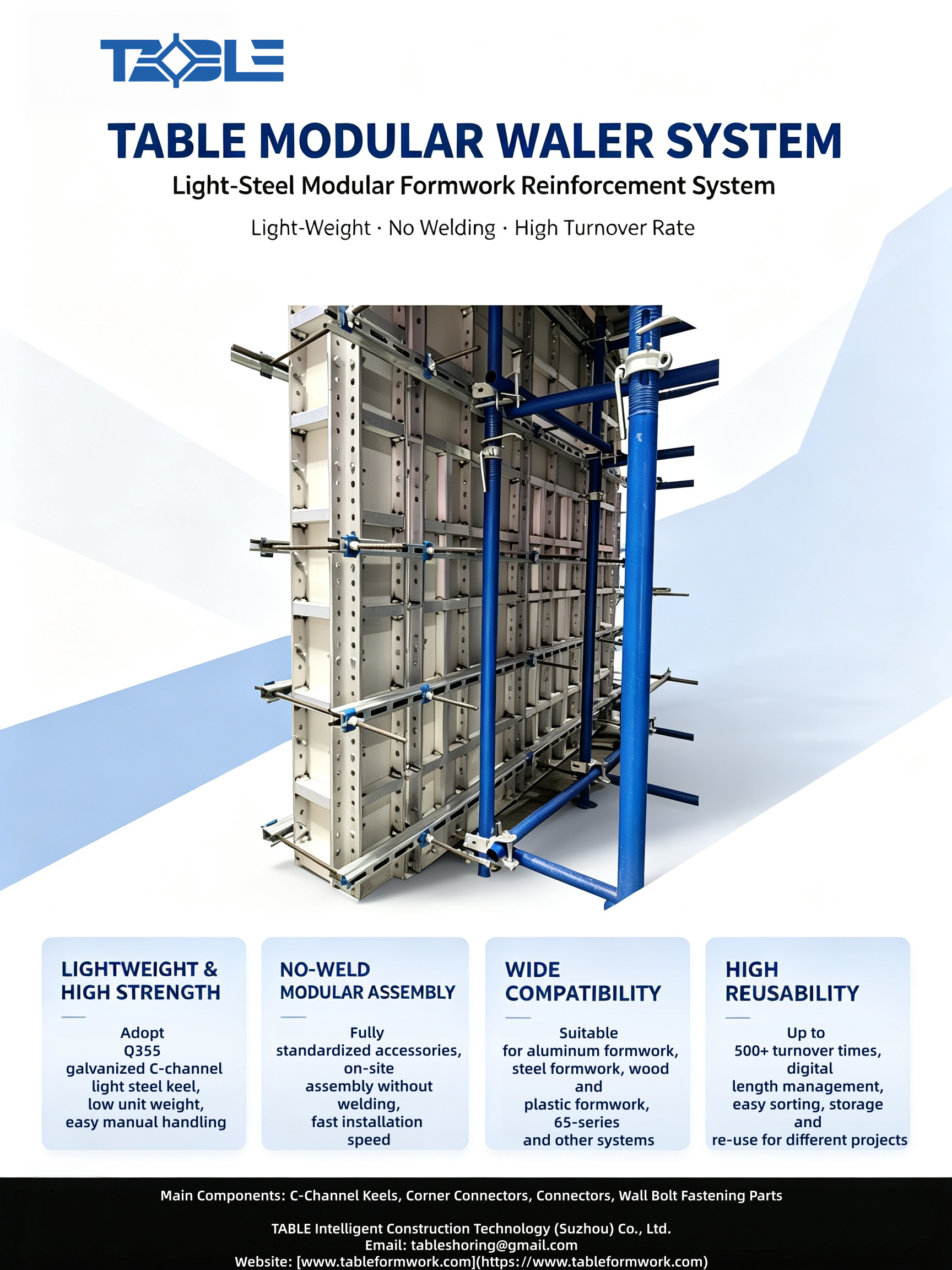
- Patented Innovations: Our proprietary Green Formwork (GF) and light steel keel reinforcement system (patented) replace traditional steel back reinforcement, reducing fastening system weight by 30% while maintaining construction safety—an industry first for concrete formwork design.
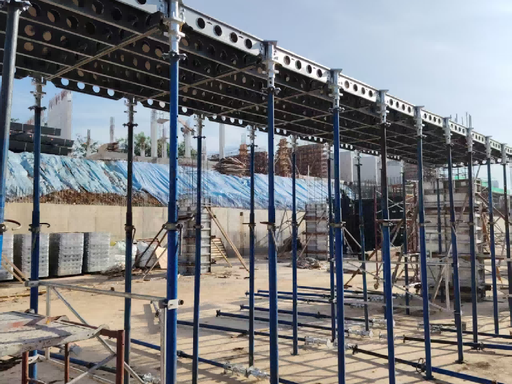
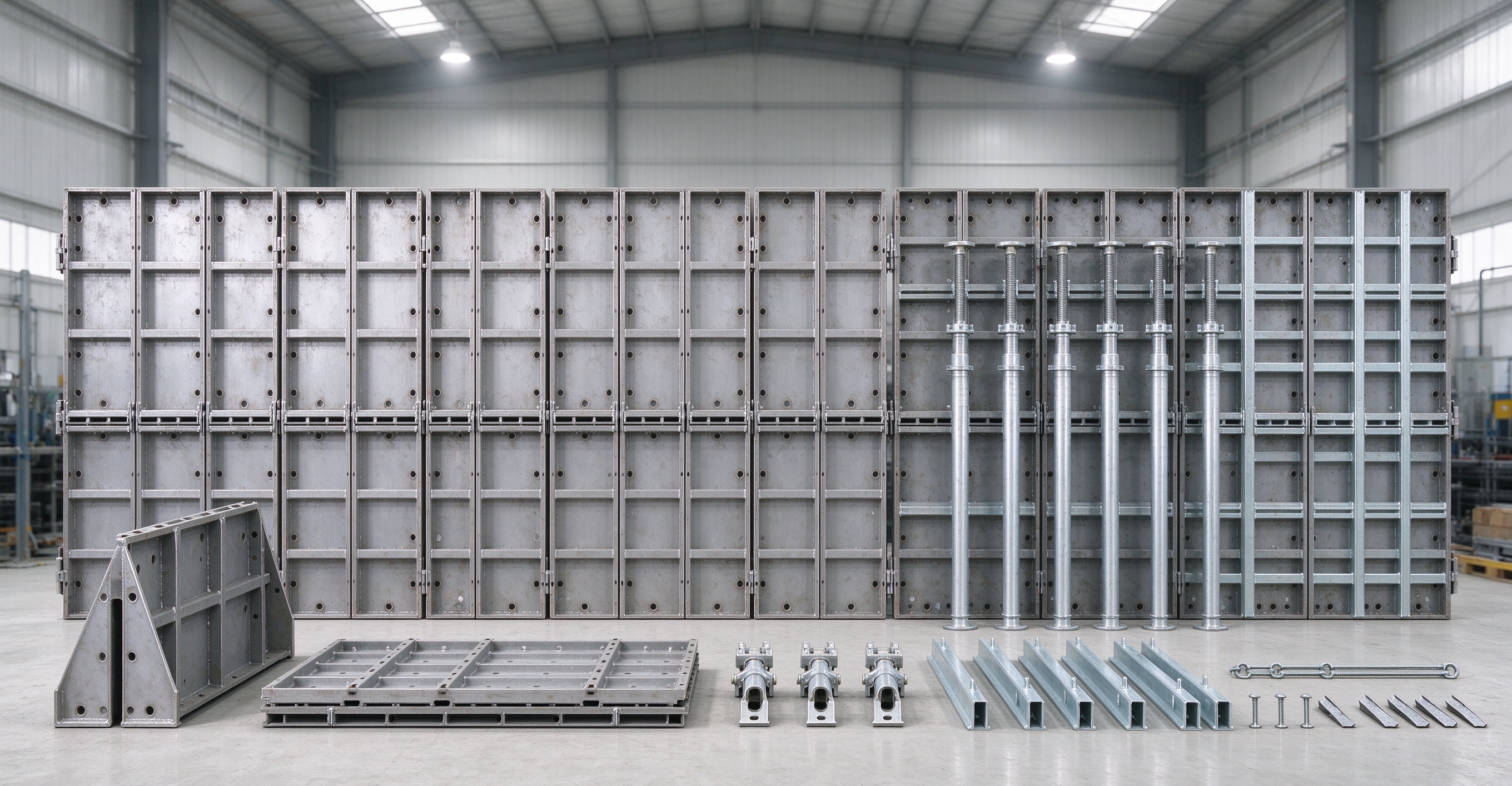
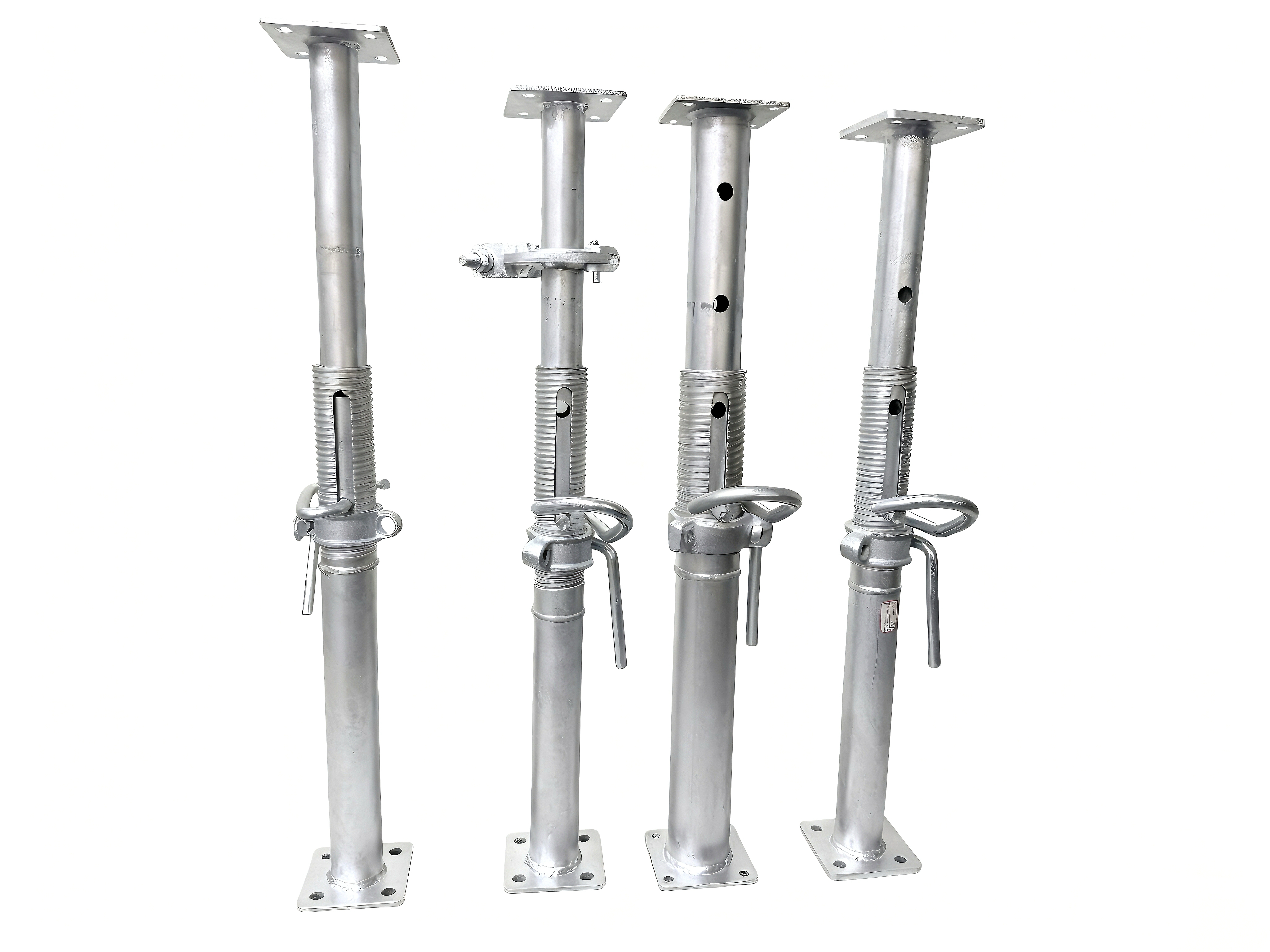
We also offer a complete range of standardized concrete formwork components (wall panels, beam soffits, slab panels, external/internal corner joints) and accessories (Pin & Wedge, steel props, flat-tie systems, panel pullers) —all with precise weight and dimension specifications to ensure compatibility and ease of use. For example, our Flat-Tie Reinforcement System eliminates drilling on formwork panels, delivers a flawless vertical casting finish, and reduces installation accessories by 40%, aligning with the work habits of overseas construction teams TABLE Concrete Formwork Accessories & Reinforcement Systems.
ISO 9001 Quality Standards for Concrete Formwork Manufacturing
Why TABLE Lightweight Steel Concrete Formwork Is the Future
The construction industry is evolving—faster timelines, lower costs, and greener practices are no longer optional; they’re mandatory. TABLE’s lightweight steel concrete formwork addresses all these demands by combining engineered strength (Q700 material), practical design (aluminum interchangeability, no release agent), and economic value (low lifecycle cost). Unlike traditional formwork systems that force trade-offs between weight, strength, and cost, our lightweight steel formwork delivers the best of all worlds—without compromise.
Backed by multiple patents (e.g., Utility Model Patent ZL20242221967.0, Design Patent ZL202430579304.2) and real-world project success across Asia, North America, and the Middle East, TABLE is an authoritative and trustworthy partner for your concrete formwork needs. Our system is not just a product; it’s a construction efficiency solution that transforms how you build—saving time, reducing costs, and delivering superior structural quality on every project TABLE Global Client Testimonials for Concrete Formwork Projects.
Invest in Concrete Formwork That Delivers Long-Term Value
Choosing the right concrete formwork is an investment in your project’s success. Timber formwork may seem cheap upfront, but its high replacement and labor costs eat into profits. Aluminum alloy formwork is fast but lacks durability and comes with a steep initial price tag. Conventional steel formwork is strong but too bulky for most modern projects. TABLE’s lightweight steel formwork solves all these problems, offering a balanced, high-performance solution that aligns with the needs of modern construction.
Whether you’re building a high-rise residential complex, a critical bridge, or a large tunnel project, TABLE’s lightweight steel concrete formwork is engineered to exceed your expectations. With global manufacturing, local support, and a commitment to EEAT, we’re more than a concrete formwork supplier—we’re your partner in building smarter, faster, and greener Contact TABLE for Customized Concrete Formwork Solutions.
Contact TABLE Today to discuss your concrete formwork project and get a customized solution:
- Address: Unit 509, C-7 (Ouri Building), No. 328 Xinghu Street, Suzhou Industrial Park, Jiangsu, China (Pilot Free Trade Zone)
- Tel: +86 512 651999851
- Website: www.tableshoring.com | www.tableformwork.com
Frequently Asked Questions About Concrete Formwork
- High-rises/residential: Lightweight steel or aluminum Concrete Formwork (prioritize speed and reusability)
- Bridges/tunnels: Heavy-duty lightweight steel Concrete Formwork (high load-bearing capacity)
- Small temporary projects: Timber (low upfront cost, but higher lifecycle cost)
- Green construction projects: TABLE’s lightweight steel Concrete Formwork (zero wood waste, recyclable)