Understanding Formwork in Modern Construction
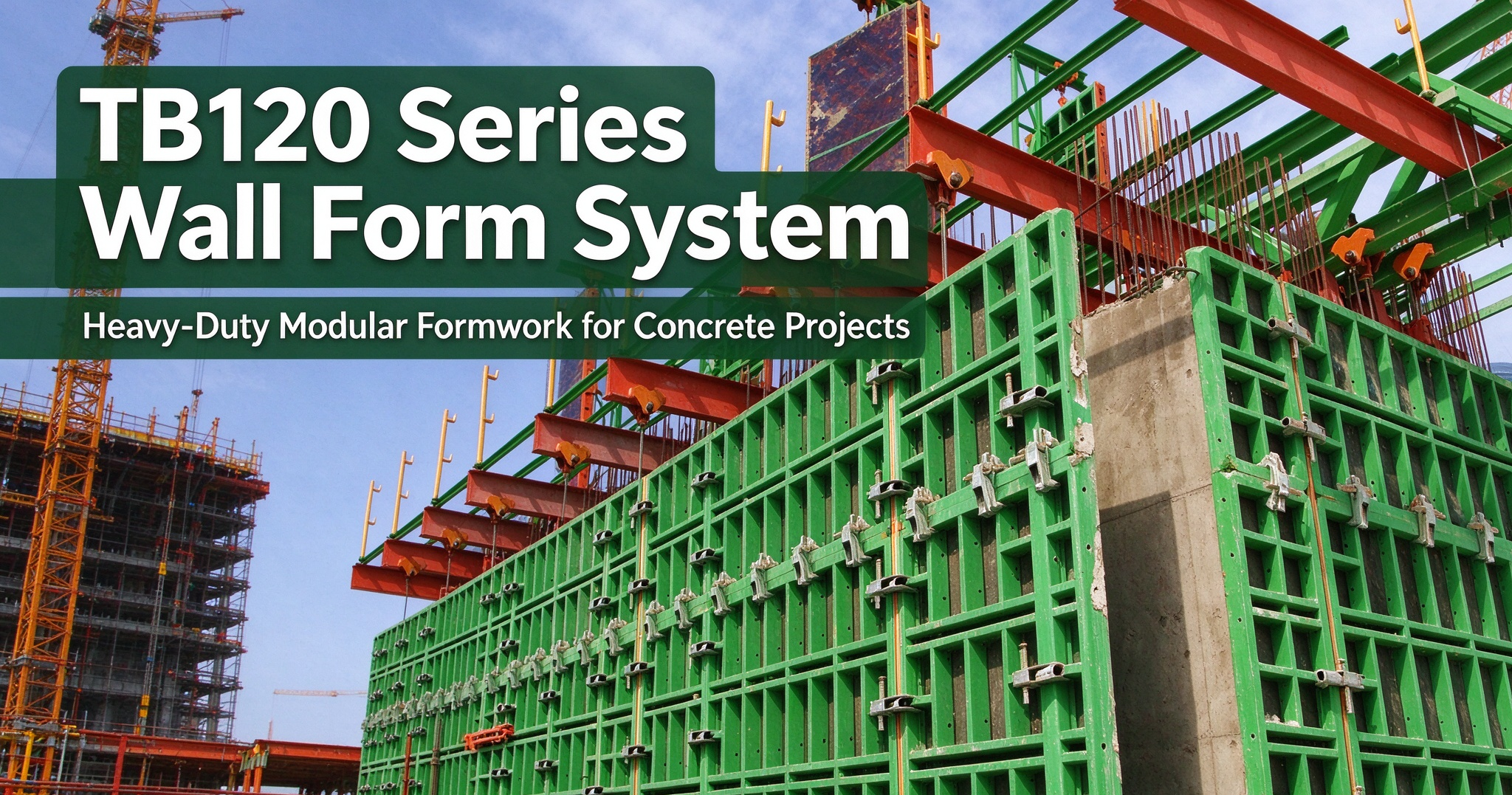
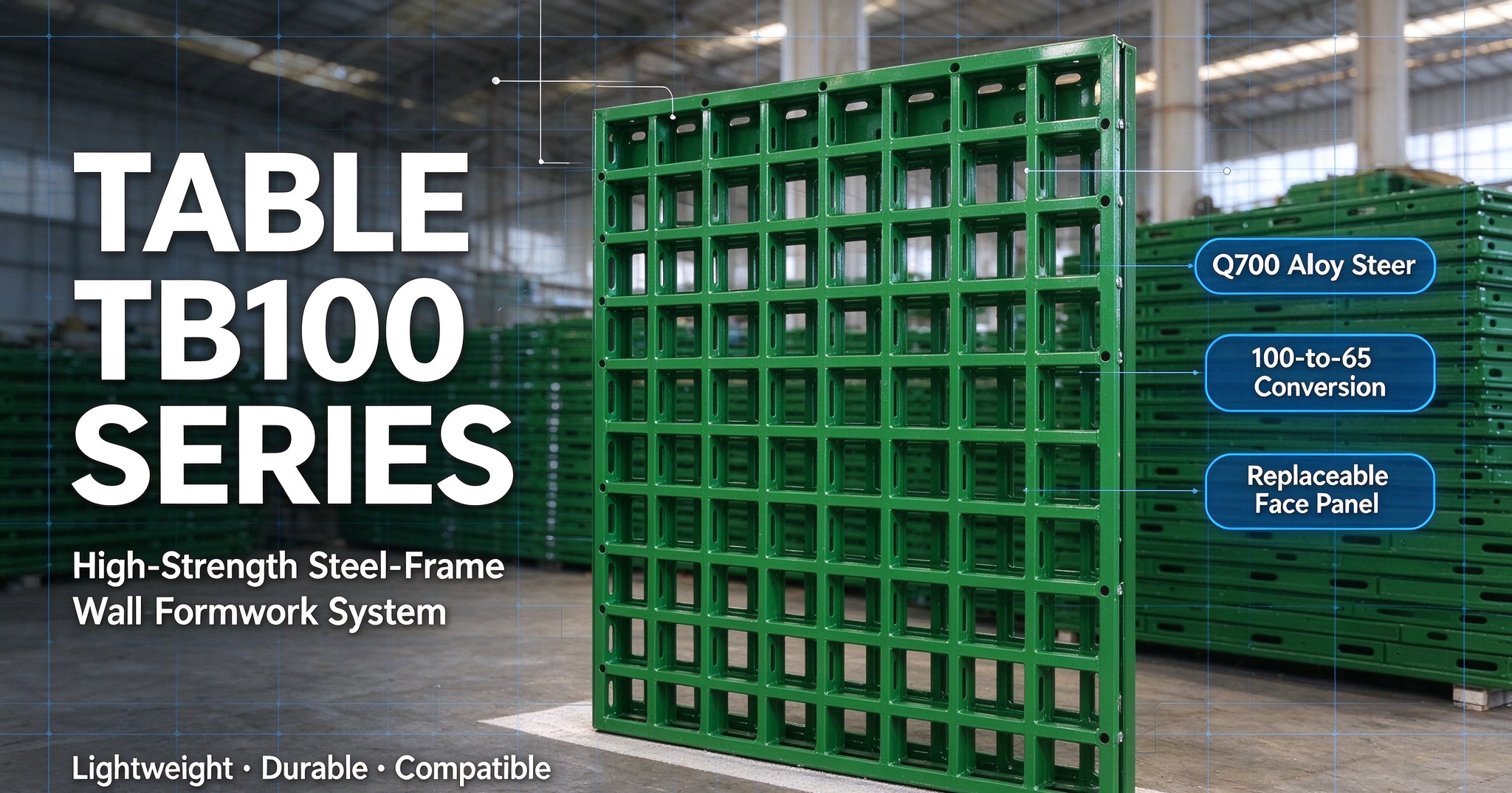
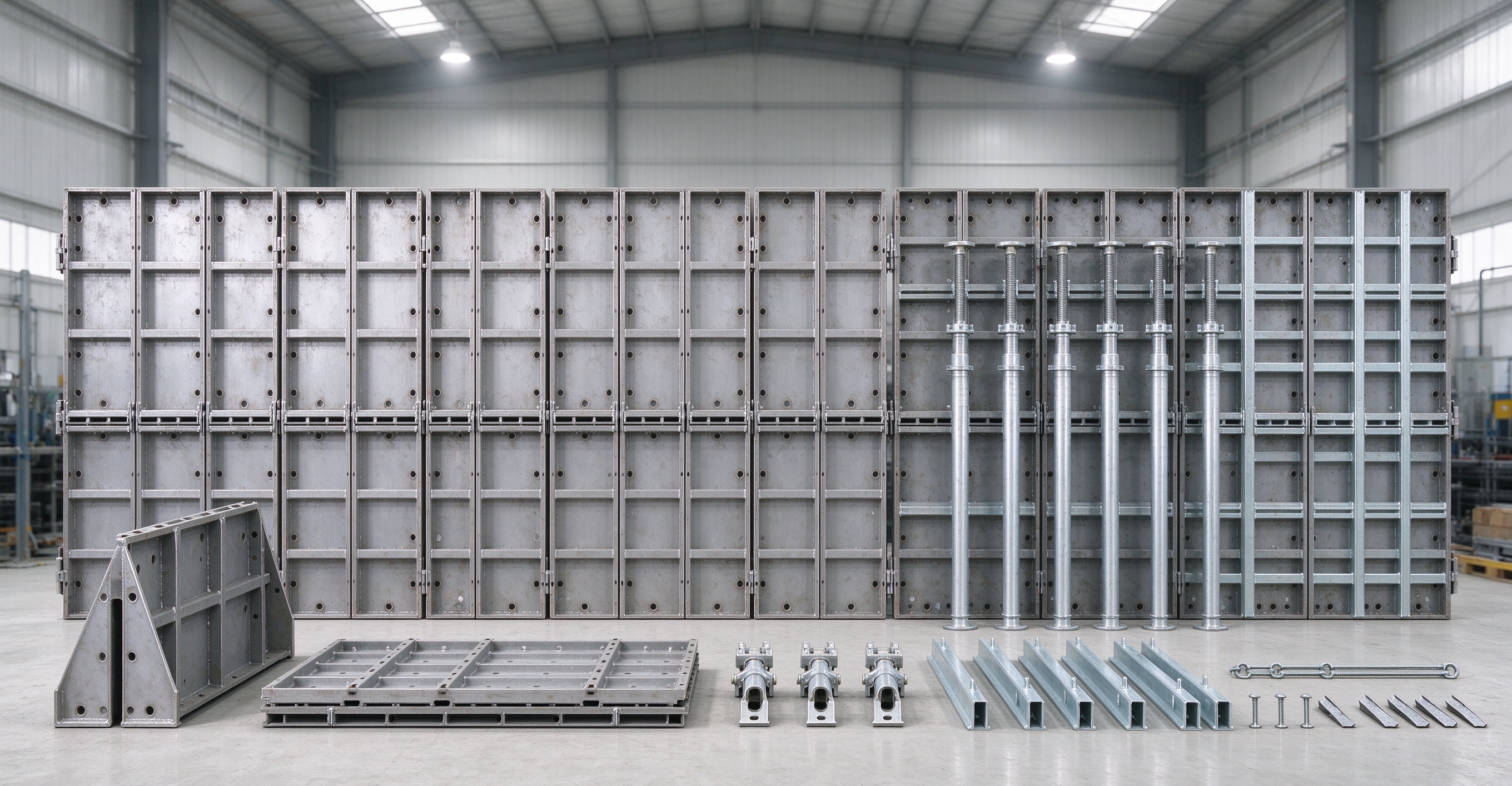
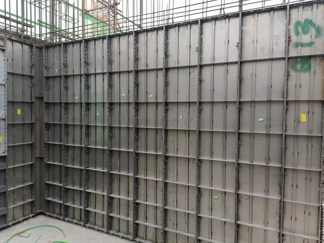
The most core keyword of the article, formwork, plays a pivotal role in the construction industry by providing a temporary mold into which concrete is poured to shape and support structures until they harden. This essential system ensures that buildings, bridges, and other infrastructure achieve the desired form and strength. High-performance steel formwork systems, in particular, have revolutionized how projects are executed, offering durability and precision that traditional methods often lack. By utilizing modular panels made from galvanized steel, these systems resist corrosion and withstand heavy loads, making them suitable for a wide range of applications from residential builds to massive infrastructure developments.
Integrating Scaffold with Formwork for Enhanced Efficiency
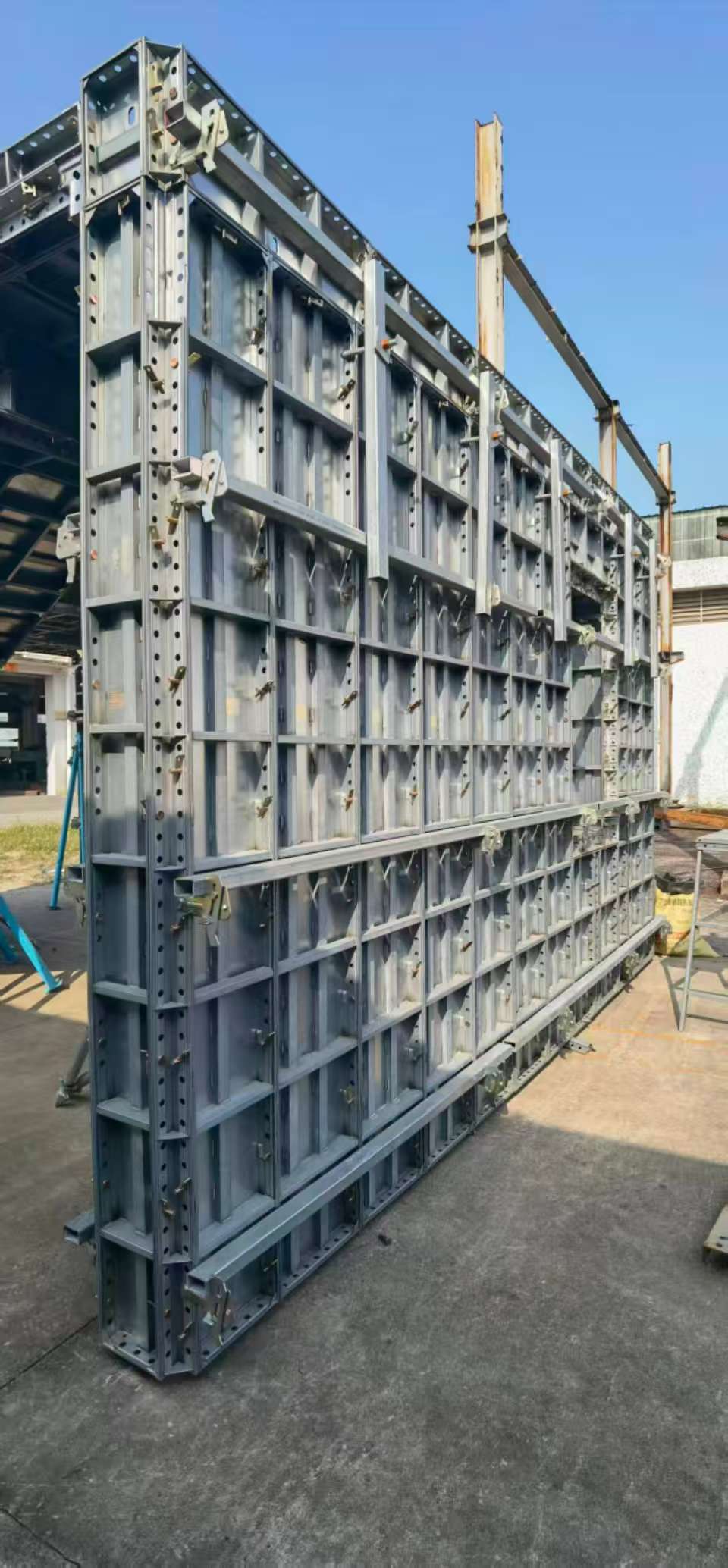
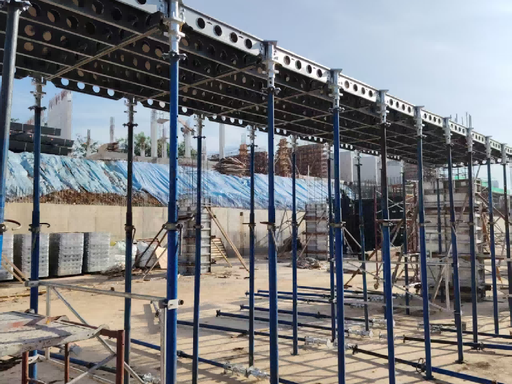
When combined with scaffold, formwork becomes even more versatile, allowing workers to access elevated areas safely while assembling and adjusting the panels. Scaffold provides the necessary support structure, ensuring that formwork is positioned accurately at heights required for multi-story constructions. This integration reduces downtime and enhances overall project safety. For instance, in high-rise buildings, scaffold towers can be erected alongside formwork panels, enabling seamless transitions between phases of concrete pouring and curing. The modular nature of both systems means they can be easily reconfigured, minimizing material waste and labor costs. Statistics from construction industry reports indicate that using integrated formwork and scaffold setups can cut project timelines by up to 30%, highlighting their economic benefits.
Key Features and Benefits of Steel Formwork Systems
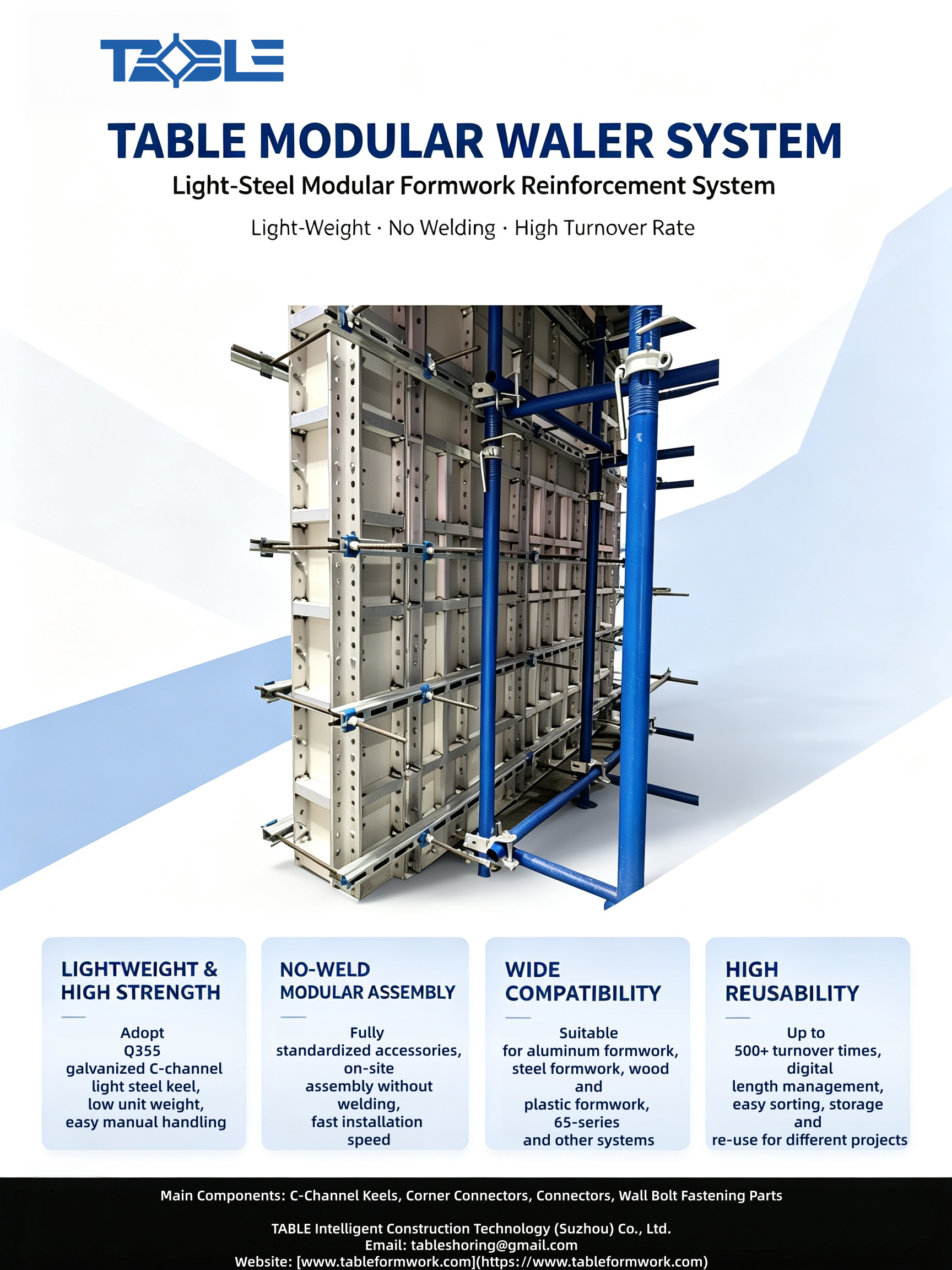
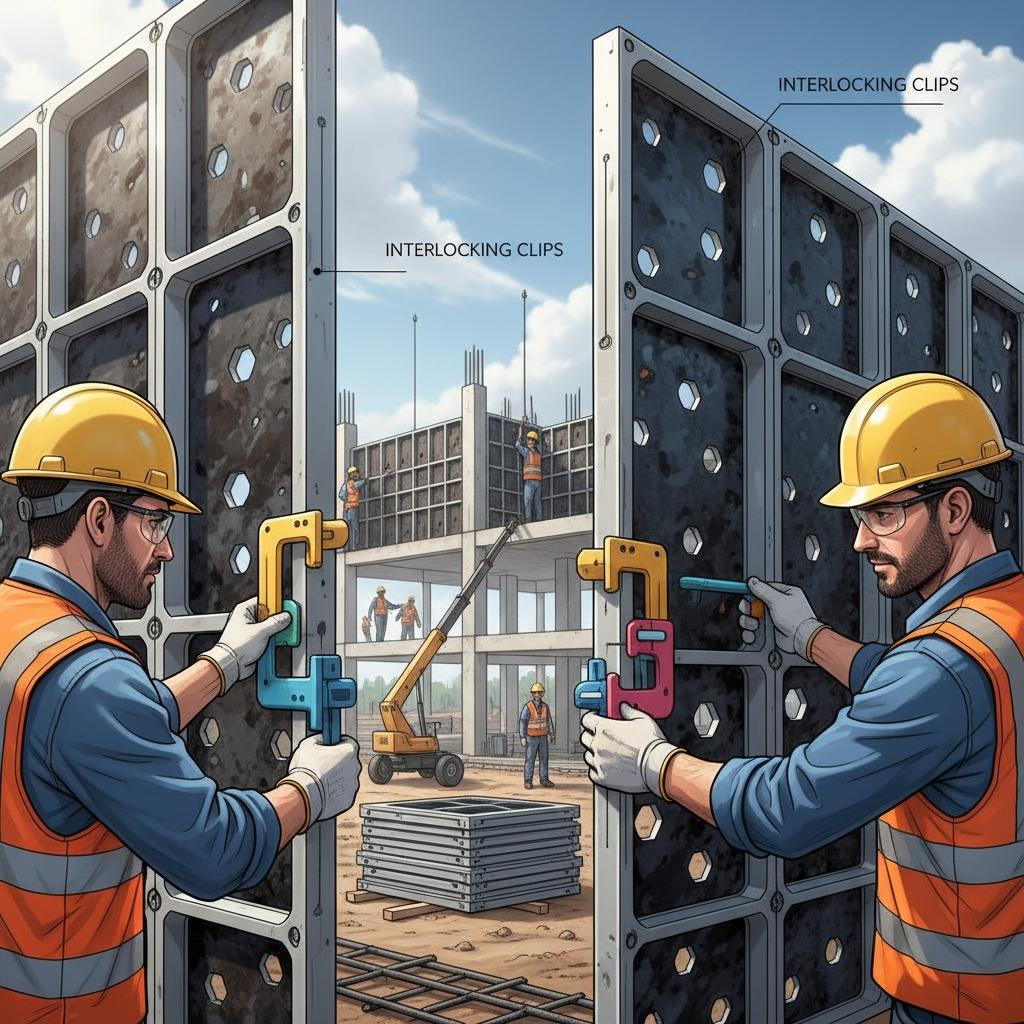
Advanced formwork systems feature robust frameworks with strategically placed holes for easy attachment of clamps and fasteners, facilitating quick assembly and disassembly. Ergonomic designs in these components reduce worker fatigue and improve on-site safety, as they allow for secure locking without excessive physical strain. The precise engineering ensures smooth concrete surfaces, which not only boosts aesthetic appeal but also maintains structural integrity. In terms of durability, galvanized steel construction extends the lifespan of formwork, making it a cost-effective choice for repeated use across multiple projects. For complex geometries in bridges or architectural designs, the adaptability of these systems shines, providing unwavering support during the concrete pouring process.
Applications and Innovations in Formwork Technology
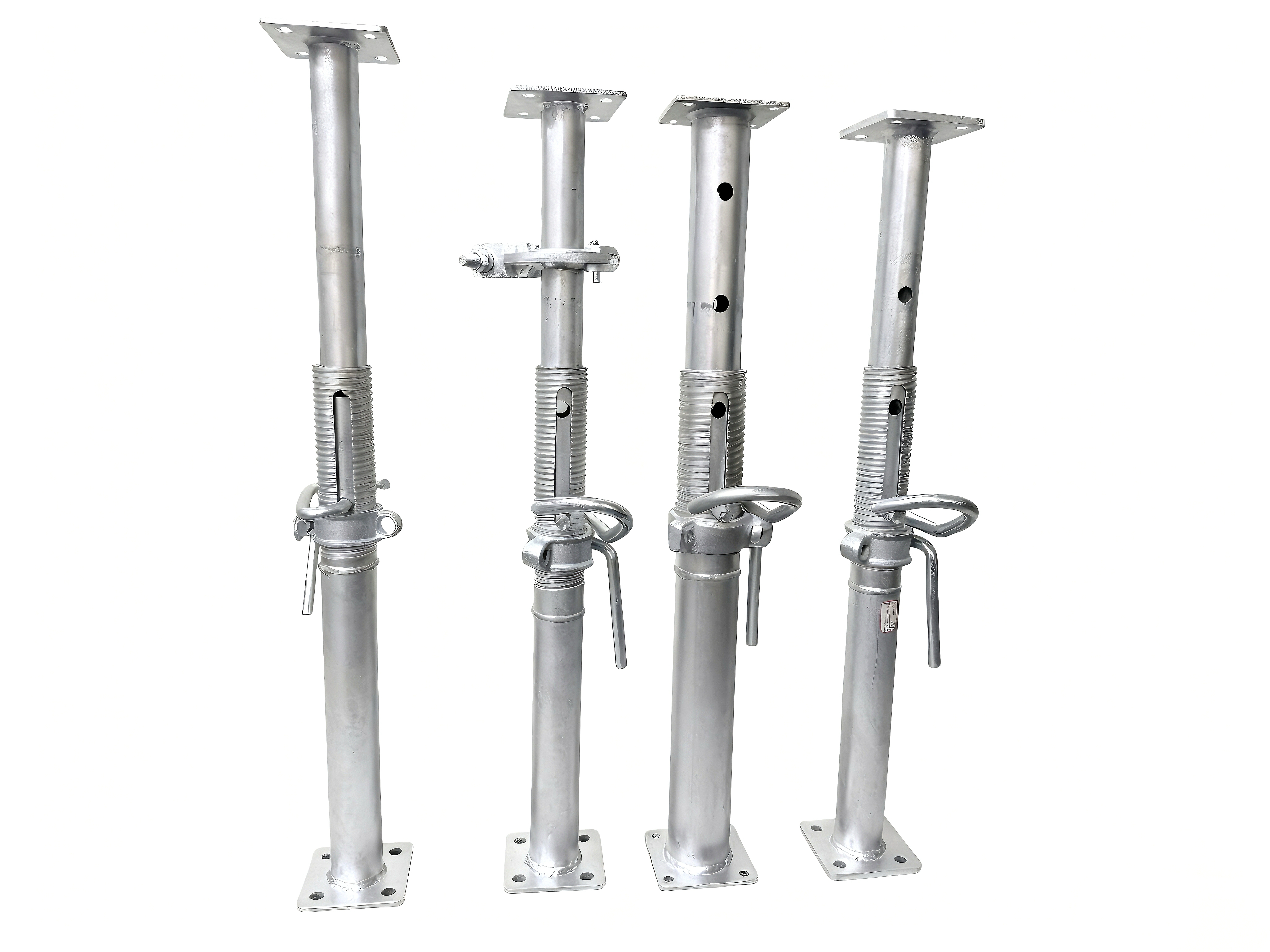
Formwork finds extensive use in large-scale infrastructure like bridges and tunnels, where precision is non-negotiable. Paired with scaffold, it supports intricate designs that demand both height and stability. Innovations such as adjustable props and versatile configurations have further optimized these systems, allowing for customization to fit unique project needs. Industry insights reveal that modern formwork reduces labor requirements by 20-25% compared to older methods, accelerating completion rates while upholding quality standards. As construction methodologies evolve, the synergy between formwork and scaffold continues to drive efficiency, enabling contractors to tackle ambitious projects with confidence. This combination not only streamlines workflows but also contributes to sustainable practices by promoting reusable materials and minimizing environmental impact.