Introduction:Current Challenges Facing Global Concrete Formwork
The global concrete formwork market keeps expanding, driven by booming high‑rise residential buildings, commercial complexes and large‑scale infrastructure projects worldwide. Contractors today are caught between multiple pain‑points: rising material prices, shortage of skilled site labor, pressure for faster floor cycle times, and growing demand for reusable, eco‑friendly shuttering solutions.
Traditional timber plywood formwork offers low upfront cost but suffers limited reuse cycles, heavy on‑site cutting work, material waste and inconsistent concrete finish quality. Aluminum formwork delivers lightweight performance for repetitive high‑rises, yet carries high initial investment cost, and risks permanent deformation under excessive concrete lateral pressure. Popular modular plastic formwork brings easy assembly, however it lacks sufficient rigidity for heavy‑load large‑scale pours. Conventional heavy‑weight steel formwork provides outstanding strength but suffers excessive dead‑weight, raising lifting and labor expenses on‑site.
Construction teams are actively searching for a balanced solution: a modular wall formwork system combining high strength, light unit weight, cross‑system compatibility, long service life, and reasonable total‑of‑ownership cost. That gap is exactly what the TABLE 100‑Series Wall Form System is designed to fill.
What Is TABLE 100‑Series Wall Panel Form System
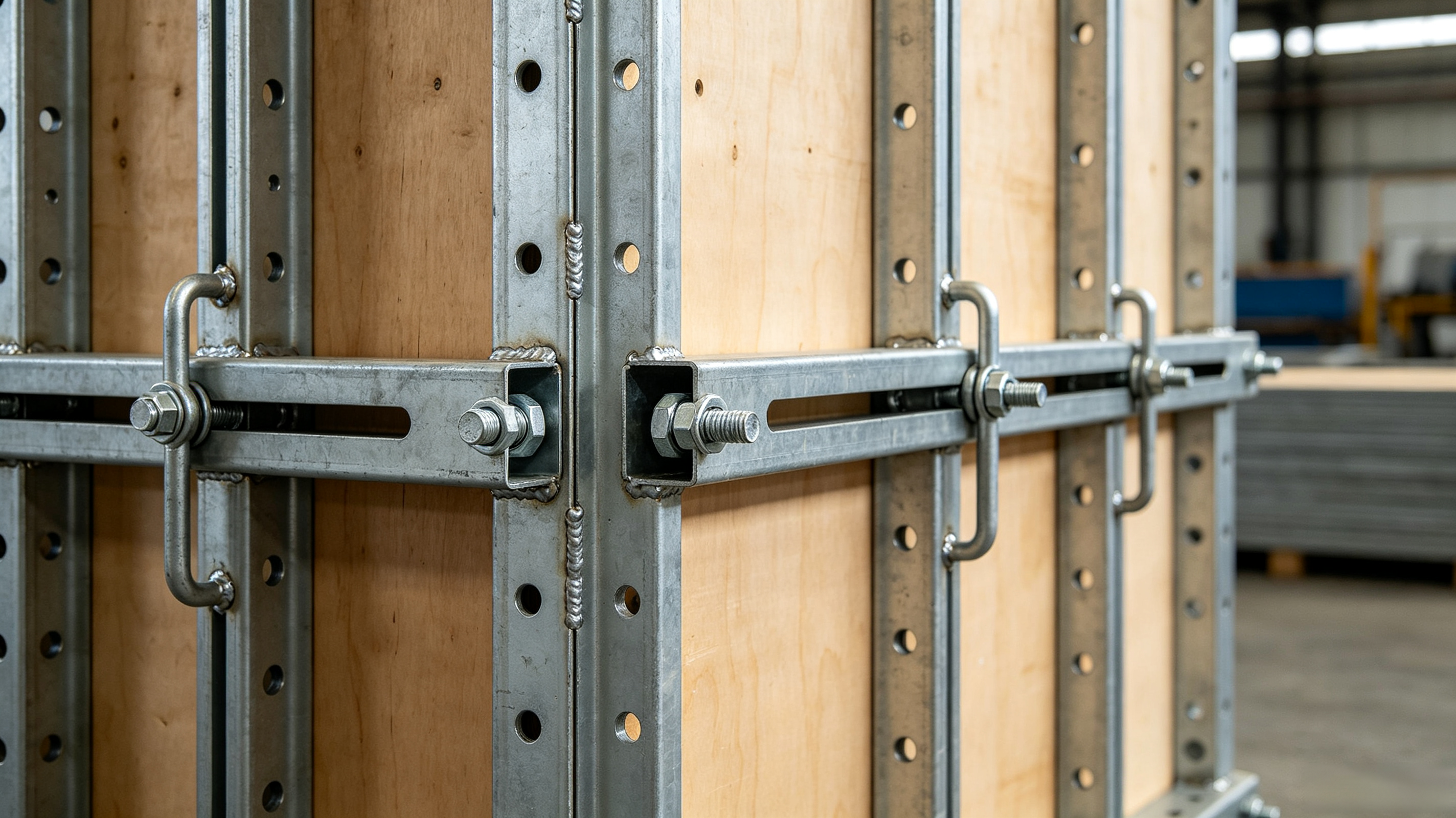
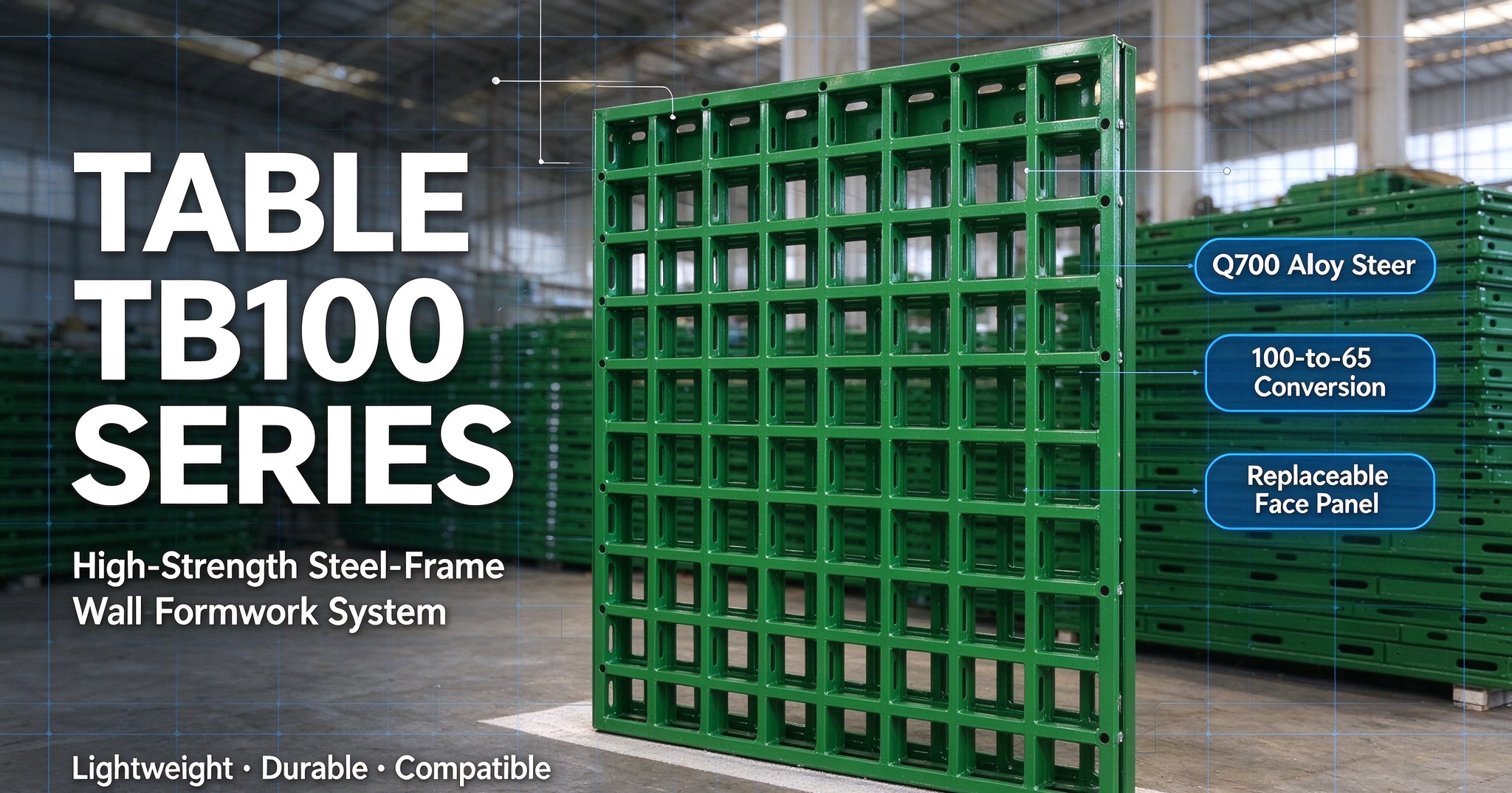
Developed by TABLE Intelligent Construction Technology with over 20‑year industry expertise, the 100‑series wall form is a newly‑developed modular steel‑ply formwork system for walls, columns, and slabs applications.
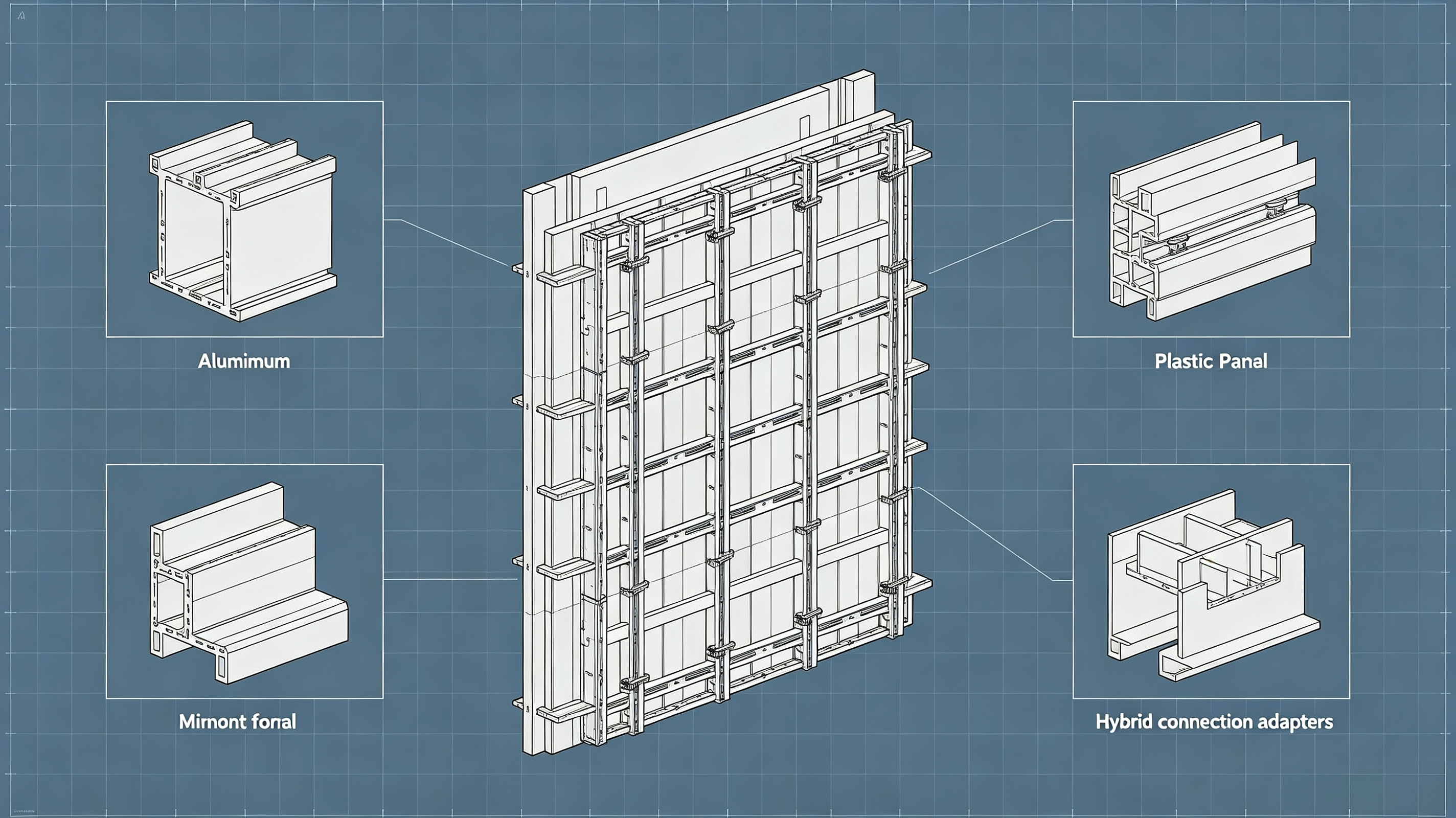
Each panel consists of welded high‑strength steel frames embedded with 10 mm plywood or composite facing board. Built‑in tie holes and integrated walers simplify site setup. One standout innovation is its conversion hardware: panels can transform into 65‑series aluminum/steel panel interfaces via straight‑line or 90‑degree transition adapters, enabling seamless hybrid assembly with existing aluminum formwork sets on‑site.
Key material upgrade: Frame manufactured from **Q700/Q550 high‑strength alloy steel**, processed with full‑frame electrophoresis rust‑proof treatment for extended service cycles.
Core Advantages of TABLE 100‑Series Wall Formwork
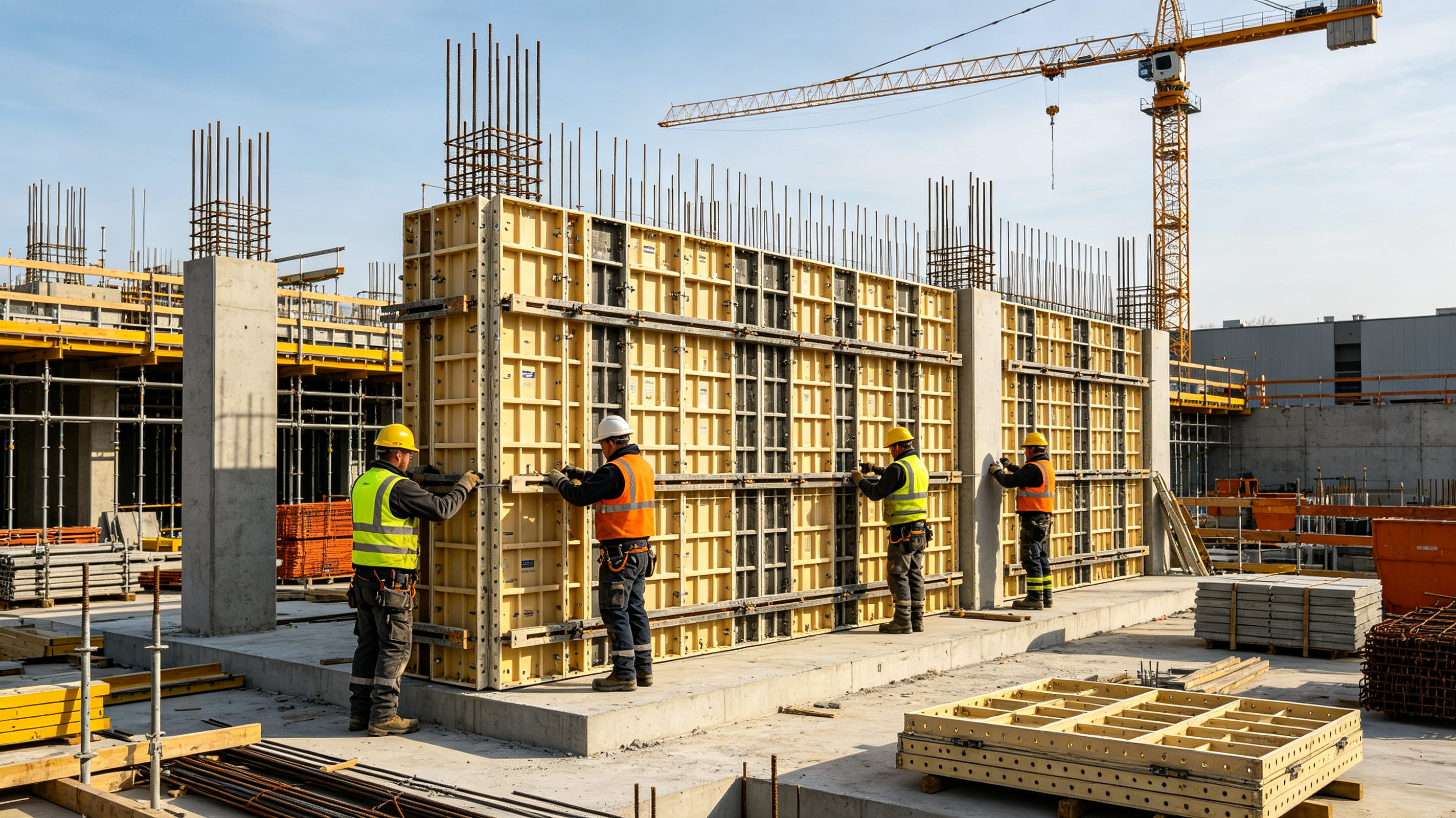
1. High‑Strength, Optimized Light‑Weight Design
Adopting Q700 high‑strength alloy steel, the 100‑series panels achieve strength comparable to heavy‑duty steel shuttering yet reach weight levels competitive with aluminum and plastic panels of equal load‑bearing capacity. Standard panels cover multiple modular dimensions from small filler pieces up to large 1350 mm‑wide wall panels. The reduced panel dead‑weight lowers manual‑handling stress for crews and decreases crane‑dependence on‑site.
2. Cross‑System Compatibility & Hybrid Formwork Capability
This is one of the system’s most valuable competitive edges.
- Standard 100‑series panels can directly convert to work with 65‑series aluminum or steel panels via dedicated transition formwork, supporting both inline and 90‑degree corner conversion connections.
- It can mix‑and‑match with existing mainstream plastic modular formwork available on market, including UO‑type formwork. Contractors can keep using their existing stock of panels and accessories without full‑system replacement, saving huge capital investment.
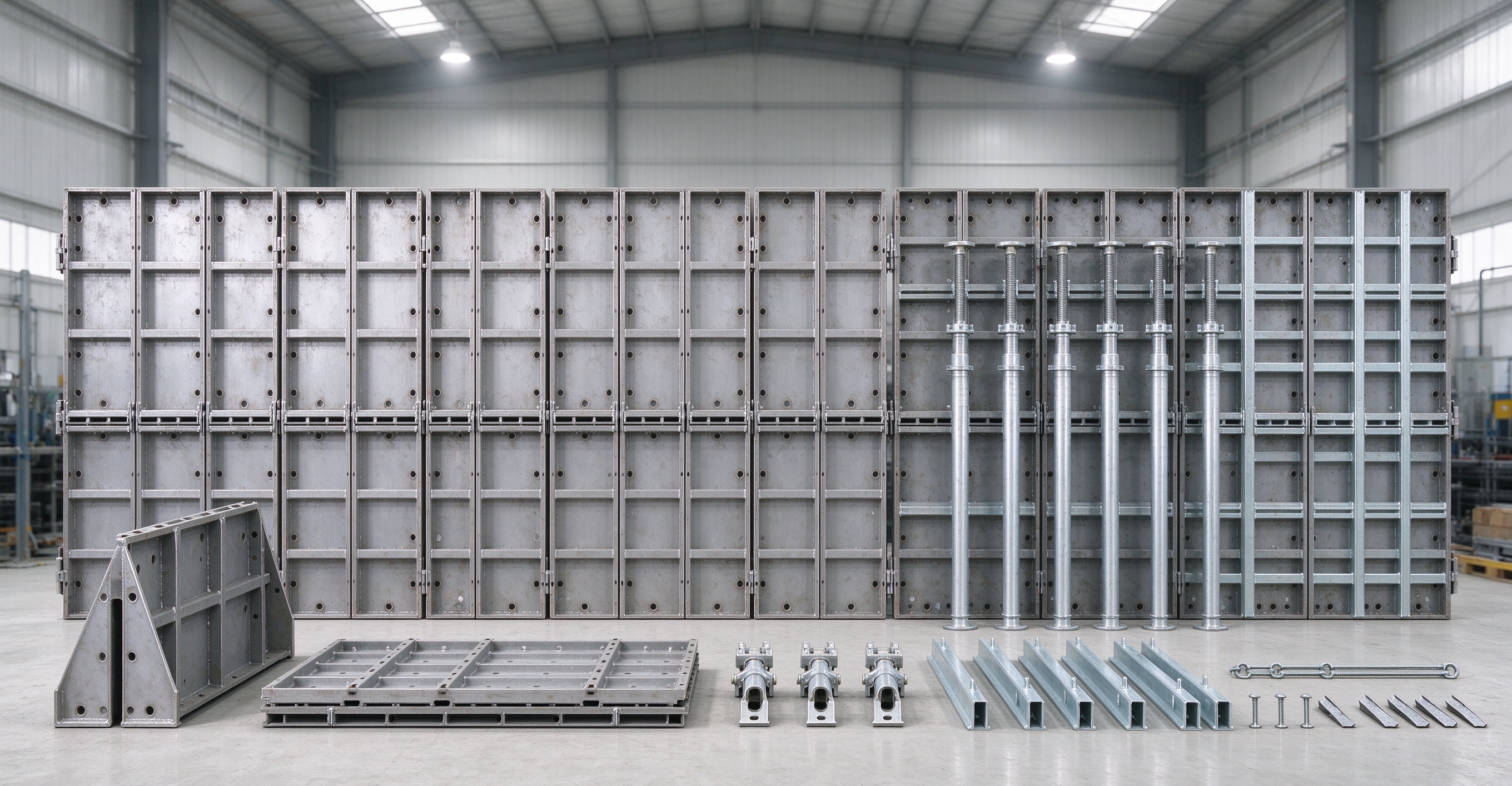
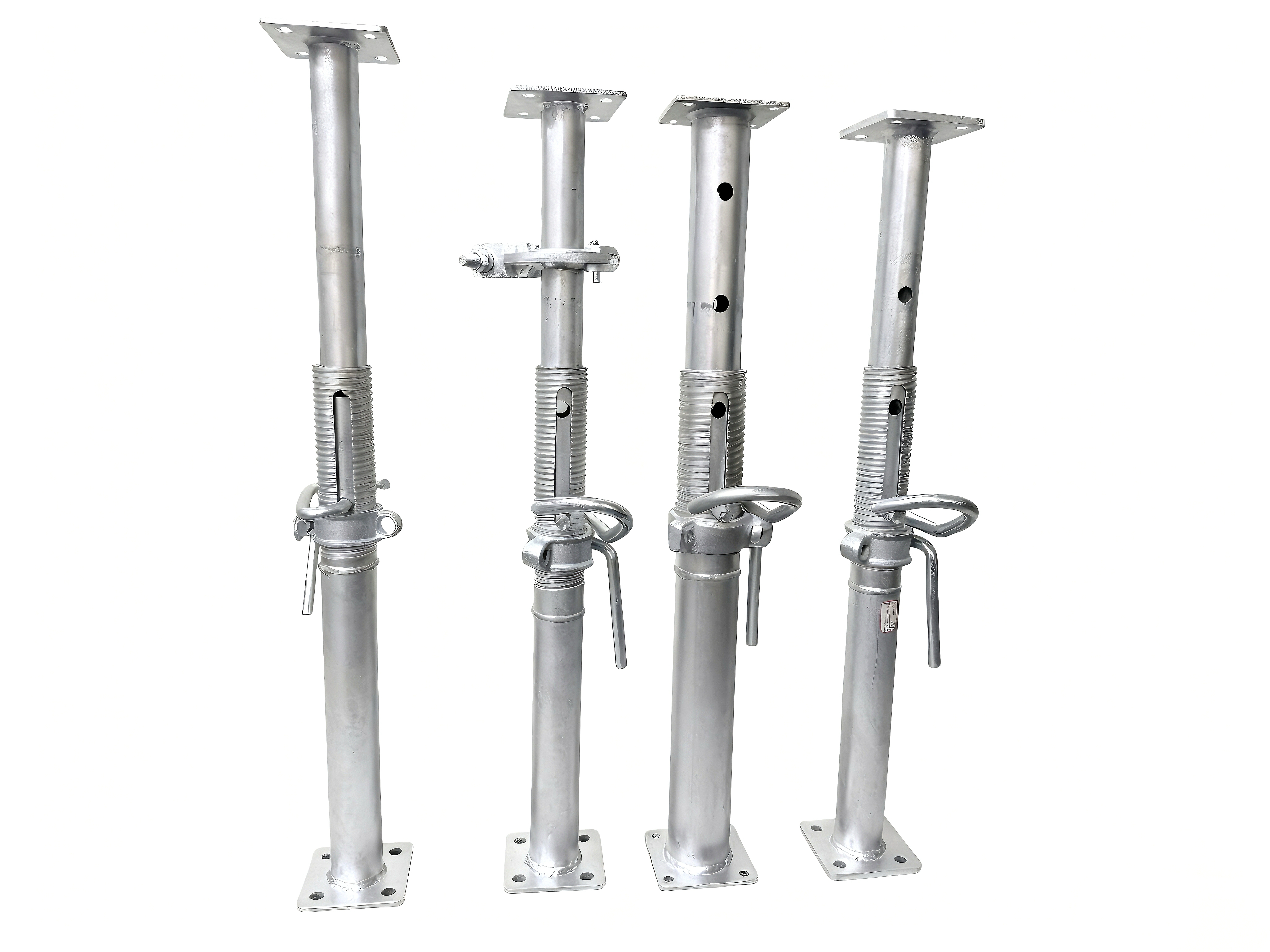
- Full component library includes wall panels, conversion panels (Trans‑Panels), inner‑corner (IC), outer‑corner (OC) units, steel connecting handles, bolts, nuts and waler bolts for complete wall‑column‑slab forming workflows.
3. Robust Anti‑Corrosion Treatment & Long Service Life
Whole‑frame electrophoresis anti‑rust treatment protects the high‑strength steel frame against moisture, concrete chemical residue and site environmental corrosion. Upgraded durable steel accessories minimize wear under repeated assembly‑disassembly cycles, greatly extending total service life versus ordinary painted steel formwork.
4. Proven Modular Sizing for Versatile Jobsite Deployment
The product portfolio covers comprehensive modular dimensions: small filler panels (WP150 series), medium‑size WP600 series, large‑format WP1350 wall panels, together with matched conversion and corner components (T‑P series, T‑IC series, OC / IC corner pieces). Each panel has defined area and unit weight parameters for easy project take‑off, bidding and site logistics planning.
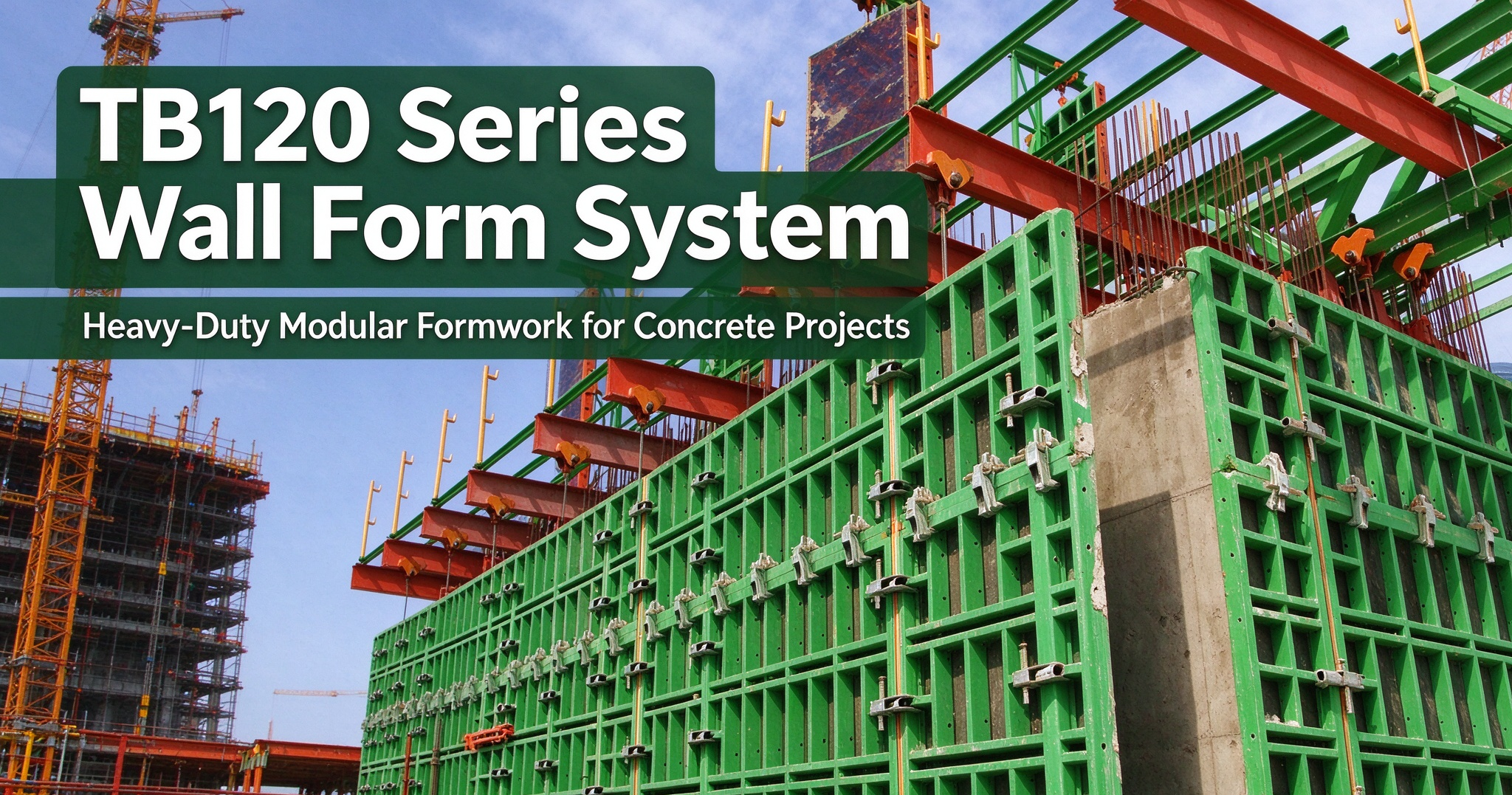
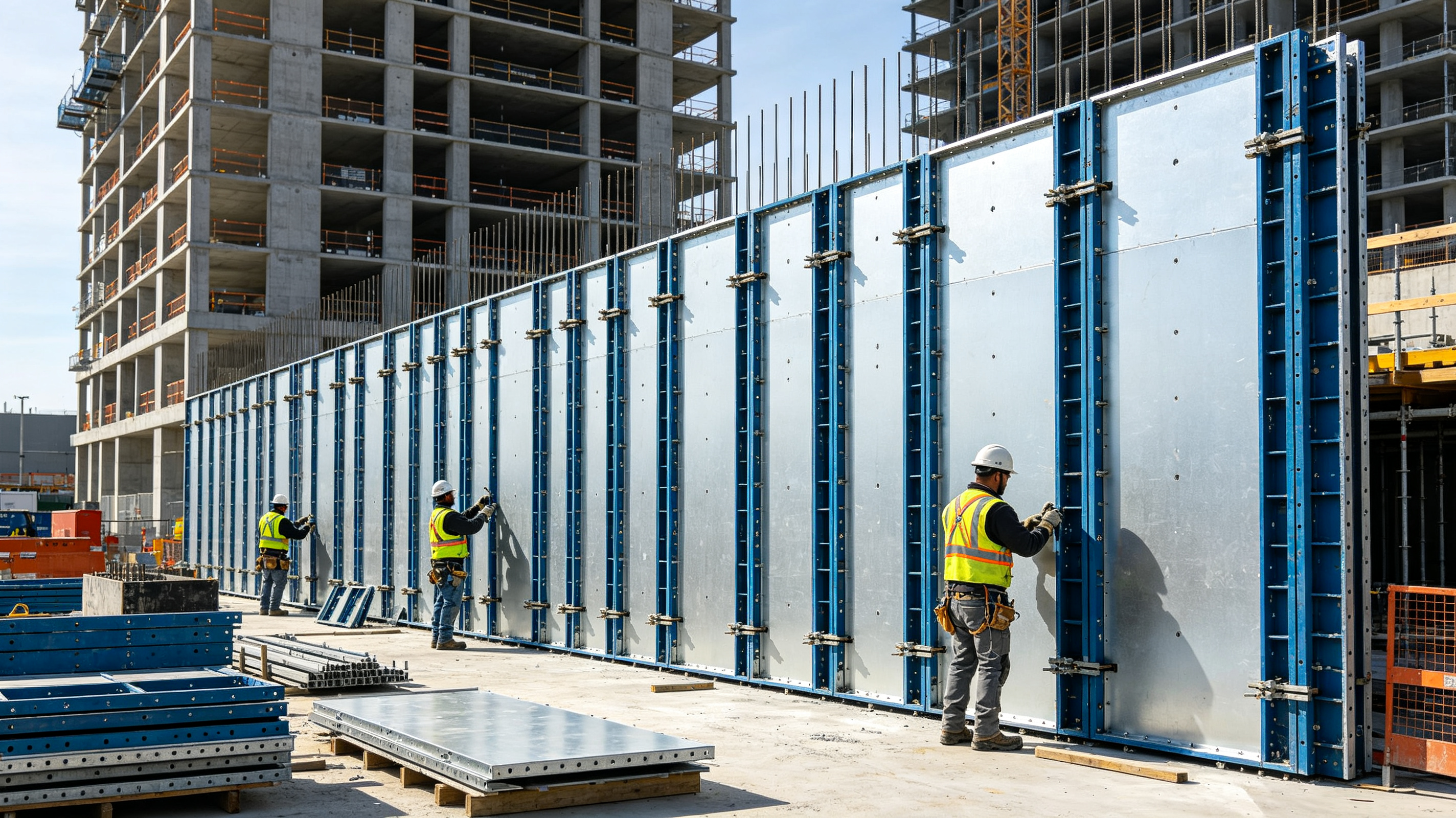
Applications cover vertical structures: concrete walls, shear walls, building columns, plus horizontal slab pouring works. It fits residential towers, commercial buildings, basement structures, and infrastructure projects.
5. Unchanged Operation Logic, Low Learning Curve
While materials and frame design are fully upgraded, formwork specifications and operating methods stay consistent with widely‑used 100‑series wall panel systems. Site foremen and workers already familiar with conventional modular shuttering can adopt the new system without lengthy retraining, reducing project risk of human error during installation.
TABLE 100‑Series vs. Other Main‑Stream Formwork Solutions
| Item | TABLE 100‑Series (Q700 High‑Strength Steel‑Ply) | Aluminum Formwork | Plastic Modular Formwork | Timber Formwork |
| Material | Q700/Q550 alloy steel frame + plywood face | Aluminum alloy frame | Engineering plastic | Timber / plywood |
| Weight | Light‑weight steel, comparable with aluminum | Light | Light | Heavy |
| Rigidity & Anti‑bulging | Excellent high load resistance | Good, risk of permanent deformation over load | Moderate | Poor |
| Anti‑corrosion | Electrophoresis full‑frame treatment | Natural anti‑rust | Good | Prone to rot & moisture damage |
| Cross‑system Compatibility | Hybrid with 65‑series aluminum, compatible with existing plastic formwork | Limited interoperability with steel systems | Limited compatibility | None |
| Reuse Cycles | High | High | Medium | Low |
| Total‑of‑Ownership Cost | Medium‑low lifecycle cost | High initial cost | Medium | High recurring replacement cost |
Real‑World Project Fit: Which Projects Benefit Most
- High‑rise residential & commercial building projects needing mixed steel‑aluminum formwork layout
- Renovation or expansion projects where contractors already own plastic or aluminum formwork inventories
- Basement walls, shear‑wall and column concrete forming
- Mid‑large infrastructure works pursuing long‑term reusable shuttering assets
- Formwork rental companies looking for versatile, durable stock compatible with multiple existing systems
Conclusion: The Future‑Oriented Modular Wall Formwork
Against today’s construction landscape marked by labor shortages, cost pressure and sustainability targets, the TABLE 100‑Series Wall Form System brings forward a practical innovation. By combining Q700 high‑strength lightweight steel frames, anti‑corrosion processing, cross‑system conversion adapters, and backward‑compatible modular sizing, it addresses many long‑standing pain‑points of traditional timber, pure‑aluminum and plastic formwork systems.
Instead of forcing contractors to fully replace existing formwork fleets, it enables hybrid usage and phased upgrade. For project managers, formwork rental operators and construction engineers aiming to balance construction speed, concrete quality, site safety and long‑term asset value, the TABLE 100‑series wall form represents a competitive alternative for modern concrete construction.
FAQ
Q1: Can TABLE 100‑series panels connect directly to my existing aluminum formwork?
A: Yes, via dedicated conversion panels (Trans‑Panels T‑P series). Both straight inline and 90‑degree corner transitions are supported.
Q2: What face sheet options are available?
A: Standard 10 mm plywood or composite board embedded into the welded steel frame.
Q3: Can I use my existing plastic formwork accessories with this system?
A: Yes. The system keeps compatible dimensions so many existing plastic‑formwork accessories can continue in use, alongside upgraded durable steel hardware.
Q4: What structures can this formwork system build?
A: Concrete walls, shear walls, building columns and slab concrete pouring for residential, commercial and infrastructure projects.
Published by TABLE Intelligent Construction Technology (Suzhou) Co., Ltd.
Website: [www.tableformwork.com]
If you need, I can shorten this blog into a 400‑word short‑version, or re‑write it for product landing‑page copy.