Preface
For decades, construction sites have relied on two mainstream traditional formwork solutions: wooden plywood formwork and heavy conventional steel formwork, with aluminum formwork adopted in partial mid-to-high-end projects. However, all these conventional systems suffer persistent drawbacks in cost, construction efficiency and environmental compliance.
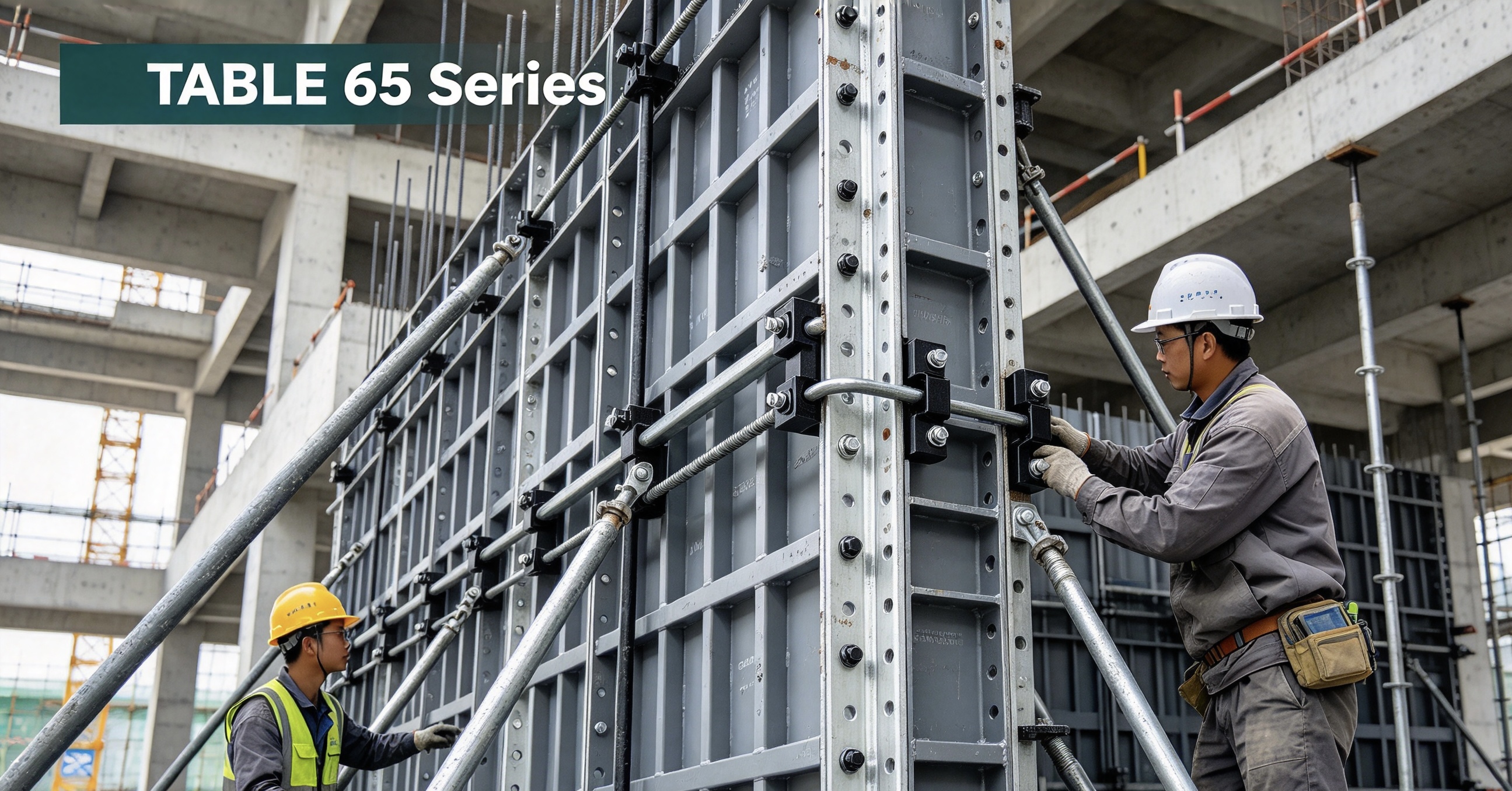
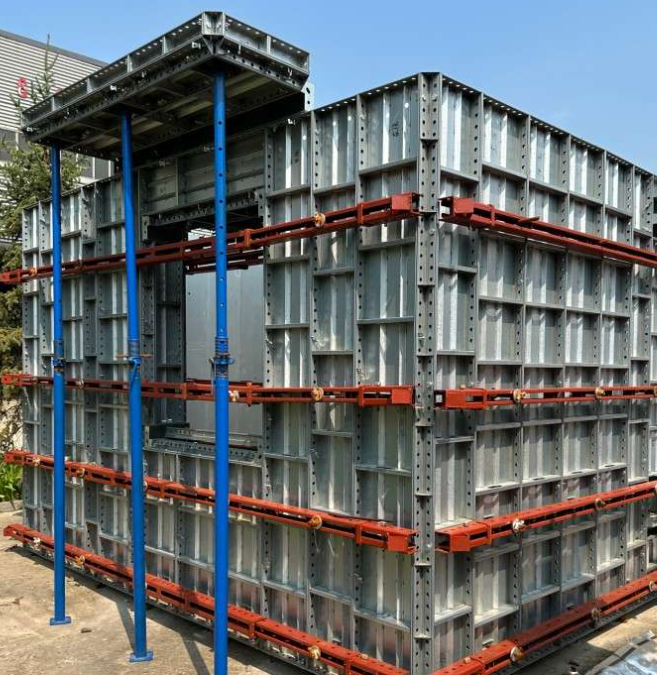
The brand-new TABLE 65 Series Modular High-Strength Light Steel Formwork System (TB65) delivers integrated lightweight, high-reuse, fully compatible and early-stripping design. It addresses all long-standing pain points of traditional formwork and becomes the dominant shoring solution for prefabricated and low-carbon green construction.
I. Core Pain Points of Conventional Formwork Systems
1. Traditional Wooden Plywood Formwork
- Poor reusability & uncontrollable comprehensive cost Wood formwork can only be reused 5–8 times. On-site cutting generates massive construction waste, consuming large volumes of timber for 100,000 m² projects. Panels deform and leak slurry easily after moisture exposure, resulting in uneven concrete surfaces that require full secondary plastering, driving up labor and material costs simultaneously.
- Heavy reliance on skilled carpenters Cutting and fixing wooden formwork rely entirely on workers’ experience. Joint alignment and verticality cannot be standardized, making the system inaccessible for new laborers. Accumulated wood scraps create severe fire hazards and messy job sites.
- Conflicts with environmental policies Mass timber consumption violates forest protection policies. Discarded wood panels are barely recyclable, leading to failed green construction assessments on key municipal projects.
2. Heavy Conventional Steel Formwork
1. Excessive weight increases hoisting expenses Traditional steel formwork weighs over 35 kg per square meter and depends entirely on tower cranes for lifting. It cannot be manually assembled on small sites or narrow underground spaces, pushing up machinery rental and transportation costs significantly.
2. Slow assembly & prolonged construction cycles Without standardized modular components, reinforcement work is complicated. A single worker can only finish around 15 m² per day, extending single-floor construction cycles to 6–7 days.
3. Prone to corrosion & low residual value Ordinary steel rusts and deforms rapidly under outdoor exposure with high repair costs. Scrap metal residual value remains very low once damaged.
2. Heavy Conventional Steel Formwork
1. Excessive weight increases hoisting expenses Traditional steel formwork weighs over 35 kg per square meter and depends entirely on tower cranes for lifting. It cannot be manually assembled on small sites or narrow underground spaces, pushing up machinery rental and transportation costs significantly.
2. Slow assembly & prolonged construction cycles Without standardized modular components, reinforcement work is complicated. A single worker can only finish around 15 m² per day, extending single-floor construction cycles to 6–7 days.
3. Prone to corrosion & low residual value Ordinary steel rusts and deforms rapidly under outdoor exposure with high repair costs. Scrap metal residual value remains very low once damaged.
3. Conventional Aluminum Formwork
1. High upfront procurement investment Full aluminum formwork packages carry high initial costs, unaffordable for medium & small general contractors. Customization fees surge by over 40% for non-standard structural designs.
2. Defective concrete finishing Air bubbles easily form on concrete surfaces after casting due to the airtight aluminum panels, accelerating carbonization and weakening wall durability.
3. Closed incompatible system Aluminum formwork cannot be mixed with existing steel shoring. Contractors must fully replace all old formwork assets, incurring massive renovation expenditures.
II. All-Round Advantages of TB65 vs Traditional Formwork
Based on official TB65 component specifications and on-site test data, we compare performance across weight, efficiency, reusability, cost, environmental protection, compatibility and concrete finishing quality:
1. Ultra-Light Design: Manual Assembly Without Tower Cranes
Conventional steel formwork: 35–45 kg/㎡ | Aluminum formwork: 25–30 kg/㎡ TB65 standard wall panels weigh under 22 kg/㎡, with the narrowest 50mm-width panel only 6.18 kg. Single workers can carry and install panels freely, drastically cutting tower crane occupancy time and suiting compact basements and small construction plots.
2. Standardized Modular Design Cuts Construction Time by 50%
- Complete size series: 600/500/400/300mm standard wall panels, matched with external/internal corners, K panels, beam soffits, dropheads and full accessory kits for walls, columns, slabs, beams, staircases and special structural nodes.
- Fast pin & wedge connection without nails or complex bracing. Experienced laborers can assemble over 50 m² per working day.
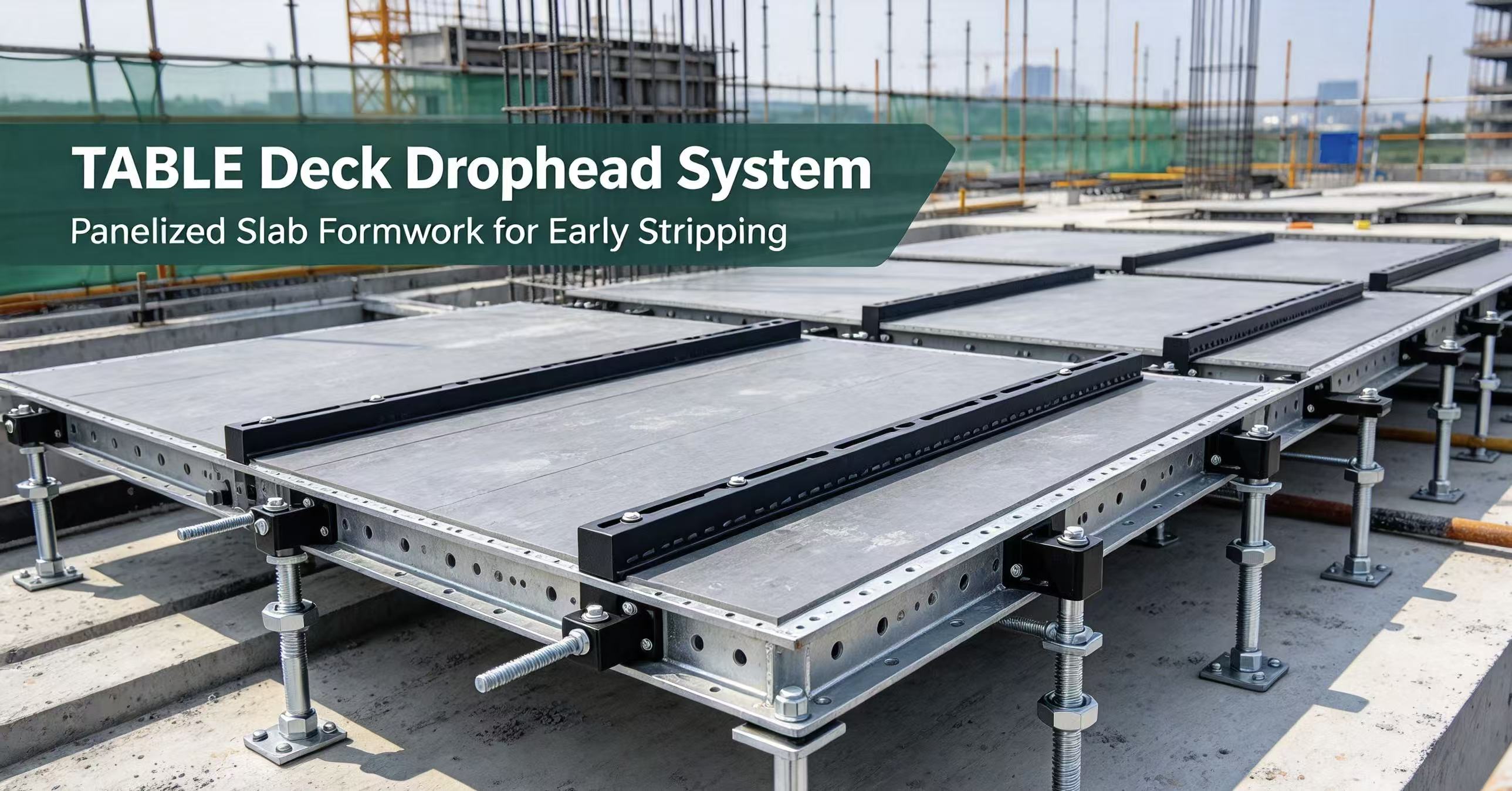
- Exclusive early stripping system: 1 set of formwork matched with 3 sets of steel props. Each construction segment only takes 4–6 days to finish, accelerating project cash flow.
3. Over 300 Cycles of Reuse, Superior Full-Lifecycle Economy
Wood formwork: 5–8 cycles | Traditional steel formwork: 50–80 cycles | Aluminum formwork: 120–150 cycles TB65 adopts alkali-resistant high-tensile steel with outstanding anti-corrosion and anti-deformation performance. Standardized operation enables over 300 repeated uses with ultra-low amortized cost per cycle. All metal components are 100% recyclable with far higher scrap residual value than wood and ordinary steel formwork.
4. Fair-Faced Concrete Finish, Zero Secondary Plastering
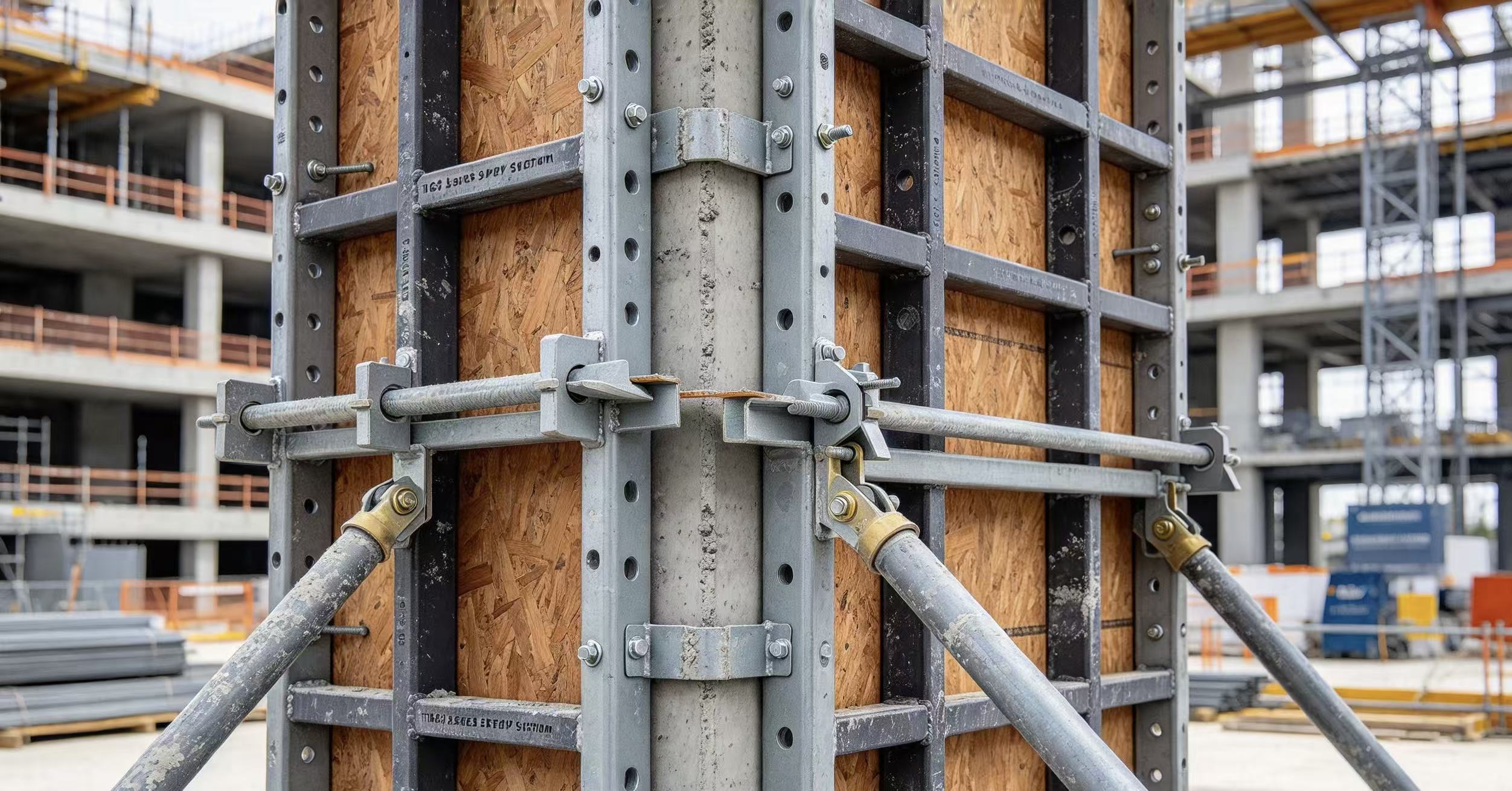
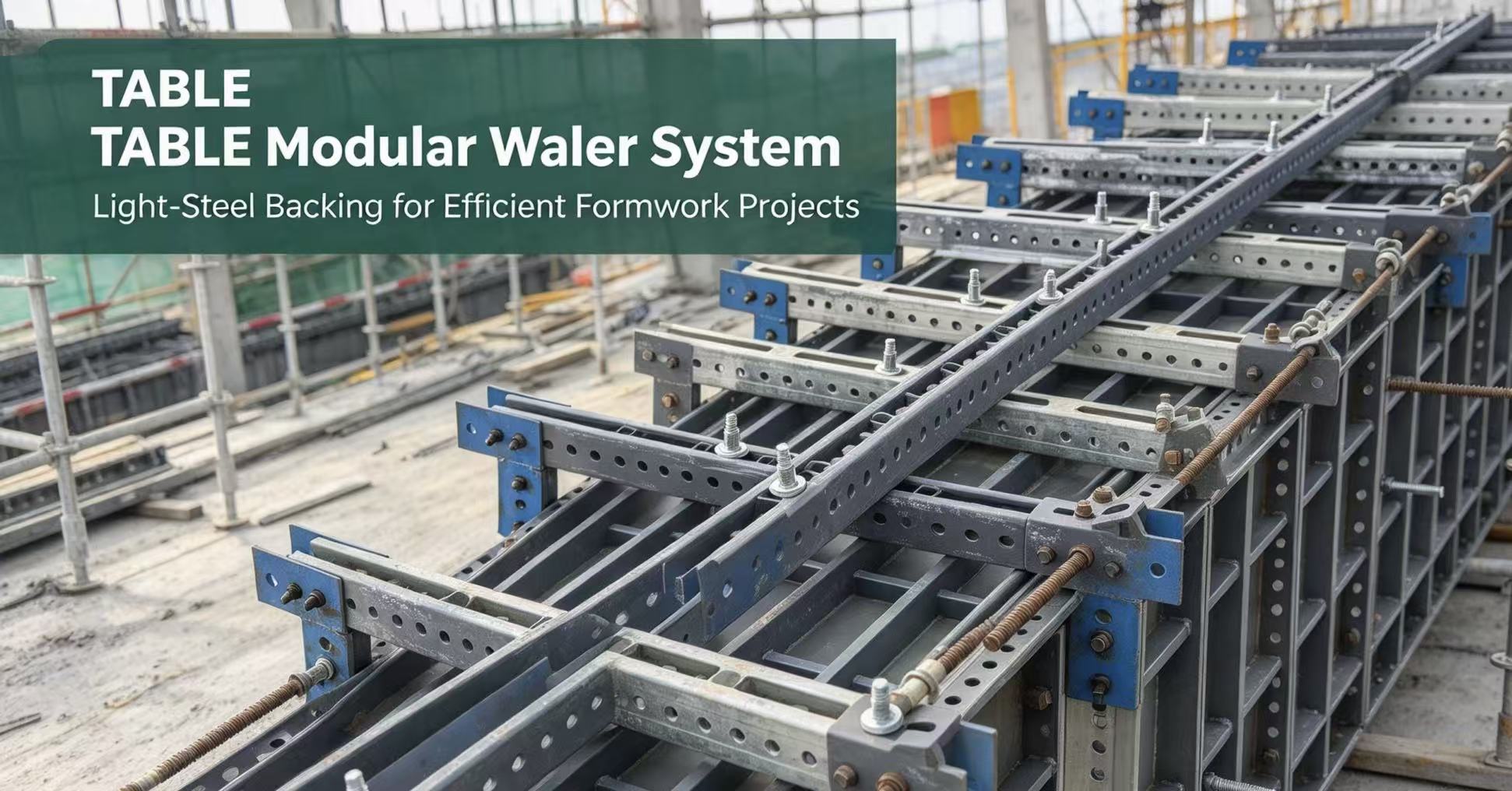
Precision laser welding minimizes panel joints. Cast concrete surfaces meet strict fair-faced concrete standards with perfect flatness and verticality, eliminating all plastering procedures and saving mortar & labor costs. Two mature reinforcement systems (tie rod system & flat tie pull tab system) are available to adapt to various wall thicknesses, effectively preventing slab bulging and slurry leakage.
5. Cross-System Compatibility Reduces Upgrade Investment
The unique selling point of TB65: fully interchangeable and mix-installable with existing aluminum formwork. Contractors do not need to scrap all old aluminum formwork in one go. Phased procurement lowers asset replacement pressure and facilitates incremental upgrading of stock construction sites.
6. Zero Construction Waste, Aligned With Low-Carbon Policies
- Precisely standardized components eliminate on-site cutting, generating almost no construction waste after stripping
- Recyclable steel slashes timber consumption, protecting forest resources for large-scale real estate and infrastructure projects.
- Tidy job sites without stacked wood waste eliminate fire risks and simplify green construction inspection & acceptance.
III. Future Development Trend of Construction Formwork Industry
1. Lightweight & Modular Standardization Will Become Mandatory Labor costs keep rising globally. Heavy, non-standard traditional formwork relying on hoisting and skilled labor will be phased out. Light modular steel formwork like TB65 balances light weight, strength and standardization to match the industry’s labor-saving demand.
2. Cross-System Compatibility Becomes Core Competitive Edge Construction enterprises hold large inventories of aluminum and steel formwork. Closed single-material systems will lose market share. Multi-material compatible modular formwork will dominate renovation and new projects to lower asset replacement expenditure.
3. High Reusability & Circular Economy Are Policy-Driven Mainstream Governments worldwide enforce carbon neutrality and green building regulations. Disposable wooden formwork with low recycling rates will face stricter usage limits. Metal formwork with 300+ turnover cycles and full recyclability will be the primary choice for government, commercial and residential construction.
4. Integrated Early-Stripping System Shortens Project Delivery Cycles Developers and general contractors pursue faster capital turnover. Formwork systems equipped with proprietary drophead early stripping technology will replace traditional slow-demolition shoring, becoming the standard configuration for high-rise residential, utility tunnel and factory construction.
Conclusion
Traditional wood and heavy steel formwork can no longer meet the dual requirements of cost control, labor shortage solutions and low-carbon construction. The TABLE 65 modular light steel formwork system breaks through the bottlenecks of conventional shoring products. As a cost-effective, efficient and eco-friendly alternative, it will lead the upgrading of the global construction formwork industry in the next decade.