Formwork Dilemmas for Southeast‑Asia Multi‑Storey Construction
Residential apartments, commercial buildings and basement projects keep expanding across Southeast Asia. Formwork determines concrete finishing quality, labour consumption and total asset cost for contractors and formwork‑rental enterprises.
Local teams are frequently confronted with typical pain points: Traditional timber plywood formwork degrades rapidly under hot‑humid tropical climate. It warps, rots and delivers limited reuse cycles, bringing continuous material replacement expense and large‑volume construction waste. Full aluminium formwork brings excellent concrete surface effect yet demands heavy upfront capital outlay, which creates pressure for small‑to‑medium rental inventories. Some heavy steel formwork solutions rely heavily on tower‑crane lifting, which cannot adapt to suburban sites lacking hoisting equipment. Many existing systems generate excessive on‑site cutting work, raising labour cost and slowing construction progress.
There is strong market demand for lightweight modular steel‑ply formwork: manual‑handling capability, high turnover cycles, complete standard accessories and balanced total‑cost performance for local building projects.
Overview of TB63 Series Steel‑Ply Modular Formwork System
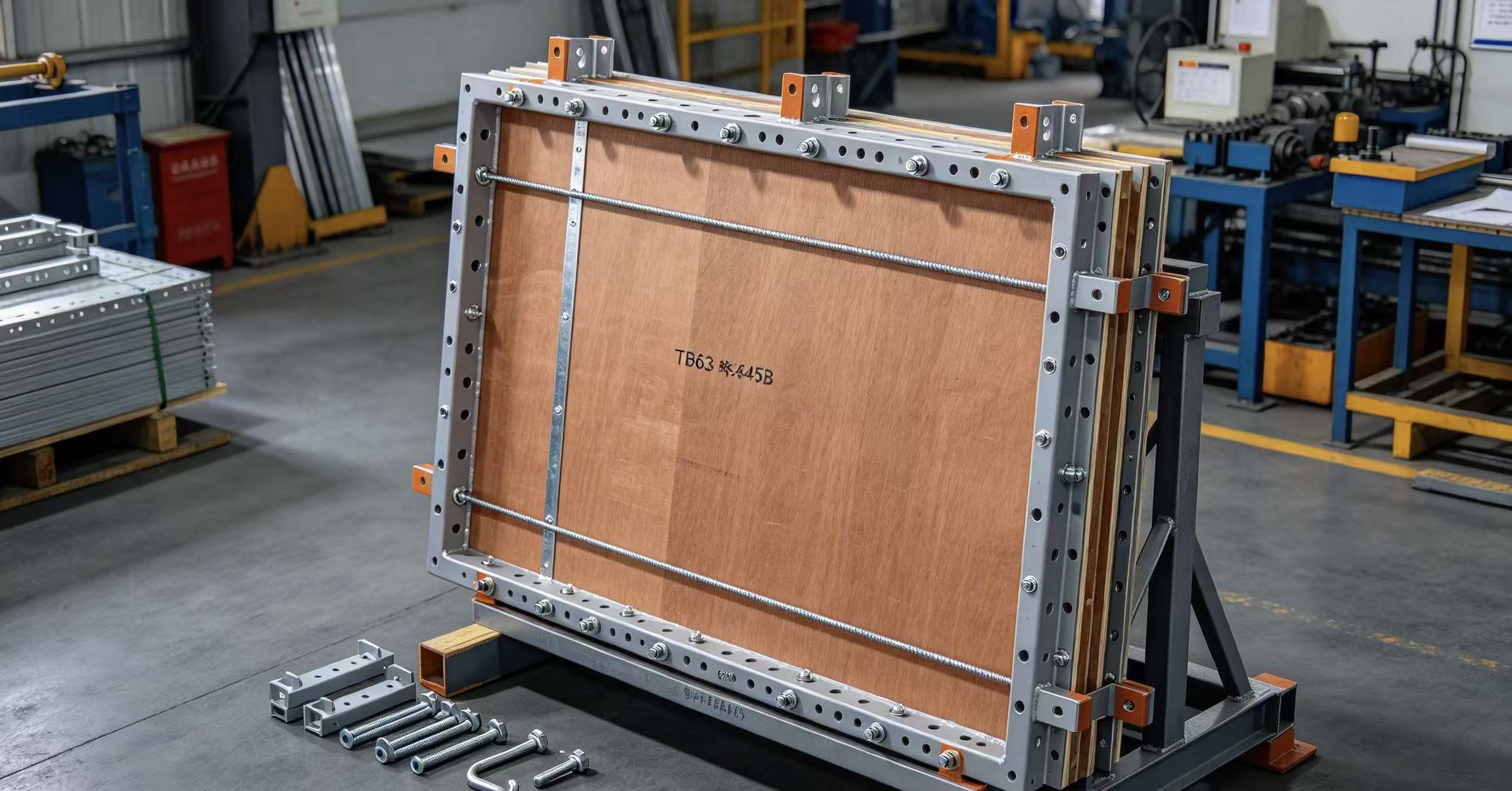
TB63 Series Steel‑Ply System is a modular tool‑type steel‑frame formwork. Frames adopt Q345B hot‑rolled profiles with anti‑corrosion treatment, matched with high‑turnover plywood or PVC foam panel as concrete‑contact facing. Max single‑panel weight reaches 38 kg, which can be carried by two workers without crane dependency.
Main technical specifications
- Panel width range: 100‑600 mm, modular increment 50 mm
- Panel height range: 300‑3000 mm, modular increment 300 mm
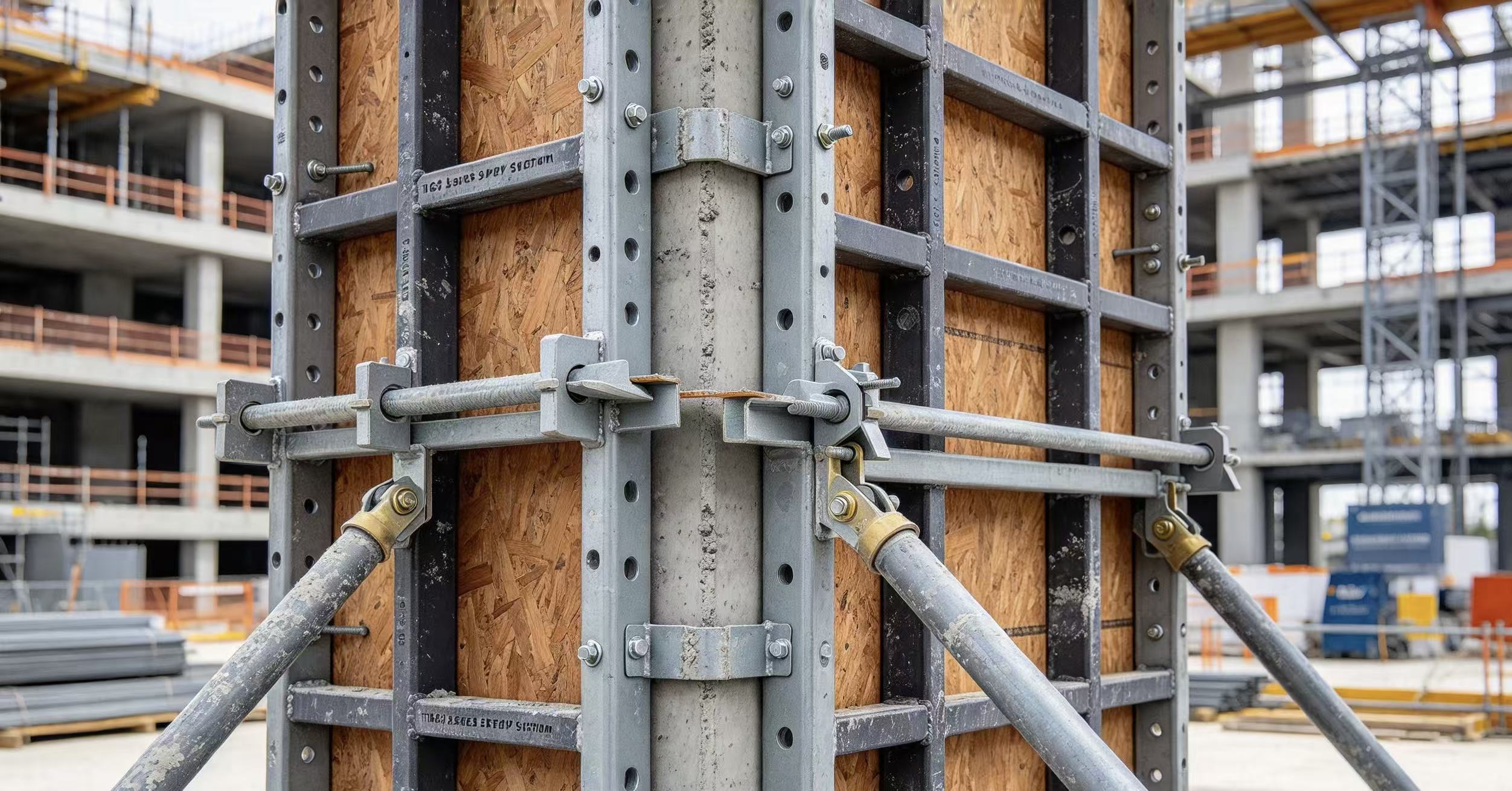
- Main components: standard wall‑column panels, external‑internal corner formwork, adjustable column modules, formwork hooks, wedge pin plates, U‑clamps, diagonal braces and other standard accessories.
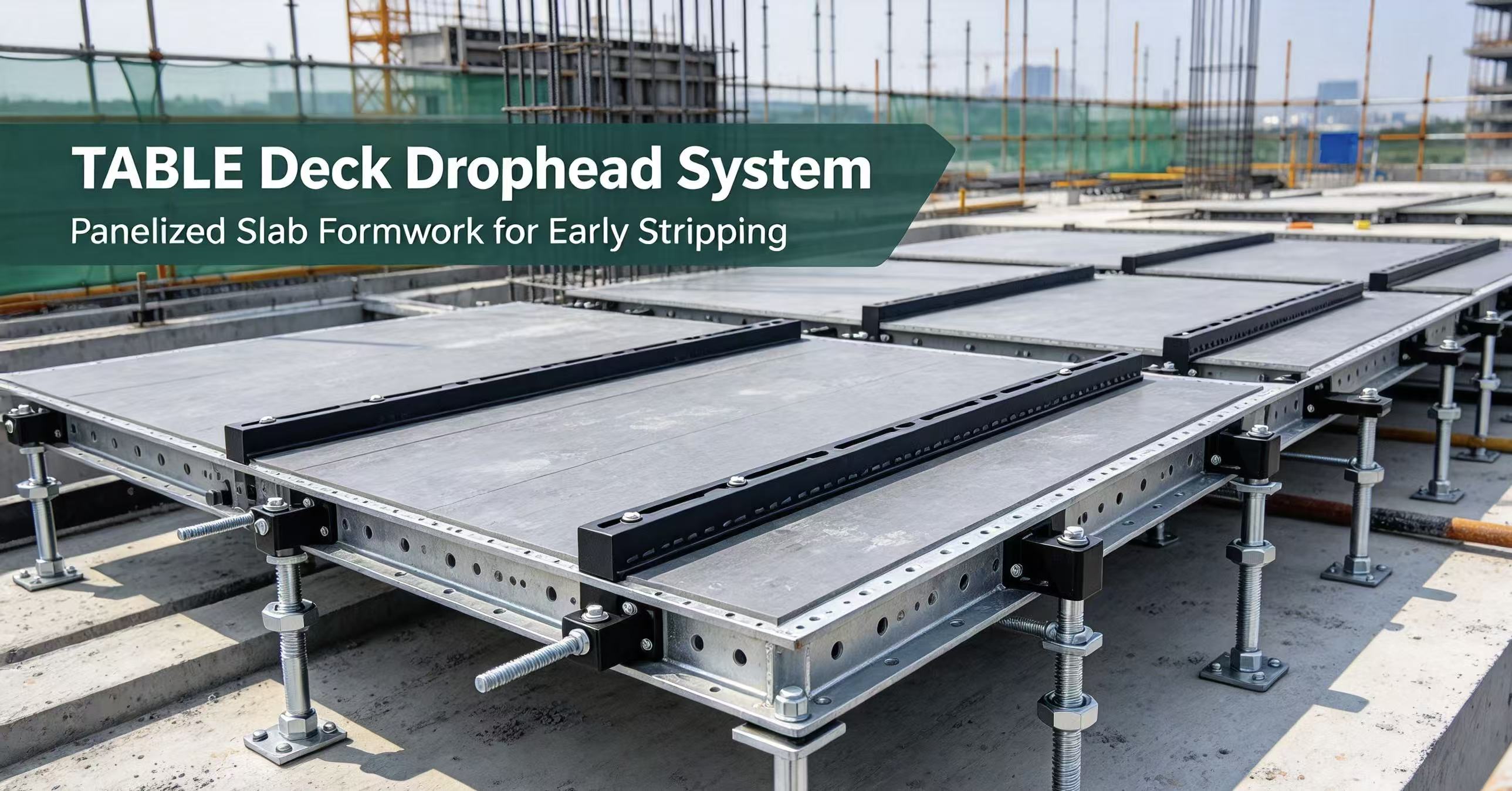
- Compatible application scope: cast‑in‑place concrete construction for walls, columns, beams and slabs. Can work together with TABLE desktop early‑stripping slab formwork system.
Core practical product characteristics
Light‑weight for manual site operation Standard panels can be transported and assembled by manpower. Only a hammer is required for wedge‑pin locking operations, lowering tower‑crane occupancy on construction sites.
High re‑use rate for rental‑oriented assets Anti‑corrosion treated steel frame plus replaceable facing board deliver long service life. Worn plywood can be swapped separately instead of discarding the whole panel, greatly reducing amortized cost for formwork rental fleets.
Modular interchangeable panel design Panels follow 50 mm / 300 mm modular dimensions. Rich‑size combinations adapt to most wall‑column sizes. Less on‑site cutting reduces construction waste and labour workload.
Complete standardized accessory ecosystem Formwork hooks, wedge pins, corner modules, diagonal braces and other parts are fully standardized. No custom‑fabrication is required for most regular building layouts.
Good adaptability for mixed‑project scenarios Suitable for mid‑rise residential, commercial buildings and basement structures. Cooperates well with TABLE early‑stripping slab formwork to speed up overall construction cycles.
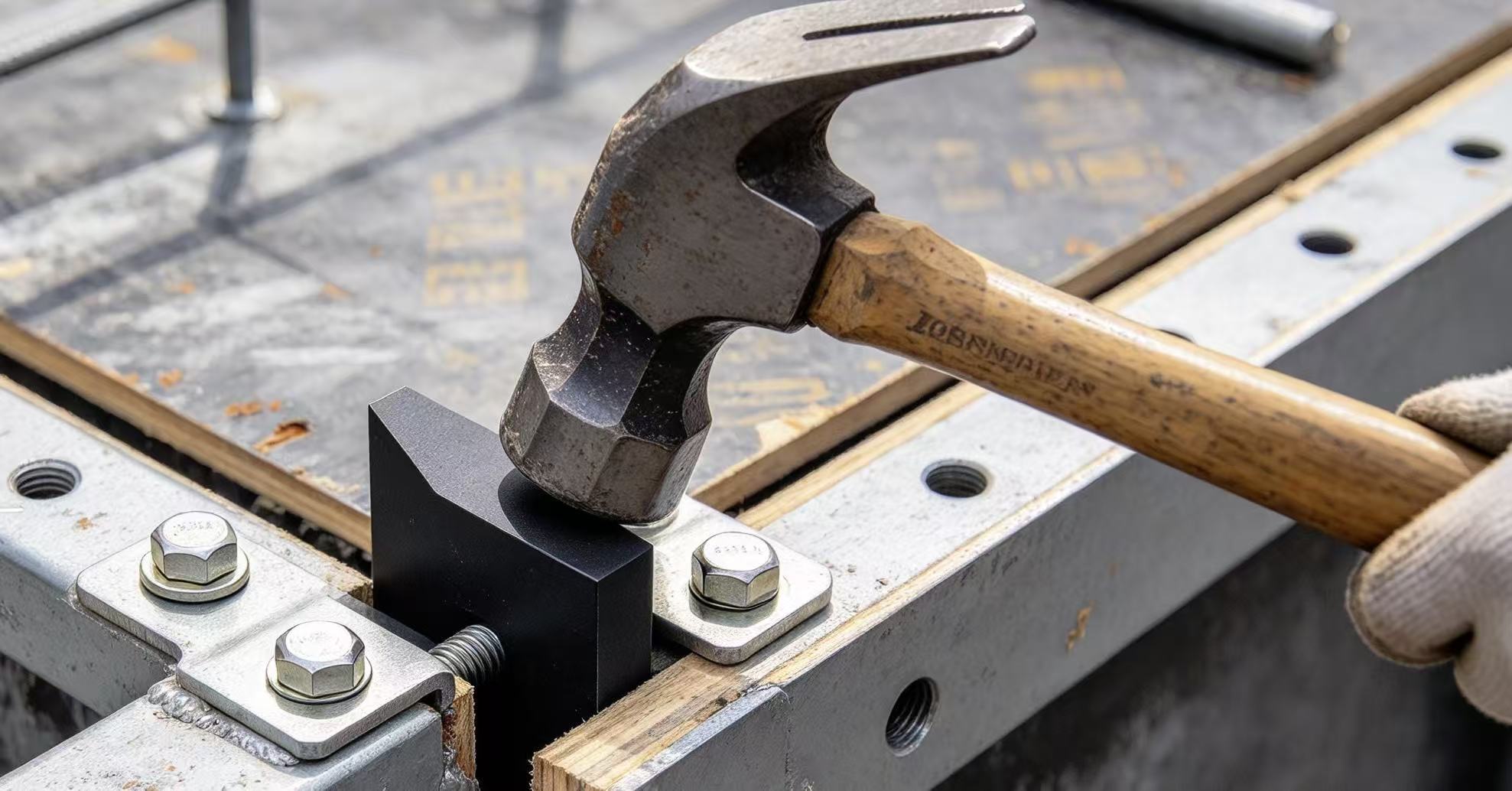
Standard On‑Site Erection & Stripping Workflow for TB63 Steel‑Ply System
Reliable construction quality comes from following standardized operation procedures summarized from official technical documents.
Pre‑construction preparation
Carry‑out formwork layout according to construction drawings. Calculate quantities of wall‑column panels, corner formworks, formwork hooks, wedge pins, bracing accessories. Formulate erection sequence and complete technical briefing for site workers.
Erection procedure
- Perform measurement & setting‑out on site to confirm formwork placement position. Lay thin wood blocks under panels for levelling and convenient later stripping.
- For exterior wall or first‑time assembly case: pre‑assemble one‑side wall formwork on flat ground, lock panels with wedge pin plates.
- Lift pre‑assembled large formwork sections to designated position by tower crane where necessary; install formwork hooks and wedge pins to lock adjacent panels tightly.
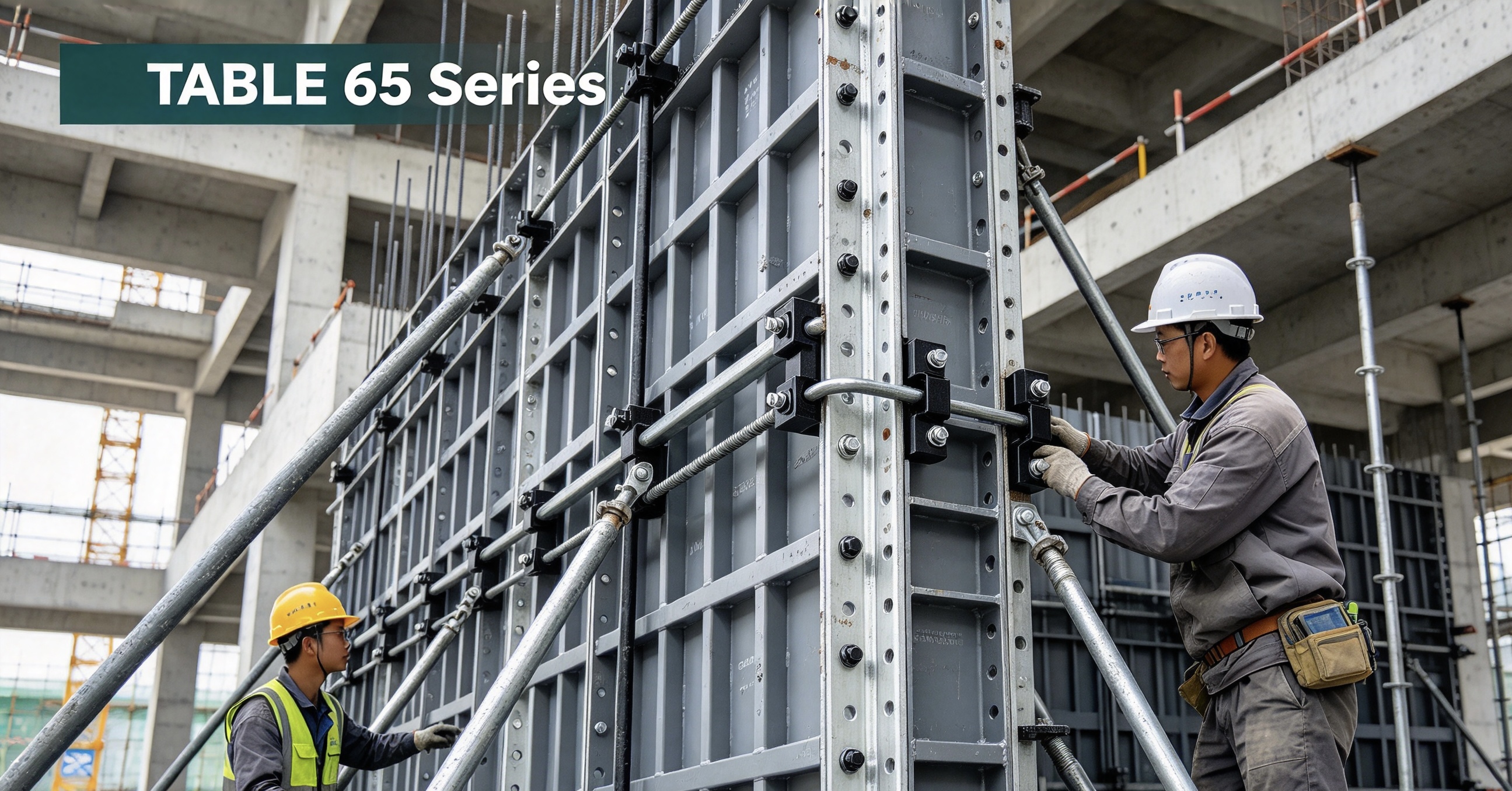
- Install internal‑external corner modules, mount temporary diagonal bracing to prevent tilting or falling.
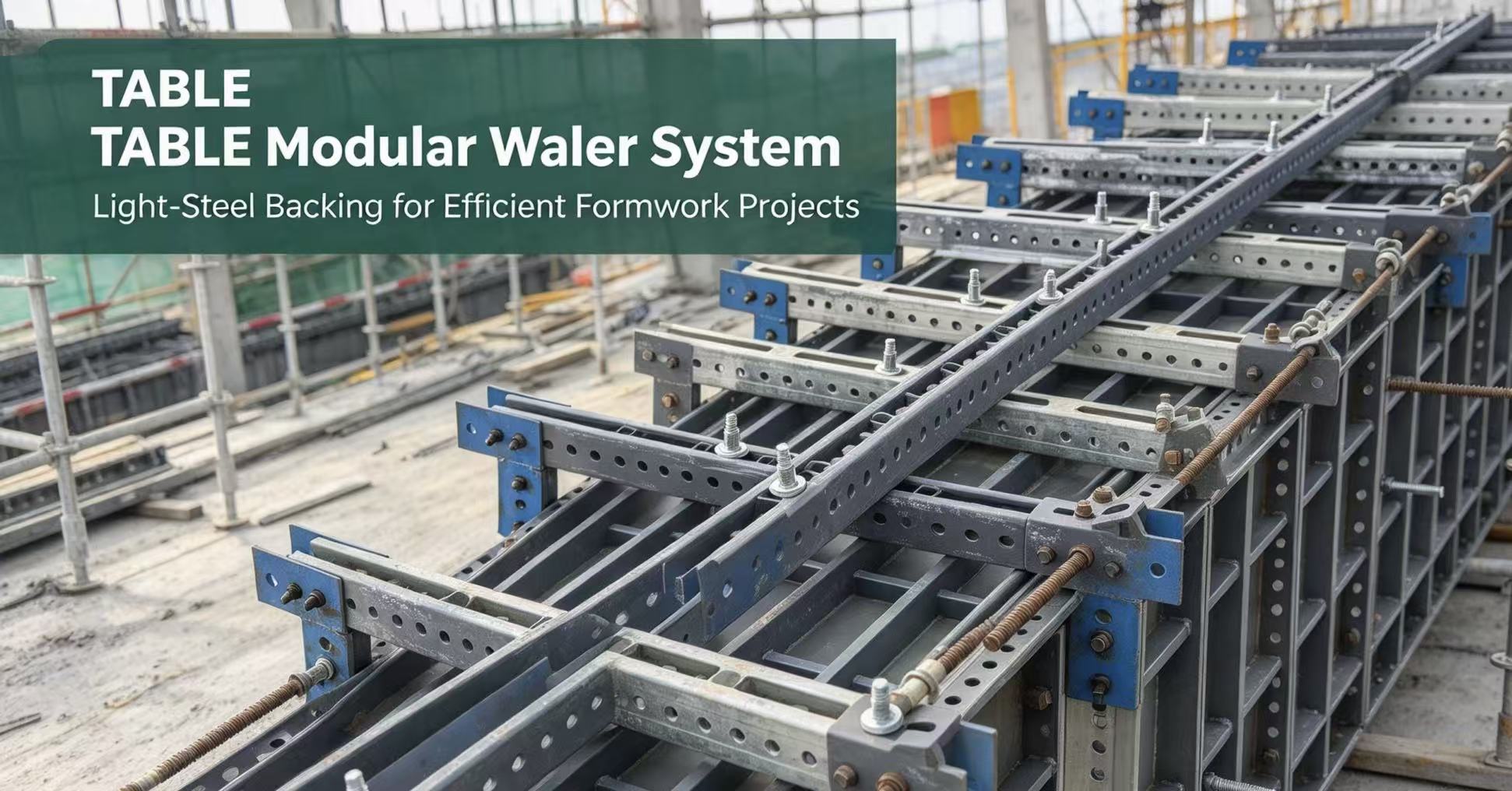
- Install opposite‑side wall panels piece‑by‑piece. Equip corresponding wall tie components for each panel section. Reinforce with steel‑pipe back support and make alignment adjustment.
- Double‑check all wedge‑pin locking status, bracing stability and dimension deviation before concrete pouring.
Stripping & warehouse maintenance
Demolition can only commence after concrete reaches specified stripping strength.
- Remove corner steel pieces and wedge pins following top‑down sequence. Special supporting protection shall be applied for door‑and‑window opening bottom panels.
- Dismantle panels piece‑by‑piece. Clean concrete residues on steel frames and facing boards. Inspect frame deformation and accessory wear status; replace damaged plywood and spare parts timely.
- Sort panels and all accessories by specification. Store on elevated racks away from damp ground for reuse on upper floors or new projects.
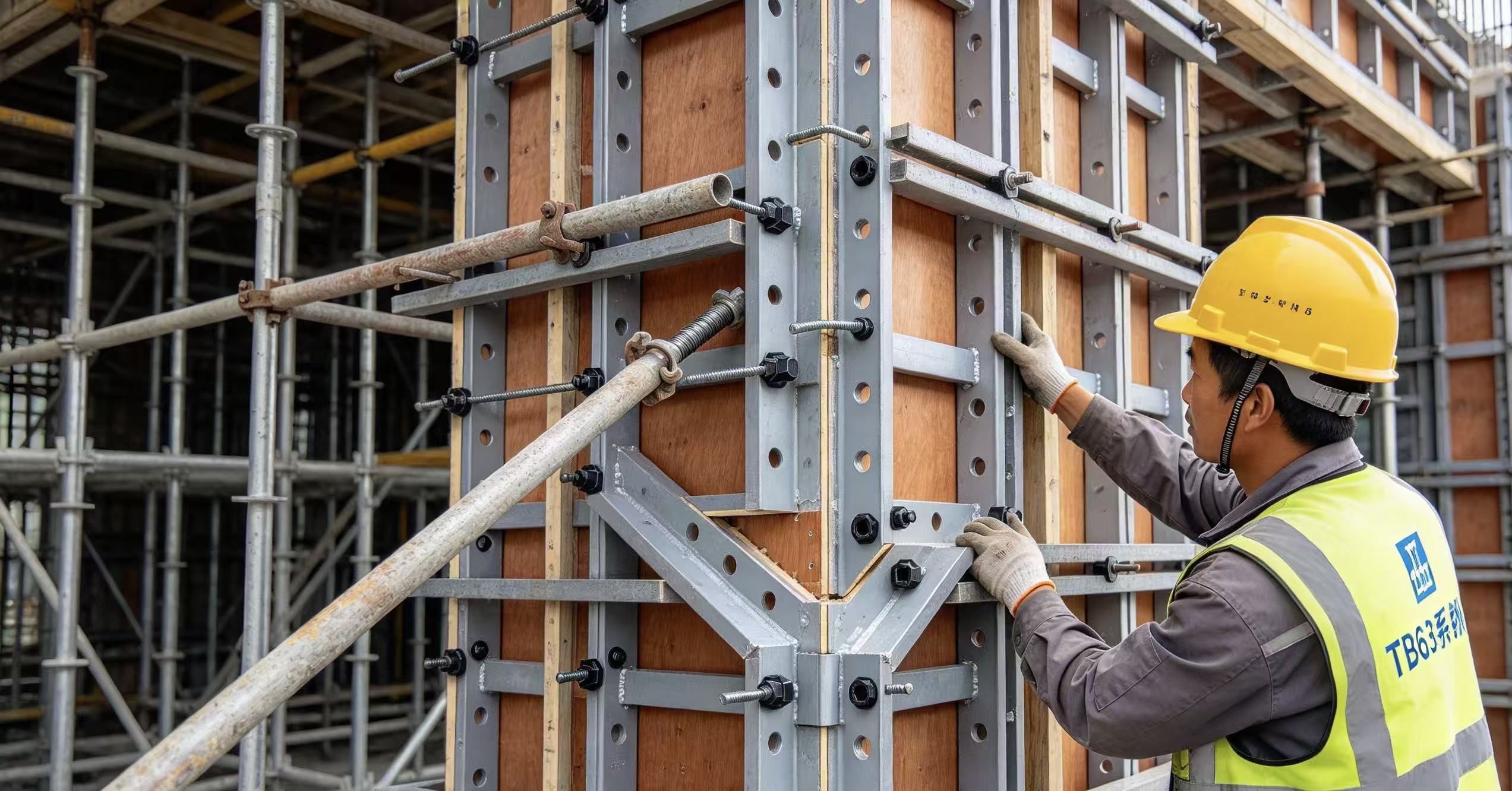
Practical Application Considerations for Southeast‑Asia Construction Projects
Although TB63 steel‑ply system brings multiple advantages, tropical site constraints need full attention.
Storage & anti‑rust maintenance in hot‑humid climate
Even with anti‑corrosion surface treatment, long‑term exposure to rain, mud and concrete slurry will shorten component lifespan. Store metal parts off wet ground. Remove concrete deposits after every turnover. Check wedge‑pin and hook flexibility on a regular basis.
Suitable project scope
Perfect for mid‑rise residential apartments, commercial buildings and basements. For ultra‑high load, super‑tall or special‑shaped structures, independent structural calculation must be completed before adoption.
Site crew familiarisation
The main locking operation only requires a hammer. Nevertheless, workers need brief training covering wedge‑pin locking rules, pre‑assembly logic and stripping sequence. TABLE can supply official operation guides for site supervisors.
Target Users Who Benefit from TB63 Series Steel‑Ply System
‑ Formwork‑rental companies searching for high‑turnover modular steel‑ply shuttering with replaceable facing boards ‑ General contractors executing mid‑rise residential & commercial projects with limited tower‑crane resources ‑ Construction teams aiming to cut on‑site timber cutting waste and reduce formwork material consumption ‑ Project teams adopting TABLE desktop early‑stripping slab system, seeking matching wall‑column formwork solution