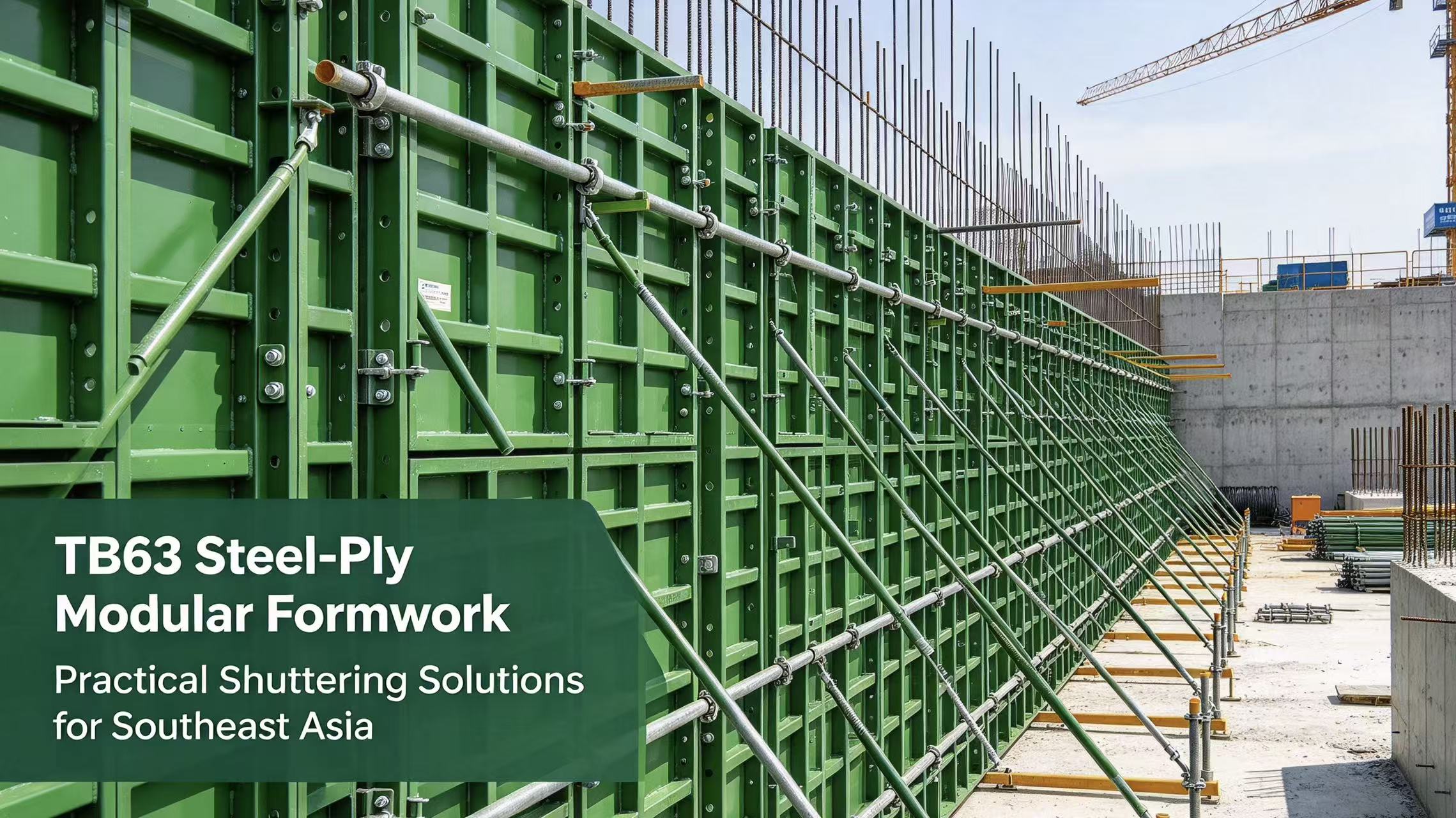
Construction Formwork Challenges in Southeast‑Asian Building Projects
Urbanisation keeps driving large‑volume construction across Southeast Asia. Mid‑rise apartments, commercial blocks and municipal buildings are in continuous demand. However, local construction teams and formwork rental operators often encounter several common pain points when choosing shuttering solutions.
Climate, labour and lifting‑equipment limitations on‑site
Hot and humid tropical weather speeds up ageing of traditional timber plywood. Timber formwork has limited reuse cycles; frequent replacement brings recurring material costs for contractors. Many suburban and second‑tier city construction sites do not have sufficient tower‑crane capacity. Heavy full‑steel formwork is highly crane‑dependent and may slow construction progress. Meanwhile, all‑aluminium formwork requires high initial capital investment, which creates financial pressure for small‑and‑medium‑sized rental inventories. Local site labour needs intuitive, easy‑to‑learn formwork systems. Over‑complicated connecting structures extend training time and increase operational errors. The market demands modular formwork that balances manageable panel weight, good durability, simple assembly and reasonable total‑life‑cycle cost.
Overview of TB63 Series Steel‑Ply Modular Formwork
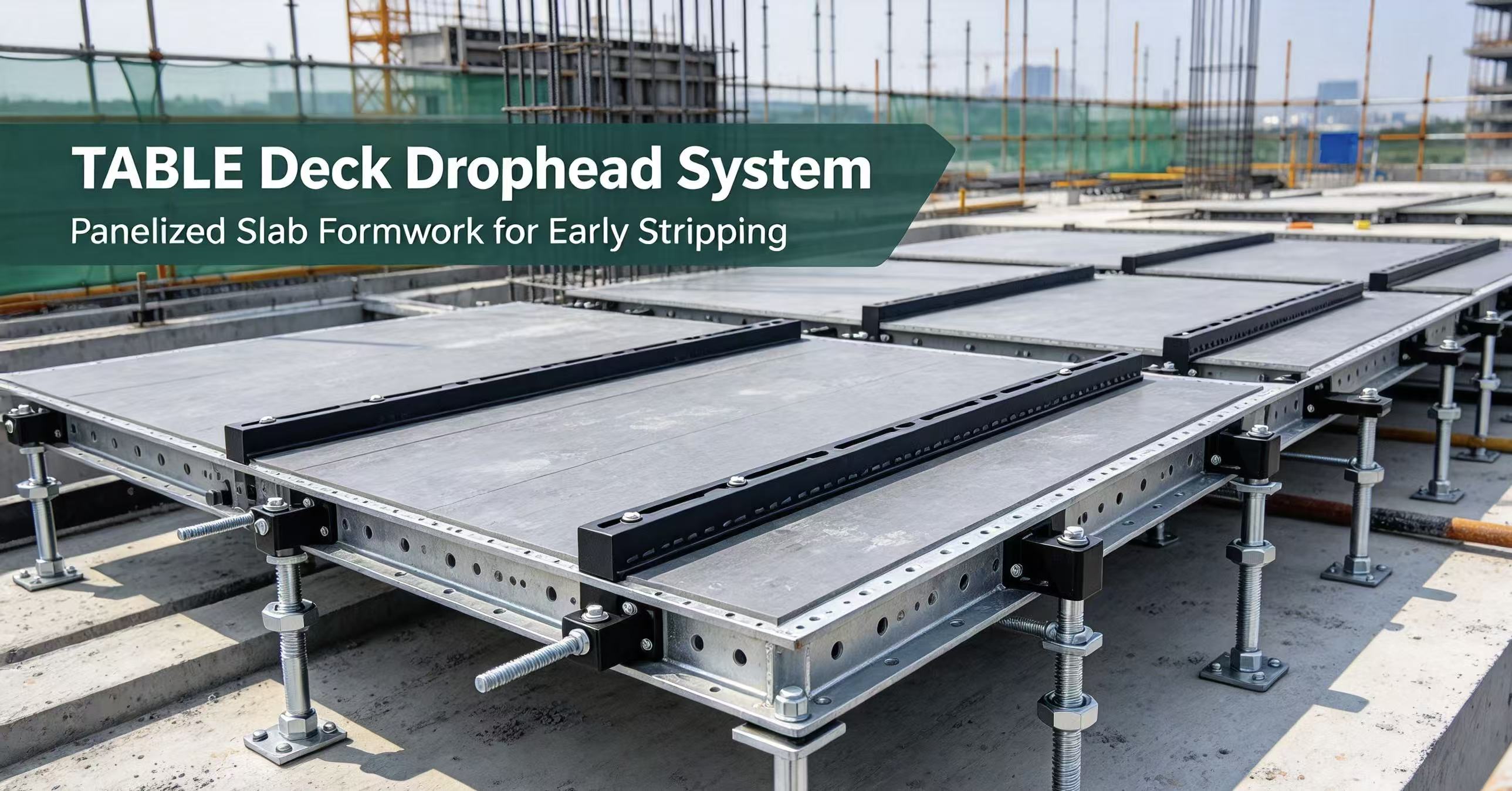
TB63 Series Steel‑Ply System is a modular tool‑style steel‑frame formwork developed by TABLE. It is designed for cast‑in‑place concrete construction of walls, columns, beams and slabs. The system can cooperate with TABLE desktop early‑stripping slab formwork to deliver a complete building‑forming solution.
Raw materials and main technical specifications
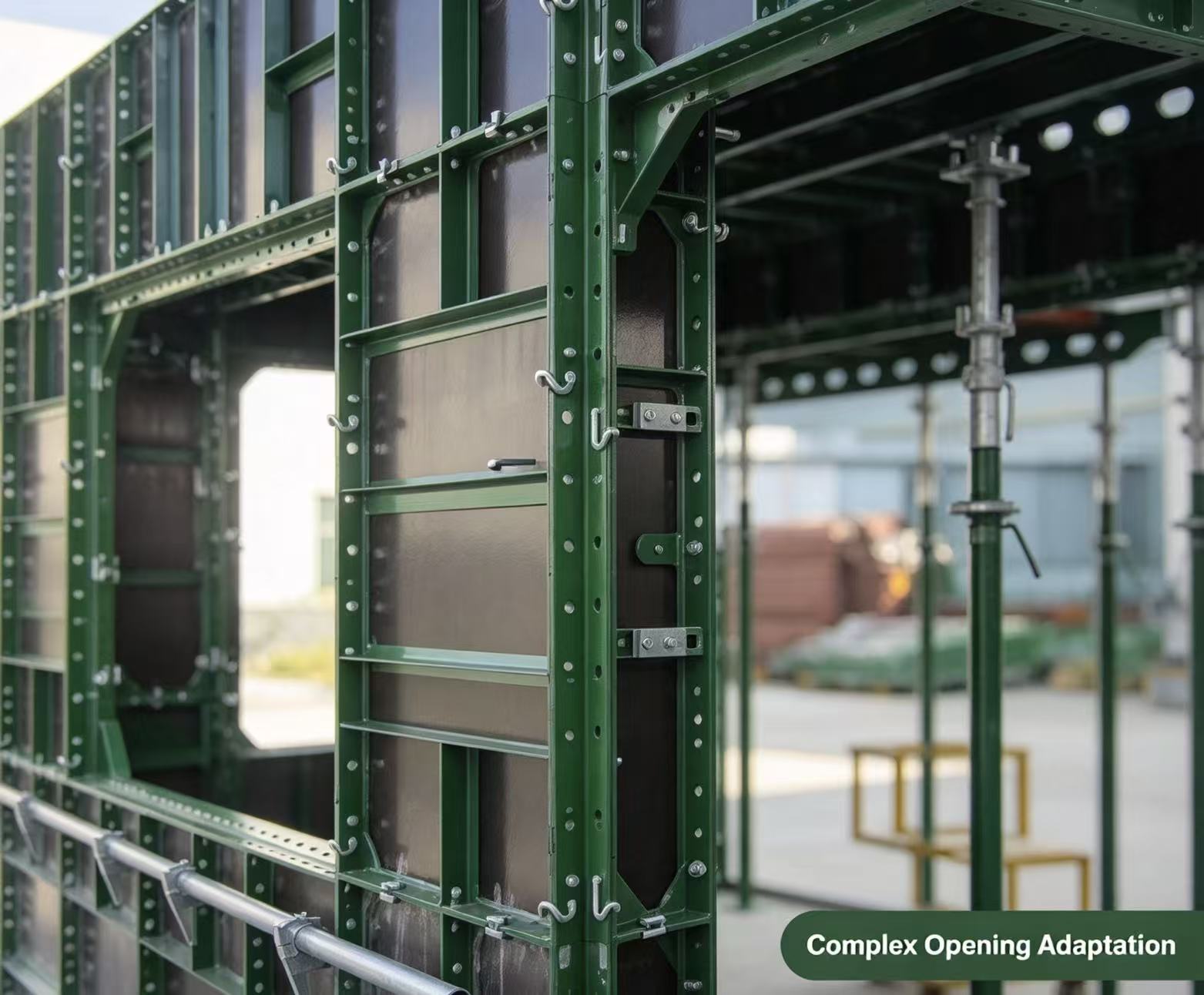
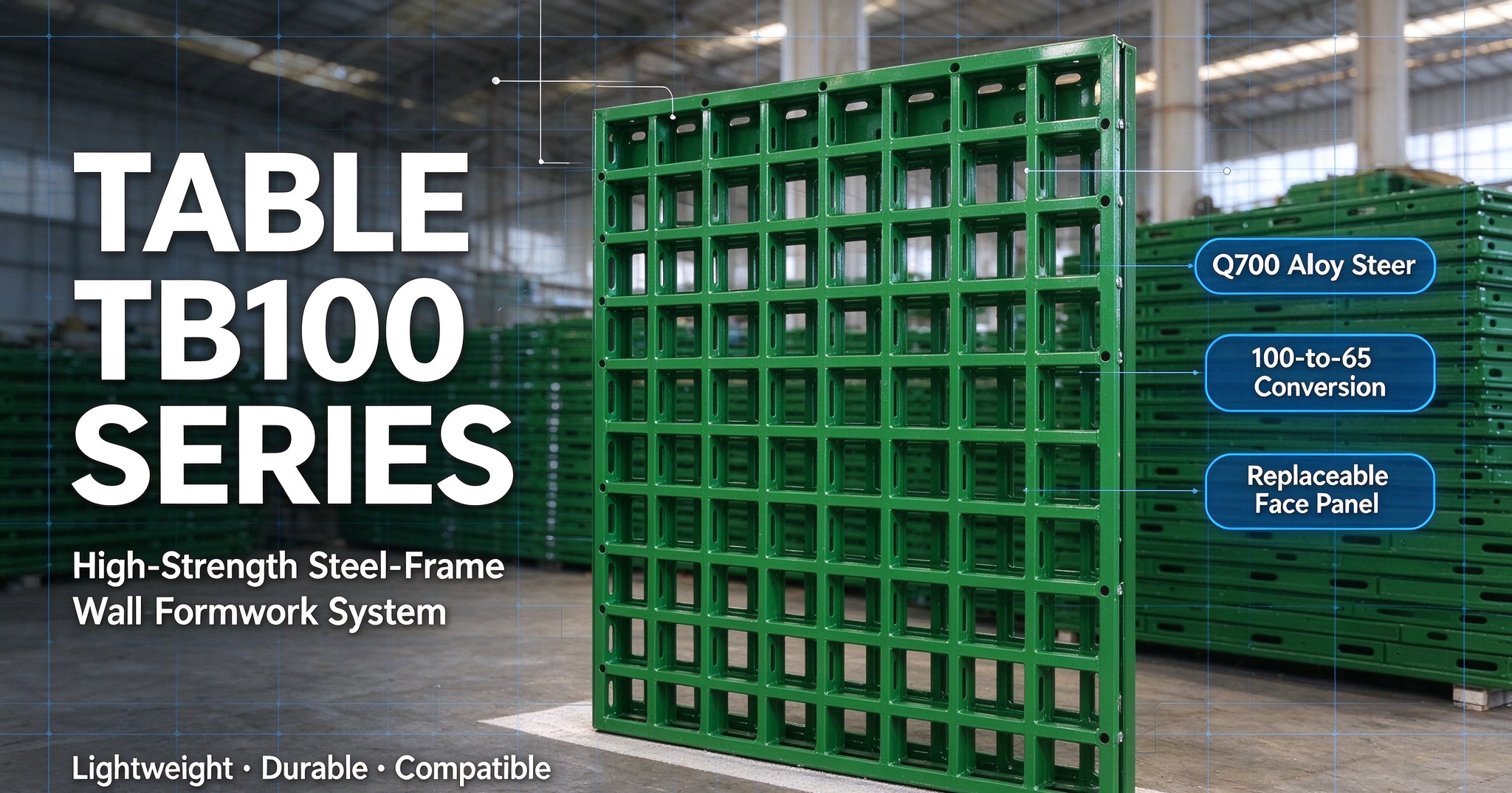
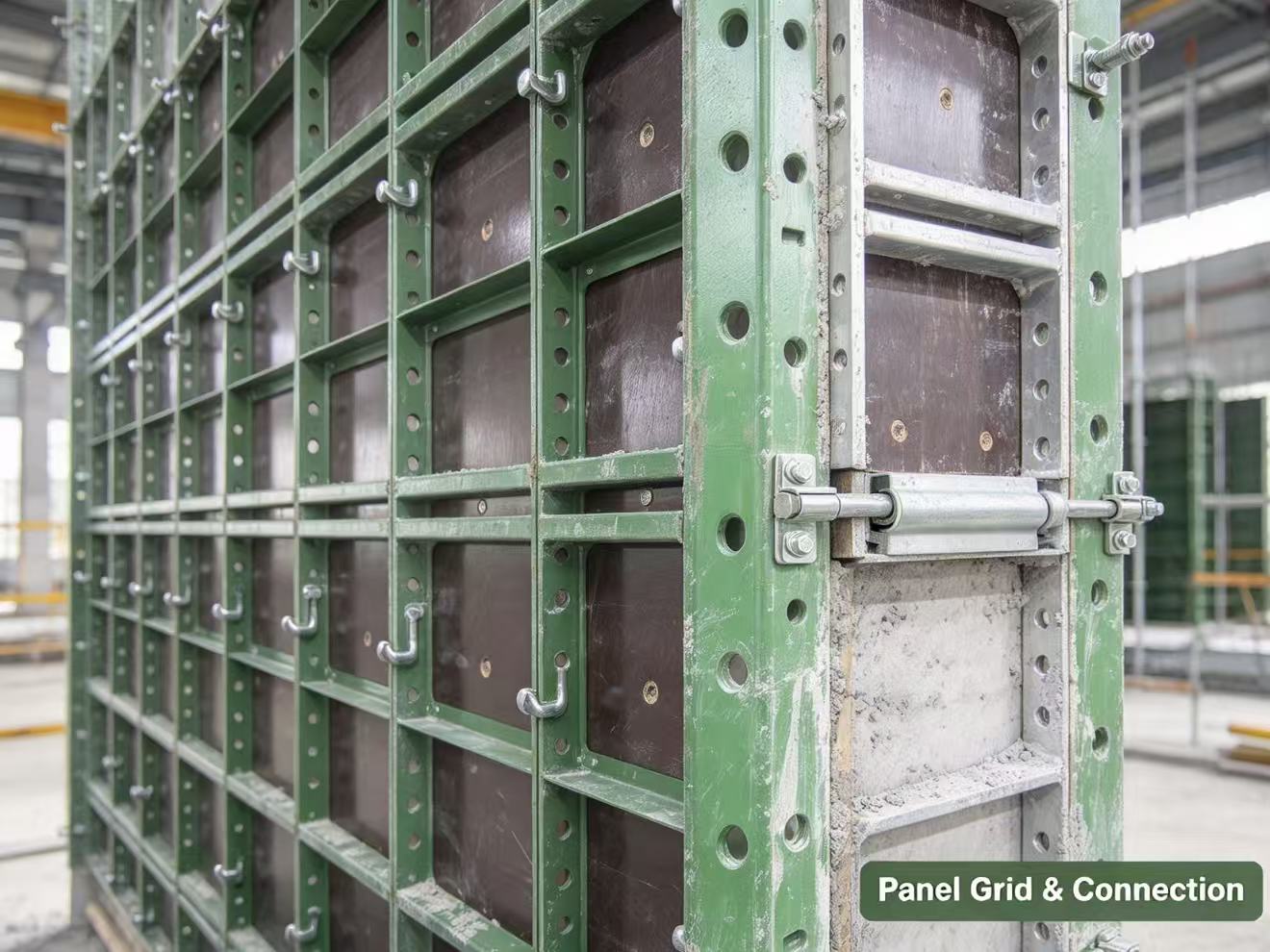
The steel frame adopts Q345B hot‑rolled profiles with anti‑corrosion surface treatment. Panels are fitted with high‑reuse PVC foam board or bamboo‑wood plywood as the concrete contact face. Modular dimension design supports flexible layout combinations: ‑ Width: 100‑600 mm, increment by 50 mm ‑ Height: 300‑3000 mm, increment by 300 mm The maximum weight of a single panel reaches 38 kg, so two workers can manually carry panels at sites where crane resources are scarce. A full set of matching components includes corner panels, formwork hooks, wedge pin plates and other accessories.
Core practical product characteristics
Manually operable modular panels for sites with restricted lifting capacity Panels can be handled by site workers without full reliance on tower cranes. This advantage fits many suburban Southeast‑Asia construction projects with limited crane availability.
Hammer‑driven simple assembly mechanism Wedge pin plates serve as the main connecting parts. Workers mostly use only a hammer to complete panel locking. Partial pre‑assembly can be finished on flat ground before hoisting to floors, which reduces on‑site cutting and modification work.
High turnover performance suitable for rental business Anti‑corrosion‑treated steel frames support repeated turnover across multiple projects, making the TB63 system suitable for formwork‑rental companies. Damaged facing plywood can be replaced separately instead of discarding the whole steel frame, helping to control long‑term operating expenditure.
Good universality for wall and column forming Complete component resources cover straight walls, internal corners, external corners and adjustable column‑form modules. It adapts to most conventional shear‑wall and frame‑column layouts in multi‑storey buildings.
Standard On‑Site Construction Workflow of TB63 Steel‑Ply Formwork
Actual forming quality relies on reasonable pre‑planning and standard site operations. The following workflow is summarised from the official TB63 technical documents.
Pre‑construction preparation
Project technicians need to match panel combinations according to construction drawings, calculate quantities of panels, formwork hooks, wedge pin plates and all other accessories. The complete construction sequence shall be confirmed before formwork erection starts.
Formwork erection procedure
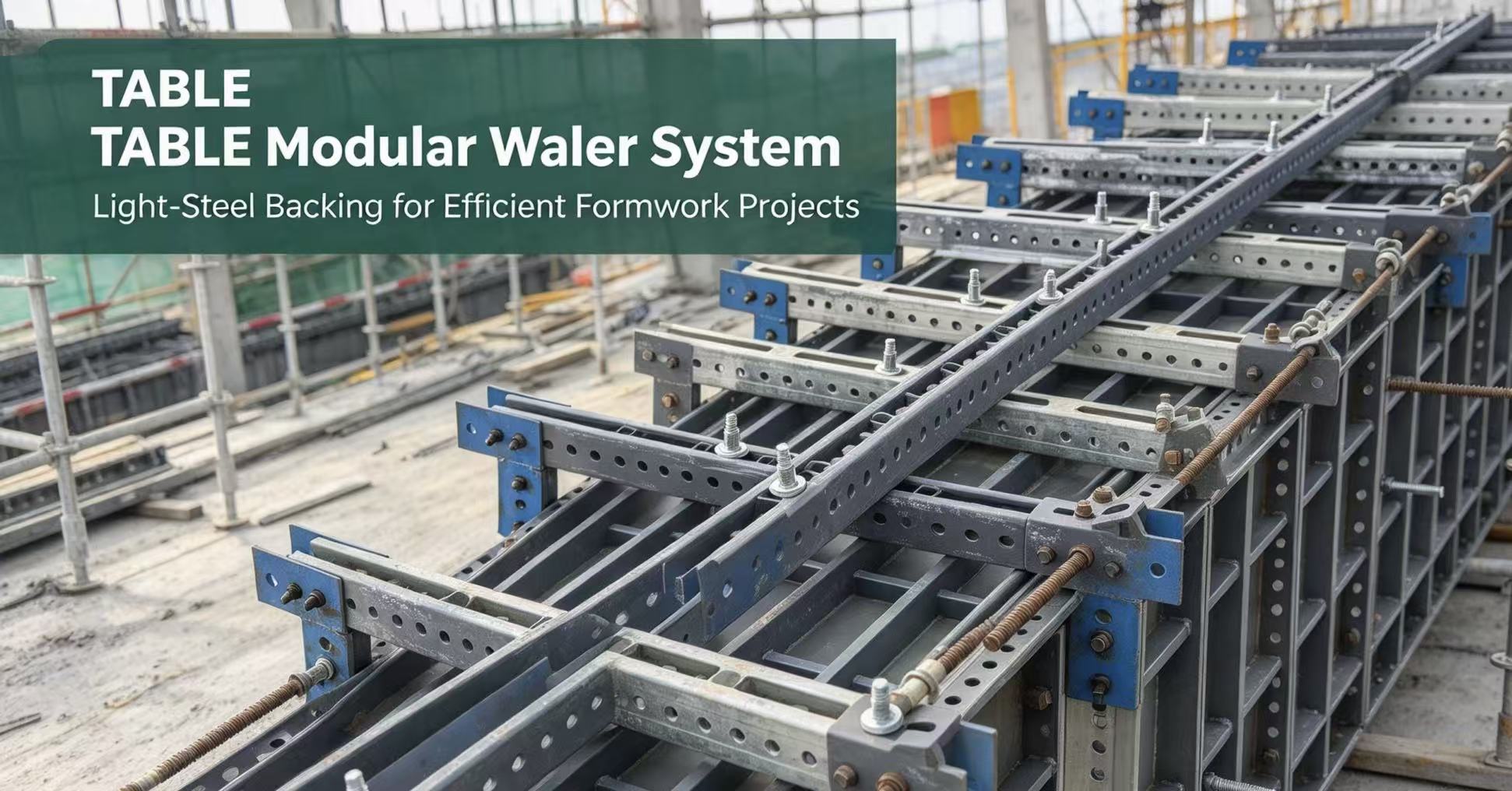
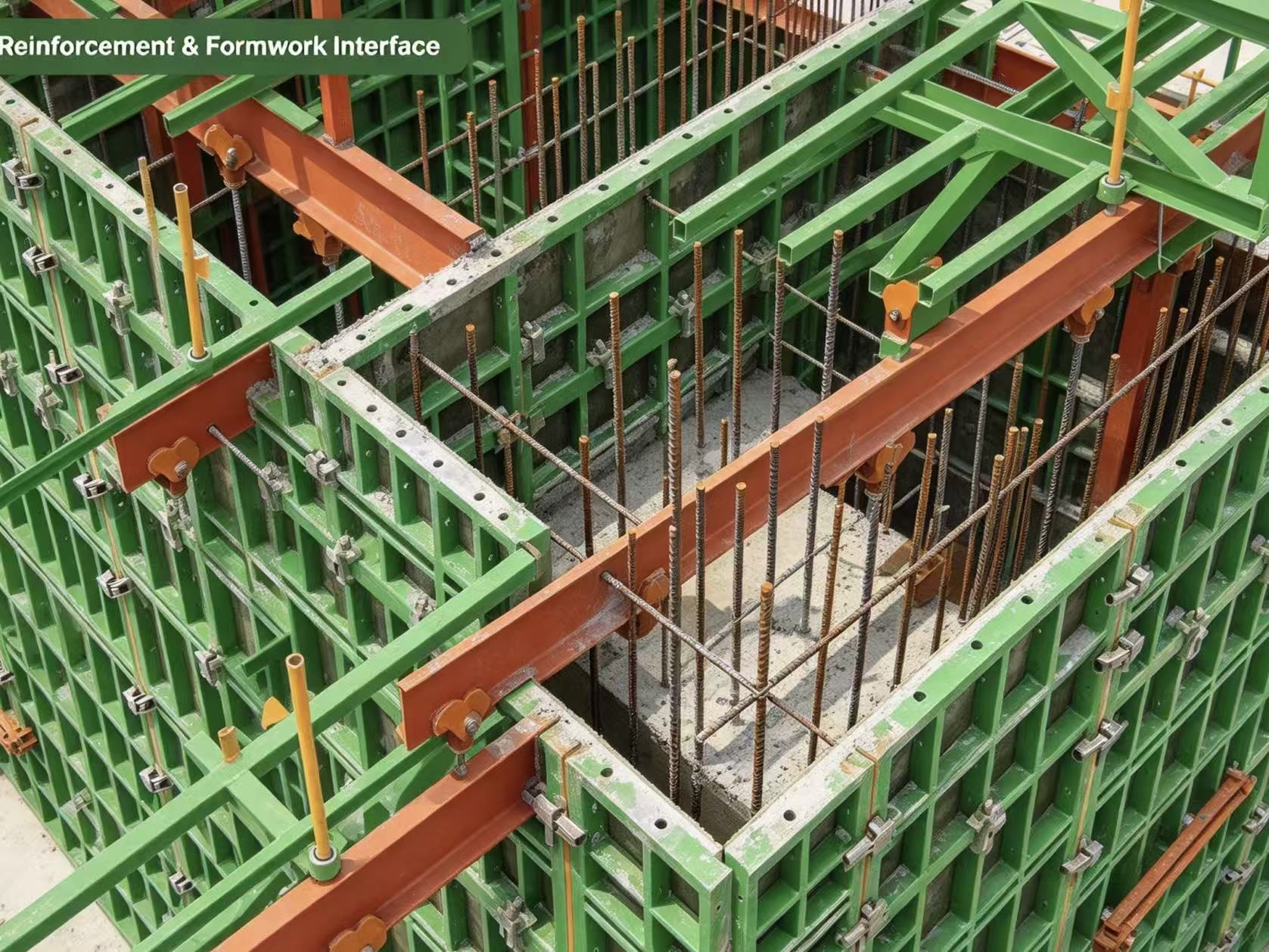
Carry‑out layout marking to define formwork installation positions. For the first‑time installation or exterior‑wall construction, assemble one‑side wall panels on flat ground in advance with wedge pins. Place wood strips under the panel position for levelling and convenient later stripping. When hoisting pre‑assembled large‑panel sections by tower crane, install temporary supports immediately after panels are in place to prevent tipping. Use formwork hooks and wedge pin plates to lock adjacent panels via hammer striking. Install tie rods and back‑up steel tubes to guarantee alignment and resist concrete lateral pressure. Inner‑wall and outer‑wall erection follow different logics. Exterior‑wall formwork can be pre‑assembled on the ground and lifted as large segments. Since exterior panels lack lower supporting points, wall‑mounted brackets fixed by wall bolts are required to provide supporting positions. For inner walls, assemble panels piece‑by‑piece while installing corresponding wall tie parts.
Formwork stripping steps
Demolition work can only commence after concrete reaches the specified stripping strength. Remove corner steel parts and wedge pin plates following a top‑down sequence. Special steel supports must be reserved for the bottom formwork of door‑and‑window openings. After stripping, clear residual pull tabs left on concrete surfaces. Clean concrete residue from panels thoroughly. Well‑maintained panels can be turned over for upper‑floor construction or subsequent projects.
Application Considerations for Southeast‑Asia Projects
No formwork system fits every construction condition. Below are practical tips for local contractors and formwork‑rental enterprises.
Storage & maintenance under tropical humid environment
Even with anti‑corrosion treatment for steel frames, proper site storage remains essential. Keep panels off damp ground during rainy seasons. Regularly clean concrete deposits. Replace worn‑out plywood facing to ensure smooth concrete finishing results.
Suitable project scope
TB63 steel‑ply formwork is well‑suited for multi‑storey residential apartments and ordinary commercial‑building wall‑and‑column concrete works. For special structures bearing ultra‑high loads, independent structural checking is still necessary.
On‑site labour familiarisation
Although wedge‑pin connection operations are relatively simple, site crews need basic training about hook mounting, wedge‑pin locking and temporary‑bracing specifications. TABLE can provide technical guidance documents for site supervisors.
Target Users Who Benefit from TB63 Steel‑Ply Formwork
‑ Formwork‑rental companies seeking medium‑weight modular fleets with good re‑use performance ‑ General contractors undertaking mid‑rise residential and commercial projects with insufficient tower‑crane resources ‑ Construction teams aiming to reduce site‑side timber cutting and waste compared with pure‑timber shuttering ‑ Projects that plan to combine wall‑column formwork with early‑stripping slab systems for unified site management