How Does Table Formwork Work in Construction? A Step-by-Step Guide
What Is the Working Principle of Table Formwork?
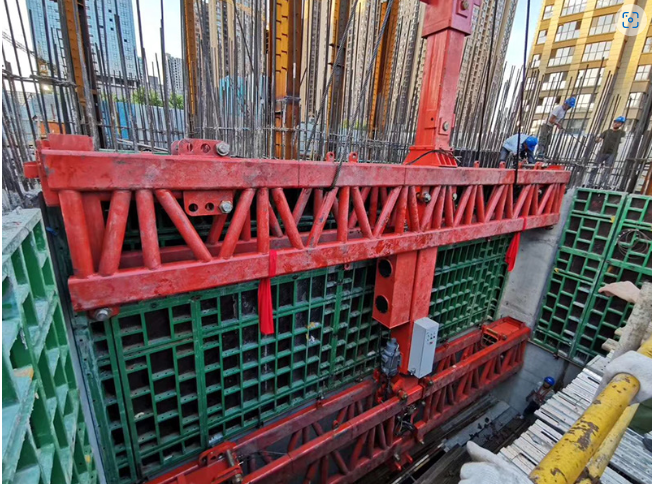
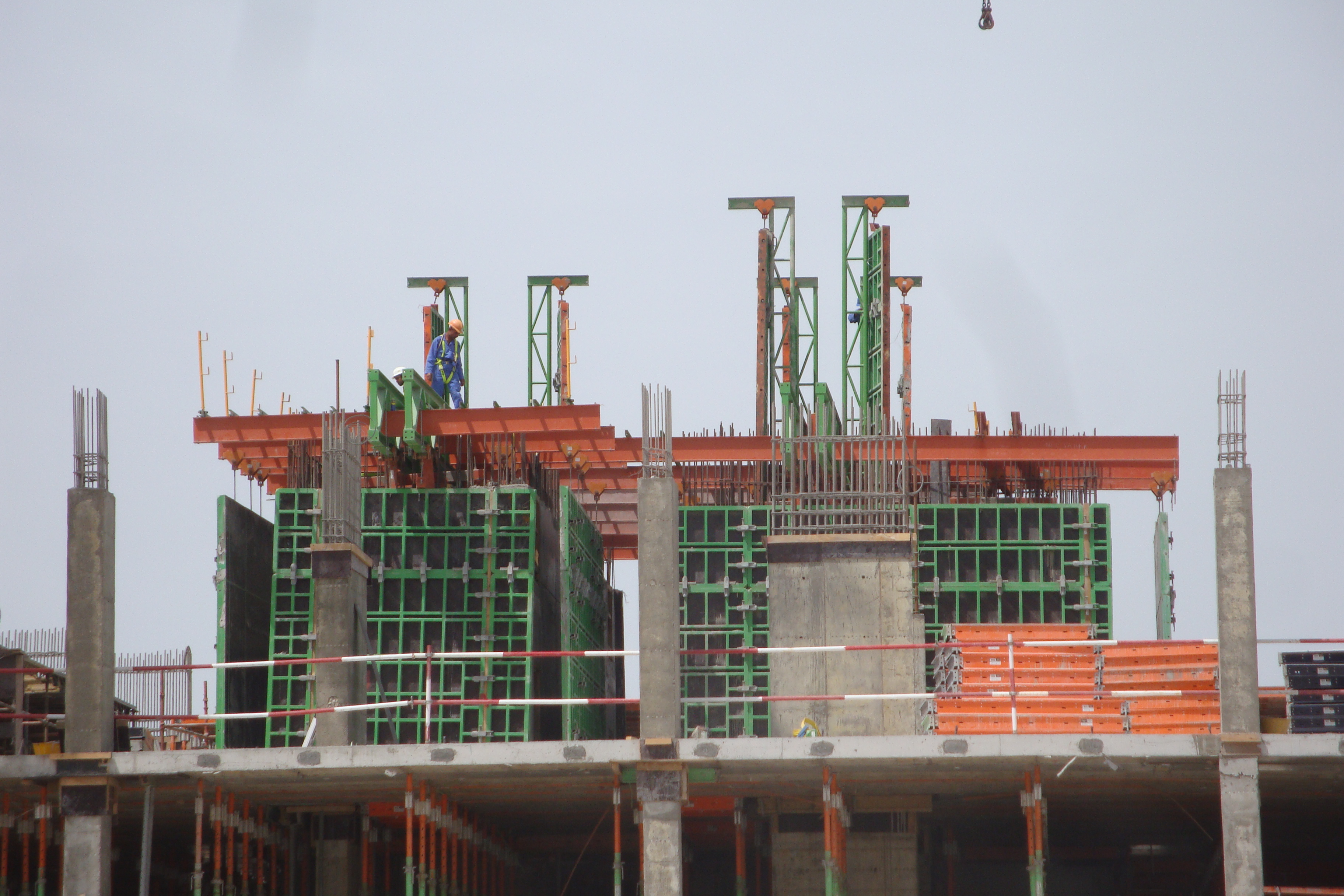
A table formwork system works by creating a temporary supporting structure for concrete slabs during the construction process.
The system transfers the weight of:
- Fresh concrete
- Reinforcement steel
- Construction workers
- Equipment loads
through the formwork panels and support structures to the building structure.
After the concrete reaches the required strength, the table formwork can be lowered, moved, and reused for the next construction cycle. This process allows contractors to achieve faster floor-to-floor construction.
This process allows contractors to achieve faster floor-to-floor construction.
Main Components of Table Formwork System
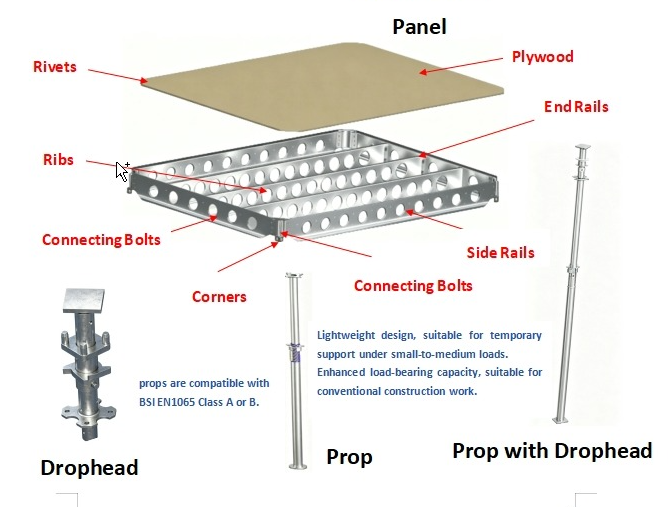
A complete table formwork system usually consists of several important components.
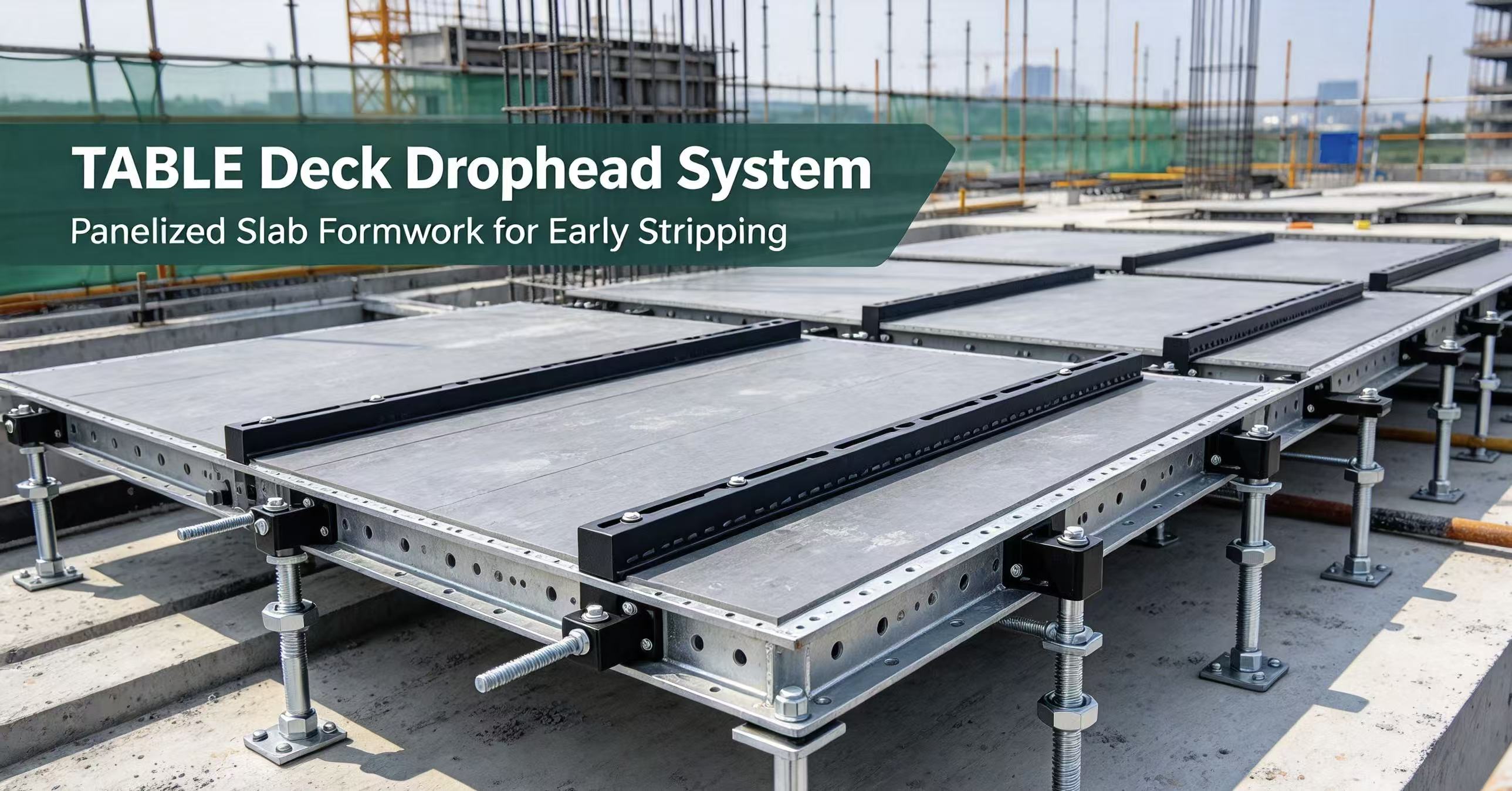
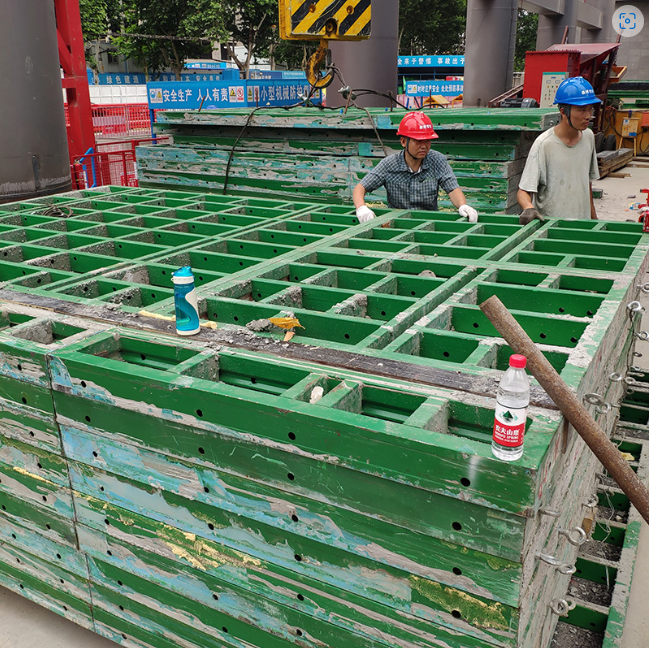
1. Formwork Panel
The top surface provides direct support for concrete slabs.
Main requirements:
- Smooth surface finish
- High strength
- Accurate dimensions
- Easy cleaning and reuse
Common materials include:
- Aluminum
- Steel
- Composite panels
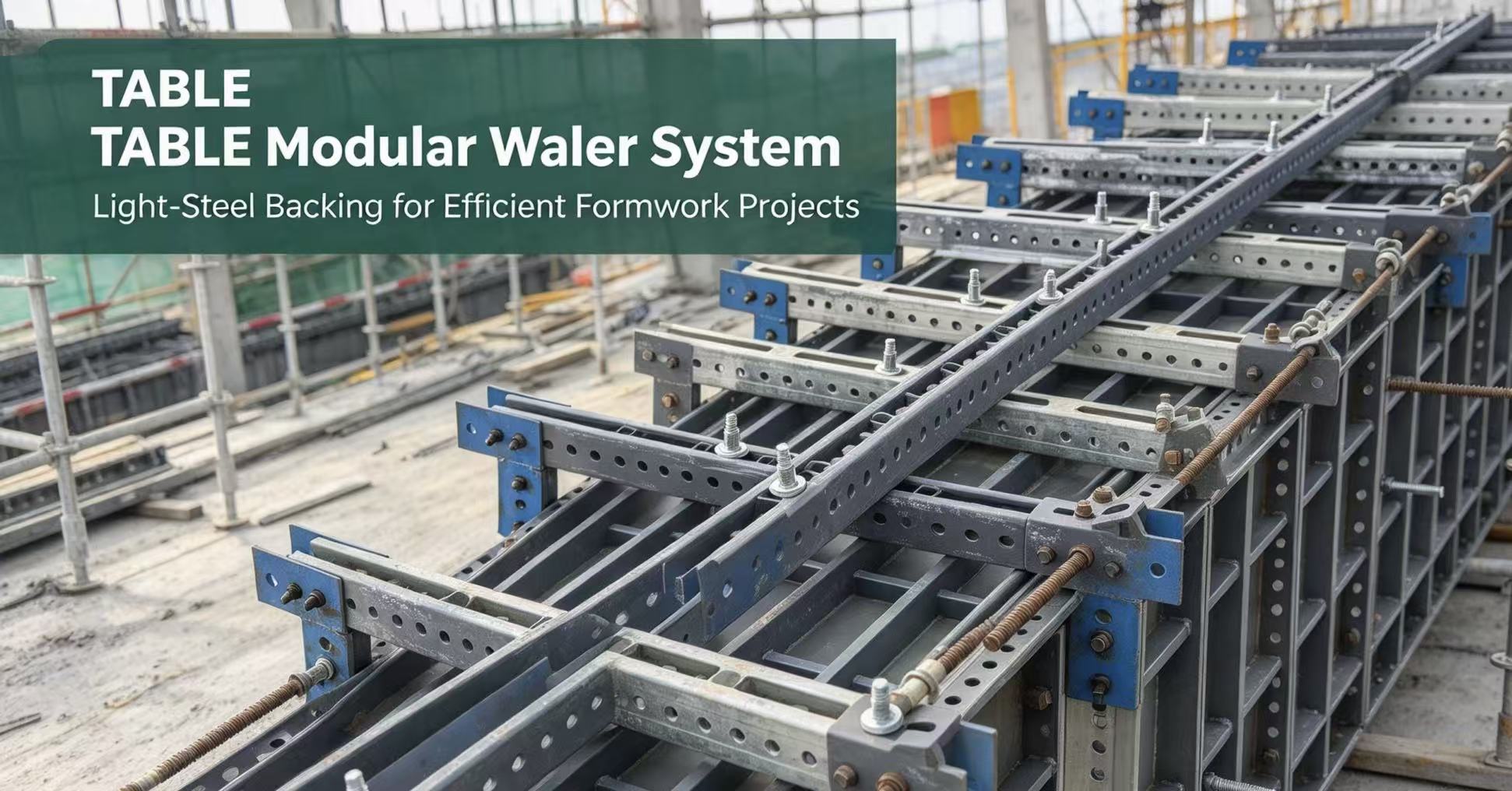
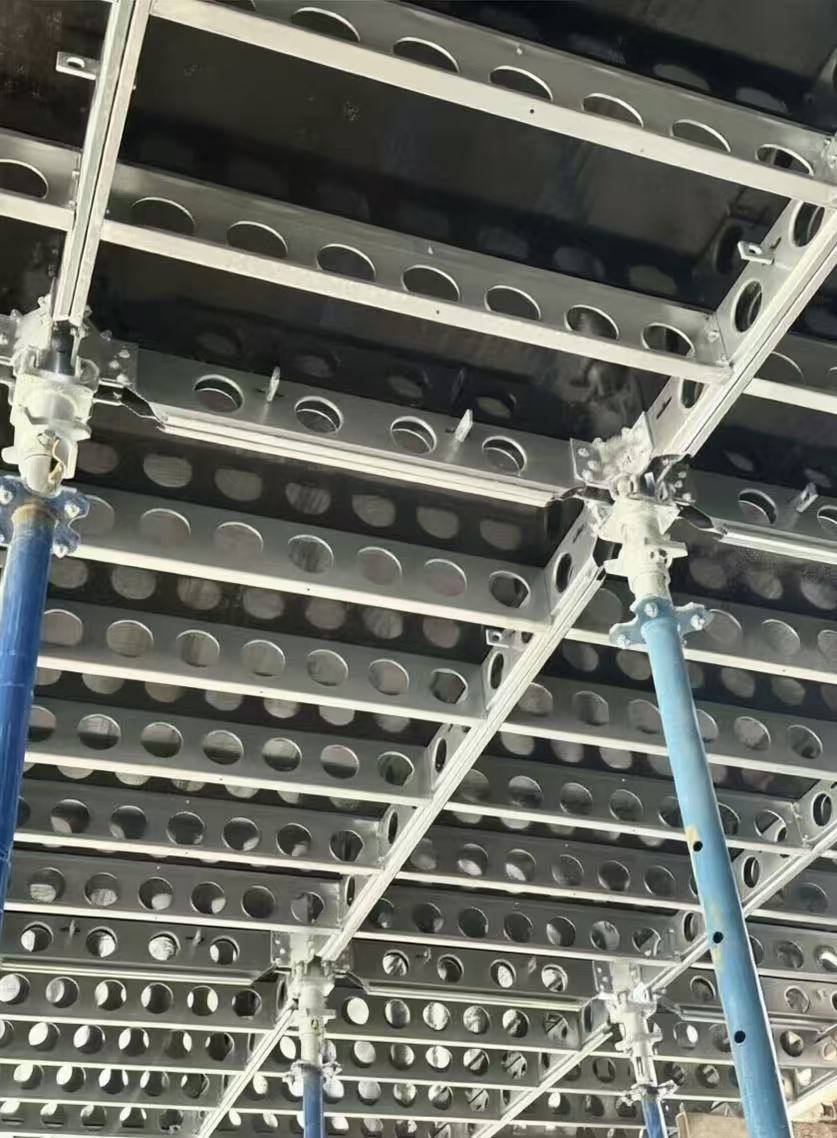
2. Supporting Beam System
Beams provide structural support below the slab formwork.
Their functions include:
- Distributing loads
- Maintaining stability
- Supporting large slab areas
3. Adjustable Supporting Legs
Adjustable props or legs allow workers to control:
- Height adjustment
- Leveling
- Load support
This flexibility makes table formwork suitable for different building structures.
4. Moving and Lifting System
For high-rise projects, table formwork often includes:
- Wheels
- Hydraulic lifting devices
- Crane lifting points
These systems allow fast relocation between floors.
Step-by-Step Table Formwork Construction Process
Step 1: Engineering Design and Planning
Before installation begins, engineers analyze the project requirements.
Important factors include:
- Building structure
- Floor dimensions
- Concrete thickness
- Load requirements
- Construction sequence
A customized formwork design ensures safety and efficiency.
Step 2: Transportation and Assembly
After manufacturing, components are delivered to the construction site.
Workers assemble the system according to engineering drawings.
The modular design reduces:
- Cutting work
- Temporary modifications
- Installation time
Step 3: Positioning the Table Formwork
The assembled table formwork is moved into position.
Workers adjust:
- Height
- Level
- Alignment
to ensure accurate slab construction.
Proper positioning is important because it directly affects concrete quality.
Step 4: Reinforcement and Inspection
Before concrete pouring:
Engineers inspect:
- Formwork stability
- Support conditions
- Dimensions
- Safety requirements
Reinforcement steel and embedded components are installed after approval.
Step 5: Concrete Pouring
Concrete is poured onto the prepared table formwork.
During this stage, the system must withstand:
- Concrete weight
- Vibration forces
- Construction loads
A properly designed table formwork system provides stable support throughout the pouring process.
Step 6: Concrete Curing and Formwork Removal
After the concrete reaches sufficient strength:
The table formwork is removed.
Unlike traditional systems, the table formwork does not need to be completely dismantled.
It can be:
- Lowered
- Lifted
- Transported
- Reused
This significantly improves construction efficiency.
Step 7: Moving to the Next Floor
For high-rise buildings, the table formwork is transferred to the next level.
Common methods include:
Crane Moving
Suitable for:
- Large projects
- High-rise buildings
Hydraulic Moving System
Advantages:
- Faster operation
- Reduced manpower
- Improved safety
Advantages of Using Table Formwork
1. Faster Construction Cycle
Because the system can be reused quickly, contractors can shorten floor construction time.
This is especially valuable for:
- Residential towers
- Commercial buildings
- Large developments
2. Lower Labor Requirements
Traditional formwork requires:
- Cutting materials
- Manual assembly
- Frequent adjustments
Table formwork reduces these tasks through standardized components.
3. Higher Safety Level
A professionally designed system provides:
- Stable support
- Controlled installation
- Reduced site risks
4. Better Concrete Quality
Accurate formwork positioning helps achieve:
- Consistent slab thickness
- Better surface finish
- Improved structural accuracy
Where Is Table Formwork Commonly Used?
High-Rise Residential Buildings
Examples:
- Apartment towers
- Residential complexes
Commercial Buildings
Examples:
- Office towers
- Shopping centers
- Hotels
Large Concrete Structures
Examples:
- Public buildings
- Industrial facilities
Table Formwork vs Traditional Construction Methods
| Feature | Table Formwork | Traditional Formwork |
| Installation speed | Fast | Slow |
| Reuse capability | High | Low |
| Labor requirement | Lower | Higher |
| Construction cycle | Shorter | Longer |
| Project efficiency | High | Medium |
How to Select the Right Table Formwork System?
Before choosing a supplier, contractors should evaluate:
Project Requirements
Consider:
- Building type
- Floor layout
- Construction schedule
Engineering Support
A professional manufacturer should provide:
- Design assistance
- Technical drawings
- Installation guidance
Product Quality
Important factors:
- Material quality
- Manufacturing accuracy
- Safety performance
Why Work With a Professional Table Formwork Manufacturer?
A reliable manufacturer provides more than products.
Professional support includes:
- Customized engineering solutions
- Production quality control
- Technical support
- International project experience
This helps contractors reduce project risks and improve construction efficiency.
Conclusion
Table formwork works by providing a reusable and efficient platform for concrete slab construction.
Through modular design, engineering support, and fast relocation, it helps construction companies:
- Reduce labor costs
- Improve safety
- Accelerate construction schedules
- Increase project efficiency
For high-rise and large-scale construction projects, table formwork has become an important solution for modern concrete construction.
Need a customized table formwork solution for your building project?
Contact our engineering team for professional design support and project consultation.