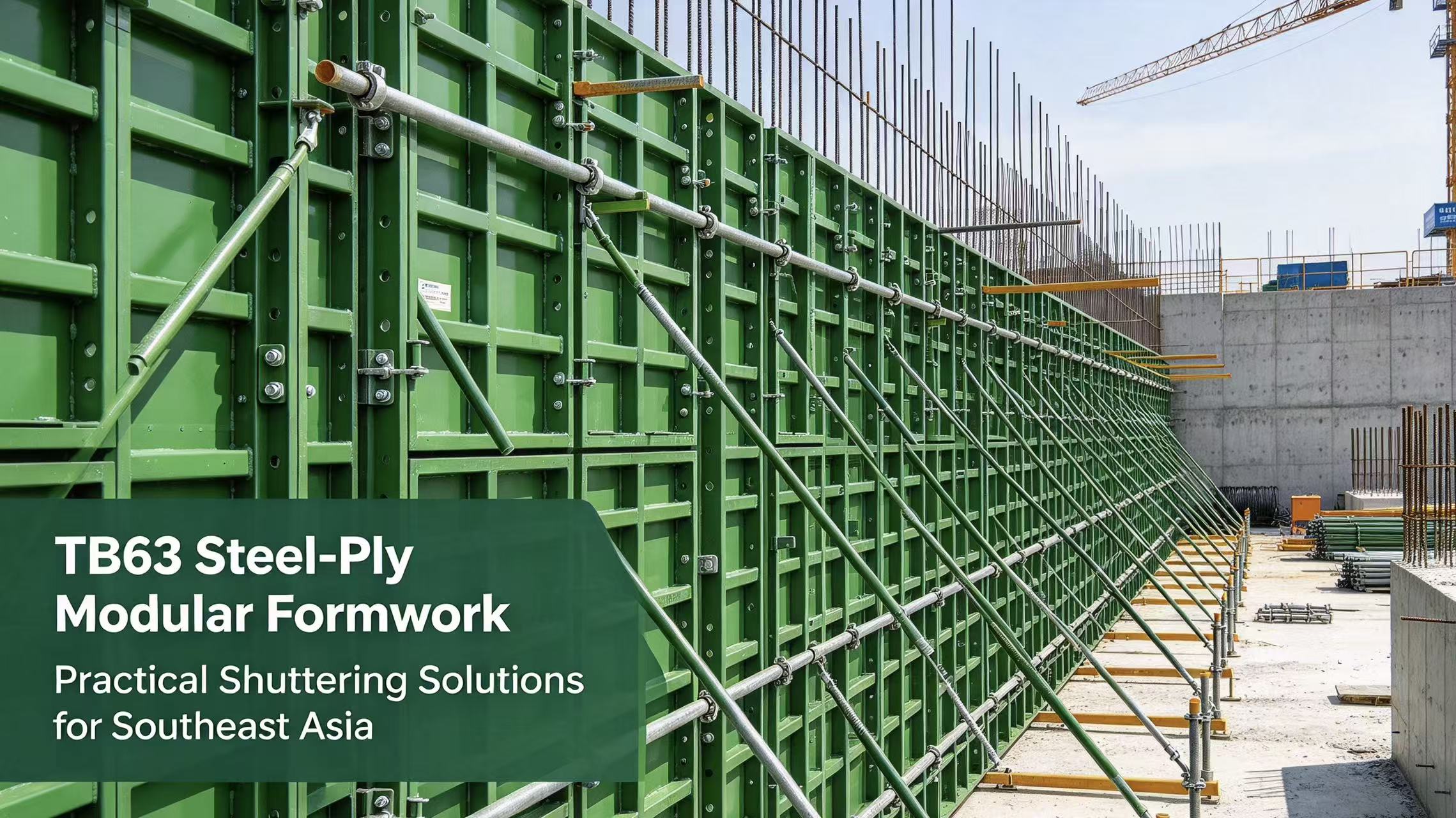
Introduction
The construction industry is undergoing three major transformative waves in 2026: soaring labor costs drive demand for lightweight construction solutions, dual-carbon policies fuel the adoption of recyclable low-carbon building materials, and Belt & Road overseas infrastructure projects boost the standardized export of Chinese formwork products.
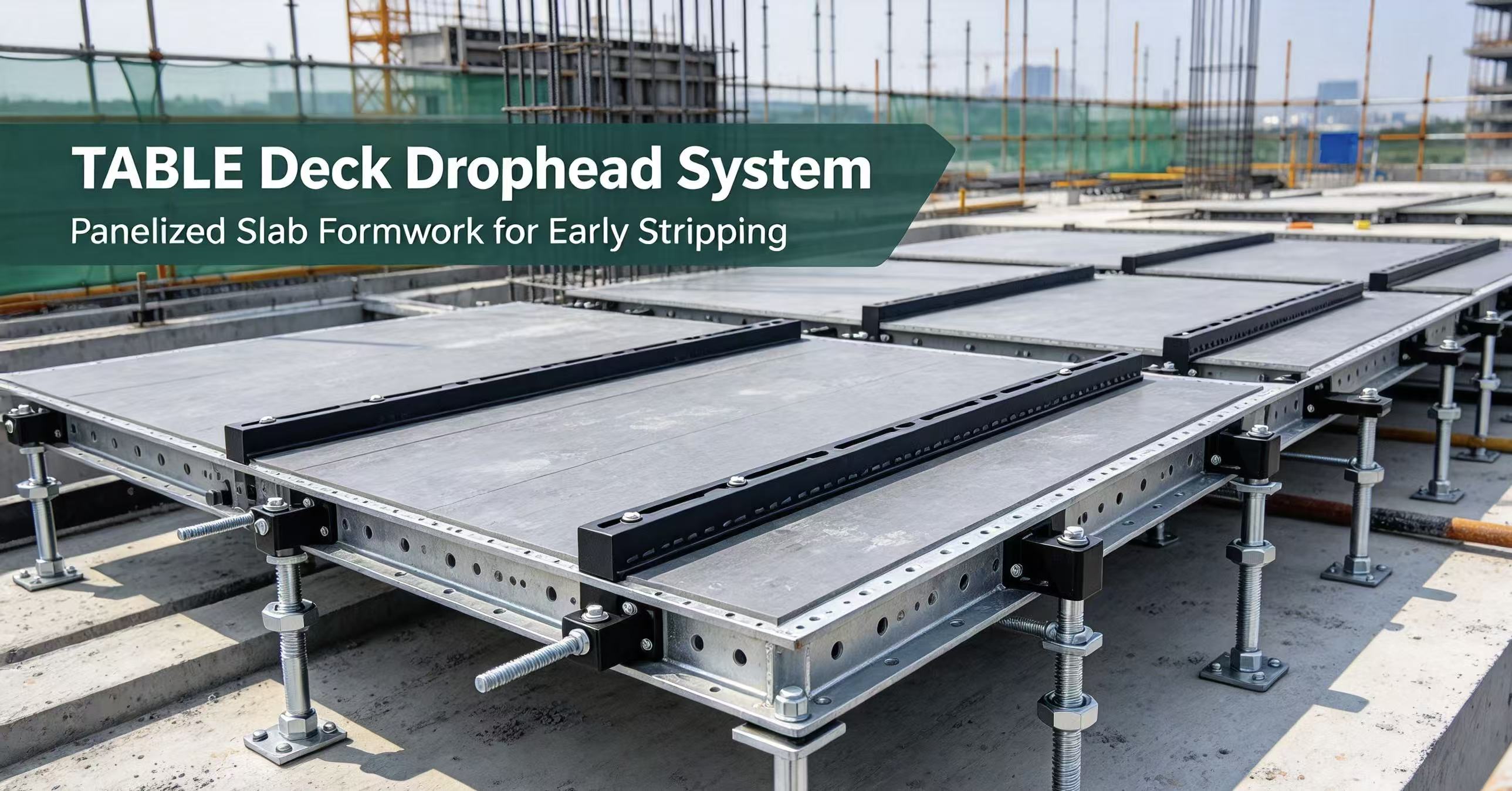
Traditional heavy, complicated-to-assemble wood formwork and old-style integral steel formwork are gradually being phased out. As a representative modular early-stripping system, the TABLE Deck Drophead Slab Formwork System has become the most popular new construction trend this year. It perfectly meets four core industry demands: cost reduction, efficiency improvement, environmental sustainability and global market expansion.
Trend 1: Lightweight Modular Design — Assemble Flat-Pack Panels Just Like IKEA Furniture
The biggest pain point plaguing the construction sector is labor shortage. Conventional formwork weighs over 40kg per piece, requiring two workers to carry and posing severe safety risks for high-altitude operations. The new-generation modular slab formwork completely revolutionizes manufacturing logic: frames are not integrally welded, but split into separate knockdown components. Just like flat-pack home furniture, all parts can be disassembled for shipping and bolted together on-site.
Core On-Site Benefits
1.Single-worker operability, all components under 20kg
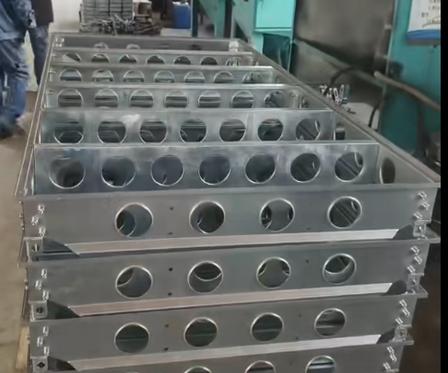
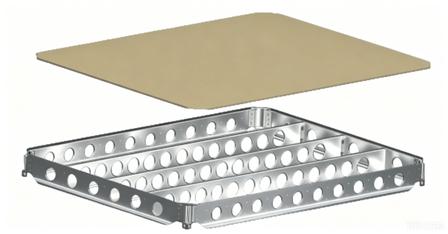
Panels are fabricated from high-strength Q700 Zn-Mg-Al steel and S690QL structural steel with hollow lightweight cutouts. The lightest filler beam only weighs 5.2kg, while the largest standard panel (1.8m×0.9m) weighs merely 32kg. Field tests prove one worker can erect 100 sq.m and strip 200 sq.m of formwork per day, drastically lowering the risk of waist injuries. It is highly suitable for labor-shortage job sites across Southeast Asia and the Middle East.
2.Only 3 core components, fully compatible with mainstream shoring systems
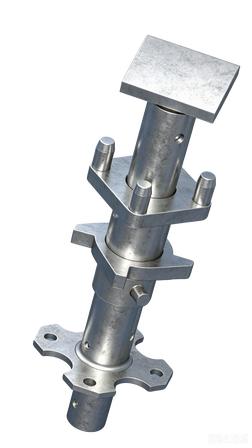

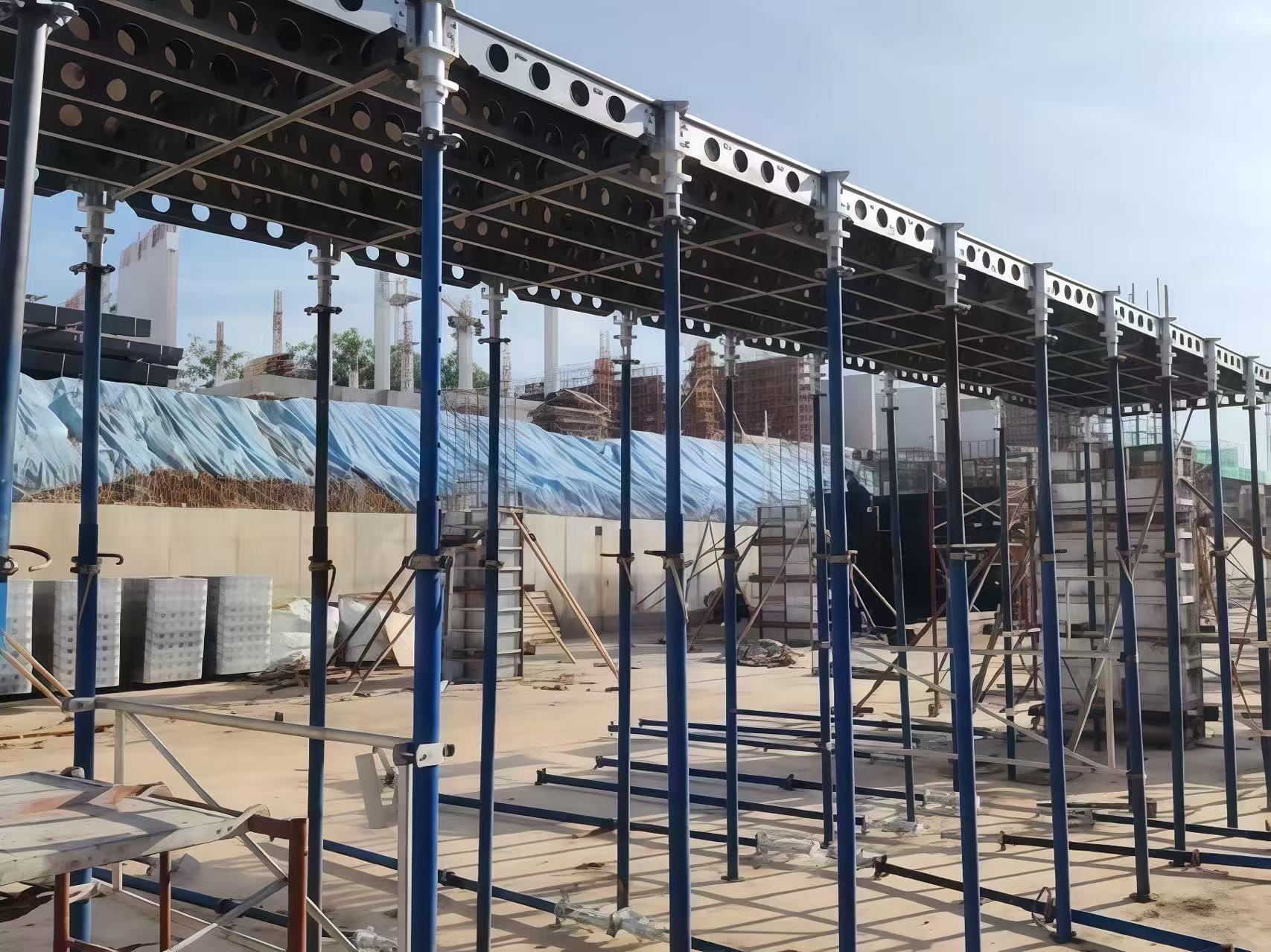
The whole system consists of three basic parts: formwork panel, quick-release drophead and adjustable steel prop, with no complex extra accessories. It seamlessly fits Ring Lock, Kwikstage and Crab shoring systems (300mm / 500mm modular sizes). One single formwork set fits high-rise residential buildings, factories, public facilities and large-span underground parking lots, delivering outstanding versatility.
3.Flat-pack delivery cuts ocean freight costs by 40%
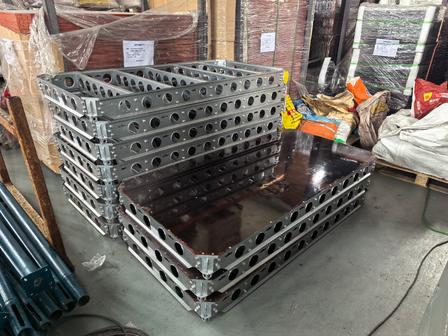
All disassembled flat components maximize container loading capacity, unlike bulky integral steel formwork that wastes shipping space. This advantage perfectly caters to the surging export trend of Chinese formwork to Southeast Asia, the Middle East and Australia, making it a standard choice for overseas EPC projects.
Trend 2: Quick-Release Drophead Early-Stripping Tech Boosts Efficiency by 3–5 Times
Early stripping technology is the core competitive advantage of the 2026 formwork industry, and the exclusive TABLE quick-release drophead is its game-changing core component. It eliminates the long-standing flaw of traditional formwork: full concrete curing is no longer required before stripping, which slashes the total amount of formwork inventory on projects.
Industry-Reinventing Advantages
1.Strip panels early while retaining vertical supports, halving formwork stock
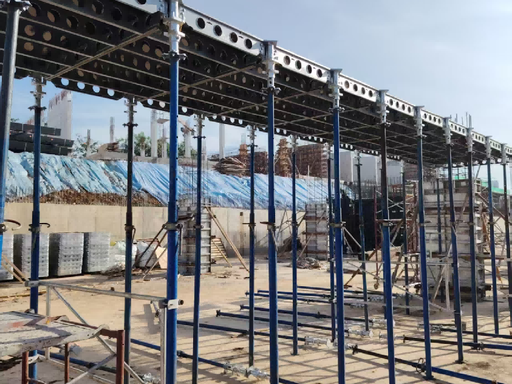
Once floor concrete reaches 50% of its designed strength, workers can remove panels for turnover while steel props stay in place to support slab curing. Traditional wood formwork requires 3–4 complete sets for cyclic use, while the early-stripping system only needs 1.5 sets, cutting upfront material investment by over 60% and delivering long-term cost savings for self-operated or rental formwork fleets.
2.No prop disassembly needed, cross-layer construction shortens project timeline by 30%
Stripping panels will not disturb vertical support structures. Workers can strip and transfer panels on lower floors, erect new formwork for upper floors, and carry out interior finishing simultaneously. The single-floor construction cycle shrinks from 7 days to 3–4 days. Real-world projects in Kajang (Malaysia) and Suzhou Industrial Park have proven high-rise construction periods can be shortened by 2 months.
3.Self-locking rigid structure, stable without horizontal cross braces

Panels are equipped with engineered automatic wind locks for rigid interlocking. The whole framework stays stable and collapse-proof even without extra horizontal bracings, removing hours of extra assembly work on site.
Trend 3: Green & Circular Design Meets Global Low-Carbon Construction Standards
Low-carbon building codes have become mandatory worldwide. One-time wood formwork is restricted in new construction projects across Europe, America and Southeast Asia, making recyclable modular steel formwork an essential solution.
1.Hundreds of reuse cycles, near-zero construction waste
Zn-Mg-Al anti-corrosion high-strength steel resists rainwater and concrete erosion, supporting over 100 turnover cycles. Only the plywood surface needs replacement after wear, while steel frames can be reused permanently. In contrast, wood formwork can only be recycled 5–8 times before scrapping, reducing solid construction waste by 90%.
2.Formed fair-faced concrete eliminates plastering and carbon emissions
Rigid hollow steel frames deliver ultra-smooth concrete surfaces after pouring, meeting fair-faced concrete standards. Plastering procedures are completely removed, cutting massive cement and mortar consumption and reducing carbon emissions for large-scale construction projects. It also helps construction firms score higher ratings for green building certifications.
3.100% recyclable all-steel components fit circular economy rules
All steel parts can be fully disassembled, recycled and remelted upon project completion with no solid waste disposal fees. It complies with EU EN environmental standards and domestic green site assessment requirements, ranking as the top choice for overseas green infrastructure projects.
Trend 4: Standardized Chinese Formwork Goes Global — International Certifications Become Core Competitiveness
Export volumes of modular steel formwork from China keep rising in 2026, with customs data showing a 14% year-on-year growth. Infrastructure developments in Southeast Asia, the Middle East and Africa widely adopt Chinese formwork technologies, where international standard compliance is the critical threshold for market access.
1.EN1065 Class A & B certified adjustable steel props
Matching steel props have two grades: Class A lightweight props for low-to-medium load residential buildings, and Class B heavy-duty props for factories and high-formwork heavy-load scenarios. Tubes adopt outer tubes (60×2.3/2.5mm Q235A) and inner tubes (48×2.3/2.75mm Q355B), fully satisfying safety codes in Europe, Southeast Asia and the Middle East. No secondary inspection is required for projects in Saudi Arabia and Malaysia.
2.Globally unified modular panel dimensions
Standard panel sizes DP189 (1.8m×0.9m) and DP99 (0.9m×0.9m) fit mainstream floor heights worldwide. Four filler beam sizes (600/900/1500/1800mm) easily fill irregular edge gaps, adapting to non-standard residential layouts, large-span factories and underground parking lots.
3.Complete English-language construction system for overseas teams
A standardized 6-step erection manual in English is provided for all sets. Local laborers can complete assembly without senior skilled technicians by following diagrams. Manufacturers also offer one-stop services including drawing optimization and on-site technical guidance, realizing full-set export of Chinese formwork and construction standards.
Comparative Analysis: Why Modular Drophead Formwork Outperforms Traditional Solutions
| Comparison Item | Conventional Wood Formwork | Old Integral Steel Formwork | TABLE Modular Drophead Slab System |
| Single component weight | 25–35kg | 45–60kg | 5.2–32kg; max 20kg for single-worker lifting |
| Single-floor cycle | 7 days | 6 days | 3–4 days, efficiency ×3–5 |
| Reuse cycles | 5–8 times | 30–40 times | Over 100 times; permanent steel frame reuse |
| Required formwork sets | 3–4 sets for turnover | 2–3 sets for turnover | Only 1.5 sets, 50% lower upfront cost |
| Shipping performance | Fragile full panels, low container utilization | Bulky integral frames, expensive ocean freight | Disassembled flat packs, 40% freight savings |
| Global compliance | No international certification, limited by environmental rules | Excessive weight raises labor costs | Disassembled flat packs, 40% freight savings |
| Low-carbon performance | Disposable, massive solid waste | Recyclable yet high transport carbon footprint | Full steel recycling, plaster-free carbon reduction |
Full-Scenario Application: Must-Choice Formwork for All 2026 Construction Projects
1.High-rise residential & resettlement housing: Standard repetitive floors maximize early-stripping turnover and shorten overall delivery timelines.
2.Large-span factories, data centers & exhibition halls: Lightweight shoring with high bearing capacity fits slabs over 8m span.
3.Basements & underground parking lots: Zn-Mg-Al anti-rust steel resists long-term humid underground environments without deformation.
4.Belt & Road overseas EPC projects: Standardized sizing, international certifications and low shipping costs make it ideal for mass adoption in Malaysia, Indonesia, Cambodia and beyond.
5.Prefabricated construction matching: Perfectly fits cast-in-situ joints of PC precast components to solve complex formwork challenges for prefab assembly buildings.
Conclusion
Four irreversible trends define the 2026 formwork sector: lightweight design, modular assembly, quick early-stripping technology, and low-carbon global export. The era of heavy, inefficient traditional formwork is fading. Construction crews can now assemble slab support systems as easily as flat-pack furniture.
The TABLE Deck Drophead Slab Formwork System balances cost reduction, efficiency, safety, sustainability and global market adaptability all in one standardized package. It is redefining modern construction standards and becomes the core strategic product for construction contractors and formwork rental companies to expand production capacity and capture domestic and international market shares.
Brand Info
TABLE Shoring & Formwork Address: Unit 507, C-7 (Our Building), No.328 Xinghu Street, Suzhou Industrial Park, Jiangsu Pilot Free Trade Zone, Suzhou, China Tel: +86 512 65199851 | Fax: +86 512 65199851 Email: tableshoring@gmail.com / tableformwork@gmail.com Website: www.tableformwork.com | www.tableshoring.com
Would you like me to shorten this blog into a concise LinkedIn marketing version or a short-video script for overseas social media promotion?