1. By the Numbers: How Hot Is Central Asia and Russia's Infrastructure Market?
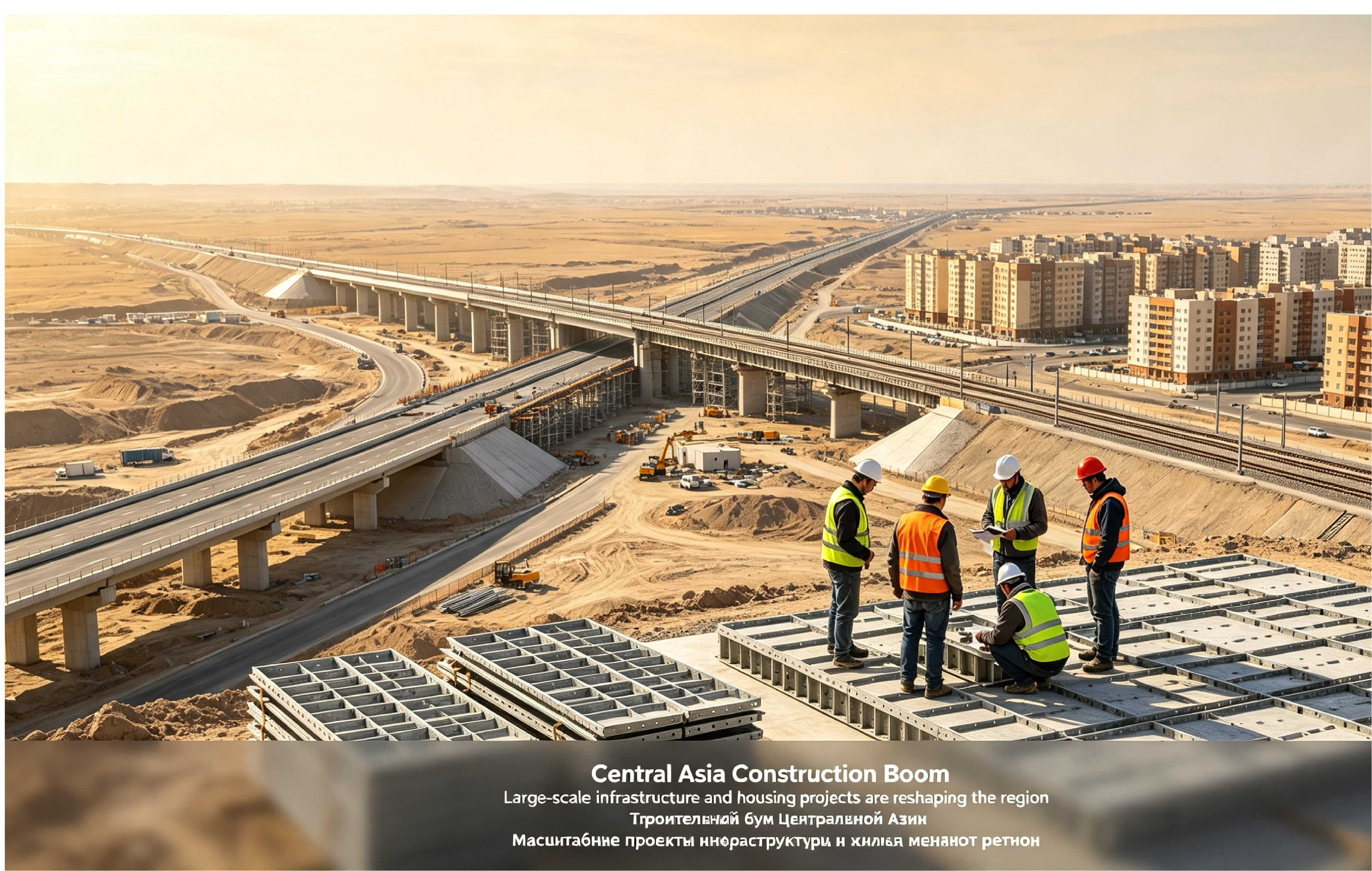
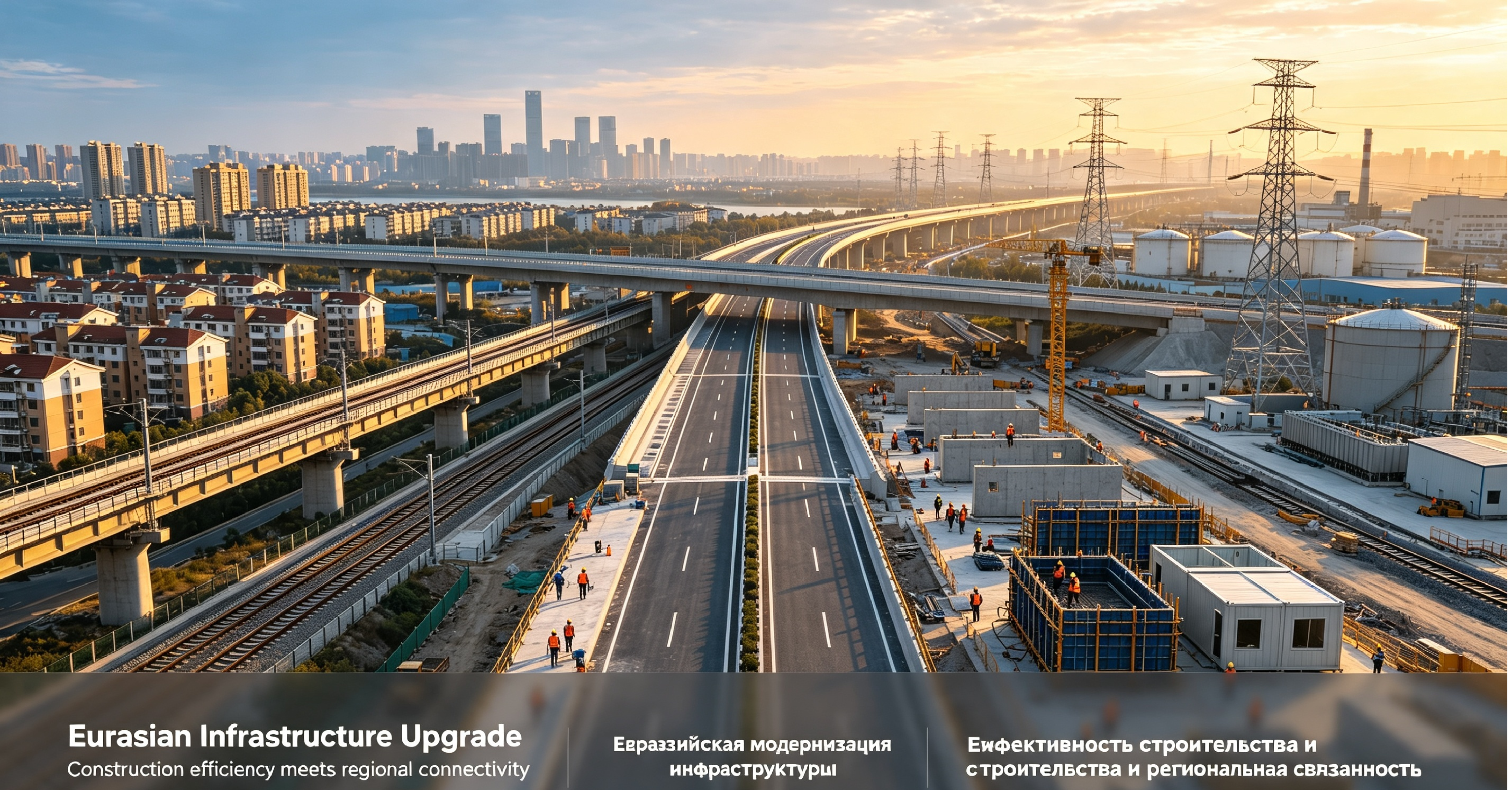
While compiling a list of infrastructure projects across Eurasia recently, I was struck by a set of figures: the Eurasian Development Bank's latest update of the Eurasian transport network project portfolio shows 402 projects with total investment exceeding $345 billion, with Central Asia alone accounting for one-fifth.
These aren't abstract numbers—they represent a construction wave that's genuinely happening. From the modernization of Kazakhstan's Dostyk-Moyynty railway (increasing capacity fivefold), to Turkmenistan's Ashgabat-Mary-Turkmenabat highway, Kyrgyzstan's Kök-Art tunnel, and Tajikistan's Obigarm-Nurobod highway section, all of Central Asia feels like one giant construction site.
Russia isn't standing still either. In 2026, the national project "Infrastructure for Life" plans to deliver approximately 400 bridges and overpasses. Moscow's modular construction technology can already produce "one building module every 48 minutes," with construction speeds 2-3 times faster than traditional methods.
Quick Overview of Central Asia's Five Countries' Infrastructure Markets
| Country | Key Infrastructure Developments | Construction Market Characteristics |
| Kazakhstan | First nuclear power plant launched, railway modernization, "Nurly Zher" housing initiative | Industrial construction policy driving rapid growth of aluminum formwork industry |
| Uzbekistan | Large-scale urban renewal and transportation projects, housing shortage of ~1.5 million units | Building materials market expected to exceed $5 billion by 2026, significant gap in high-end categories |
| Kyrgyzstan | Construction industry grew 20% in 2025, government heavy investment in infrastructure and housing | High recognition of Chinese building materials, strong demand for formwork and scaffolding |
| Tajikistan | CASA-1000 cross-border power transmission line, highway infrastructure upgrades | Lightweight, durable green building materials favored |
| Turkmenistan | Key sections of the International North-South Transport Corridor (INSTC) | Dual drivers of energy and transportation infrastructure |
2. Behind the Hype: Three Overlooked Construction Pain Points
More projects and larger investments sound like good news. But after talking with several friends working on construction projects in Central Asia, I've found that behind the impressive numbers, construction-side challenges are more severe than imagined.
Pain Point 1: Efficiency Can't Keep Up with Scale
Tashkent is currently full of high-rise residential buildings under construction. A local friend said, "There are truly many projects, but progress is also truly slow." Traditional formwork systems are cumbersome to install and dismantle—just setting up formwork for one floor slab takes several days, and on tight-schedule projects, even round-the-clock workers may not be able to keep up.
This isn't a problem unique to one country. From Almaty to Bishkek, from Dushanbe to Ashgabat, almost any multi-story residential or commercial building project faces the same dilemma—low formwork turnover efficiency directly slows down the overall construction pace.
Pain Point 2: Dual Pressures of Labor Costs and Skills
Central Asia has a young demographic structure, but the gap in skilled construction workers is actually quite significant. Especially for technical formwork trades that require both experience and physical stamina, recruitment costs are rising year by year.
Russia's situation is even more typical. Labor shortages in the construction industry have been a longstanding issue, which is why Moscow and other cities are aggressively pushing modular construction—shifting 80% of the workload to factories, with only assembly required on-site. This both reduces reliance on manual labor and ensures stable quality.
Pain Point 3: Logistics Are Truly Difficult
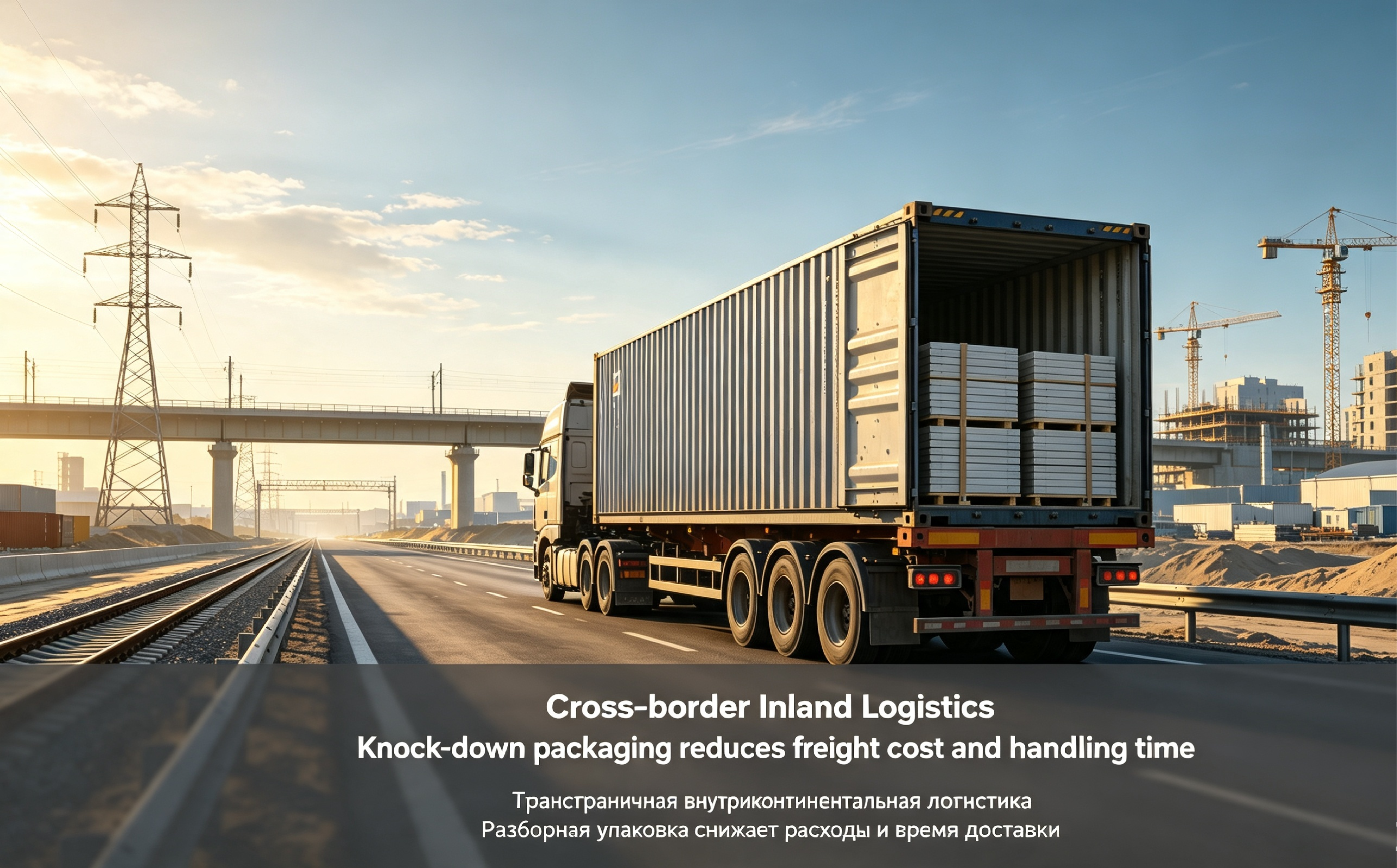
Most Central Asian countries are landlocked, and transportation costs and lead times for large construction equipment and materials are high. Particularly for those integrated welded large formwork frames, containers can't hold very many, and freight costs add up to staggering amounts.
A friend in building materials exports complained to me, "For goods of the same value, logistics costs to Central Asia can account for one-third of the product value, not counting customs clearance and inland transit time." That's why local projects are particularly sensitive to building materials that are "easy to transport."
3. A Noteworthy Trend: Modular Formwork Is Quietly Gaining Traction
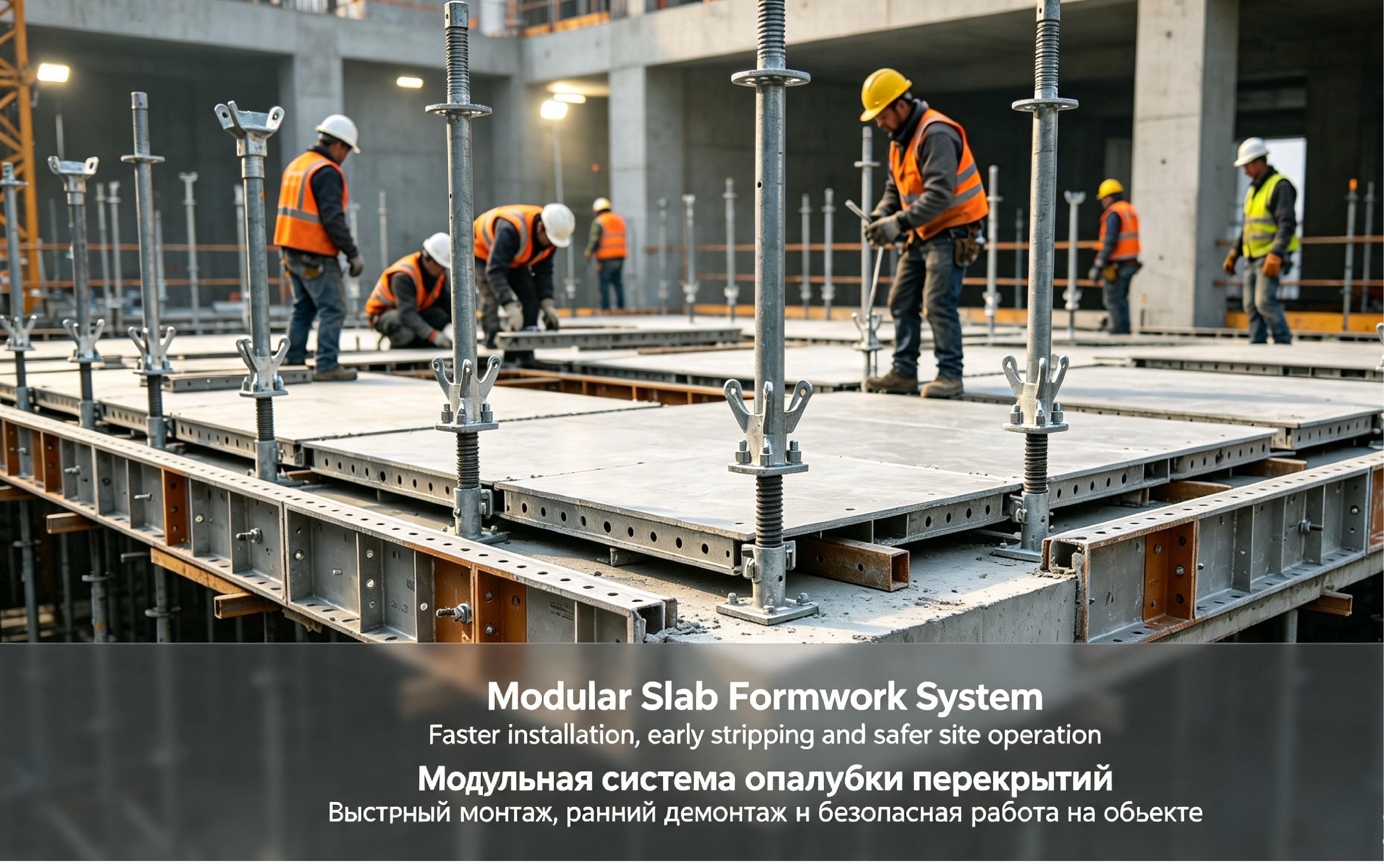
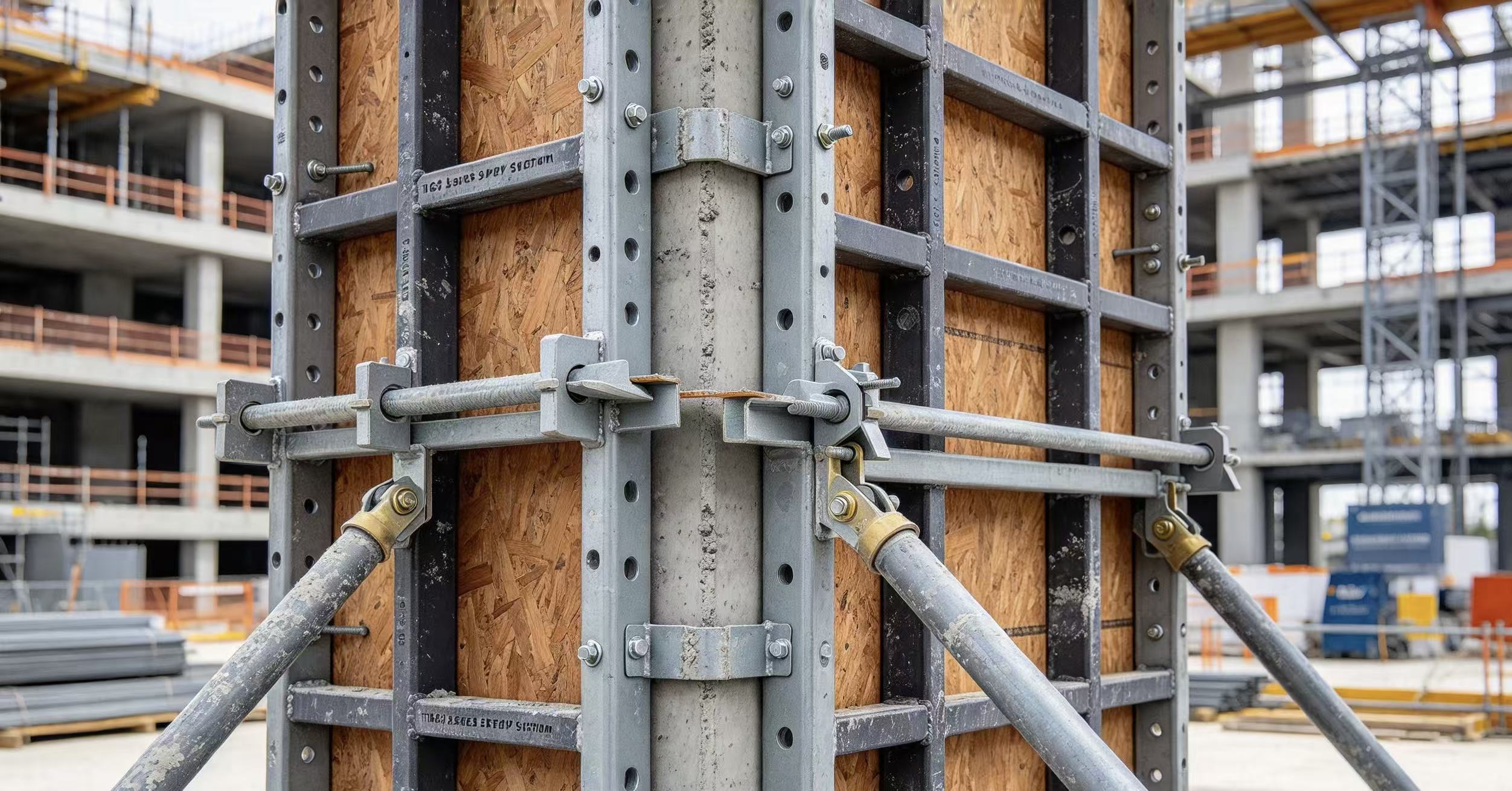
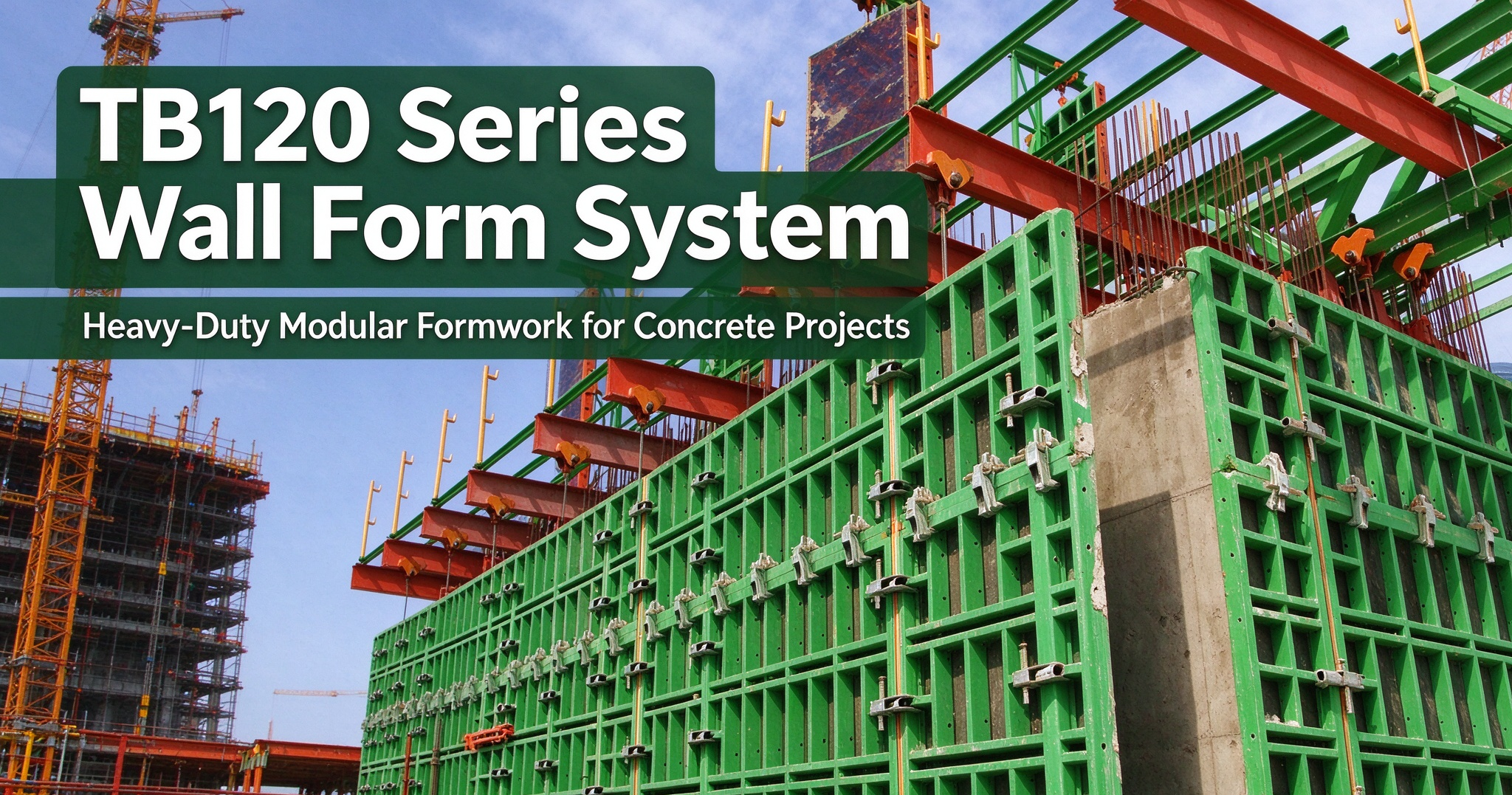
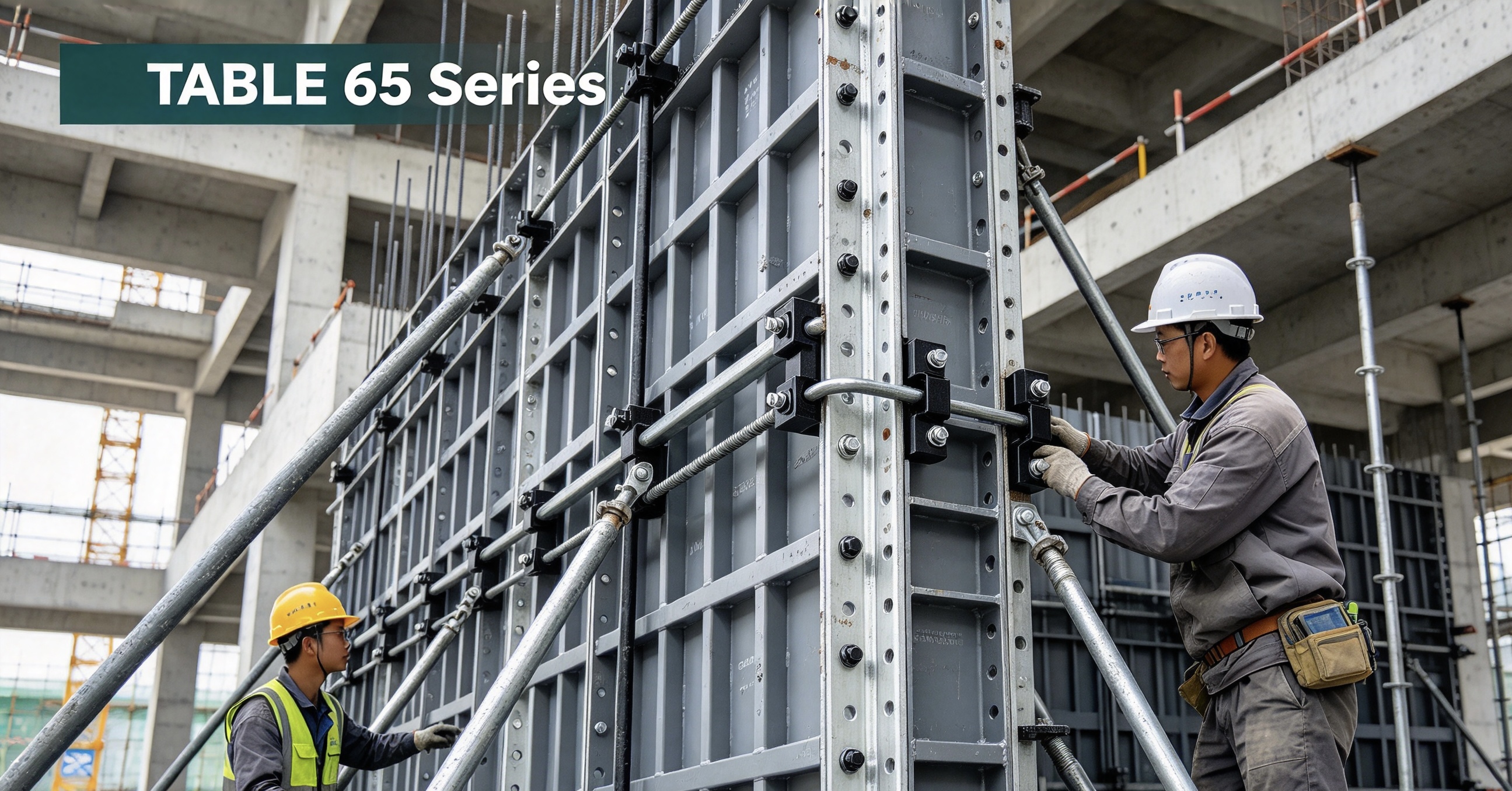
Interestingly, these pain points are giving rise to a small but fast-growing market segment—modular formwork systems.
I first noticed this trend in Tajikistan, where local projects began extensively using lightweight, reusable formwork panels. Workers reported that "it's so much lighter than traditional wooden formwork, saving a lot of effort in high-rise construction." Later in Tashkent, Uzbekistan, I also saw large-panel formwork becoming increasingly prevalent in multi-story residential projects.
Why is modular formwork suddenly gaining popularity? Simply put, it precisely addresses the three pain points mentioned above:
- Efficiency: Modular design means faster installation and dismantling, with more formwork turnover cycles, significantly compressing overall project timelines
- Labor: Simple systems with fewer components mean workers don't need extensive training to get started, and individual handling weights are manageable
- Logistics: Detachable modular design allows flat-pack shipping for high container utilization, saving substantially on freight costs
4. How One Product Illustrates the Evolution of Central Asian Construction Solutions
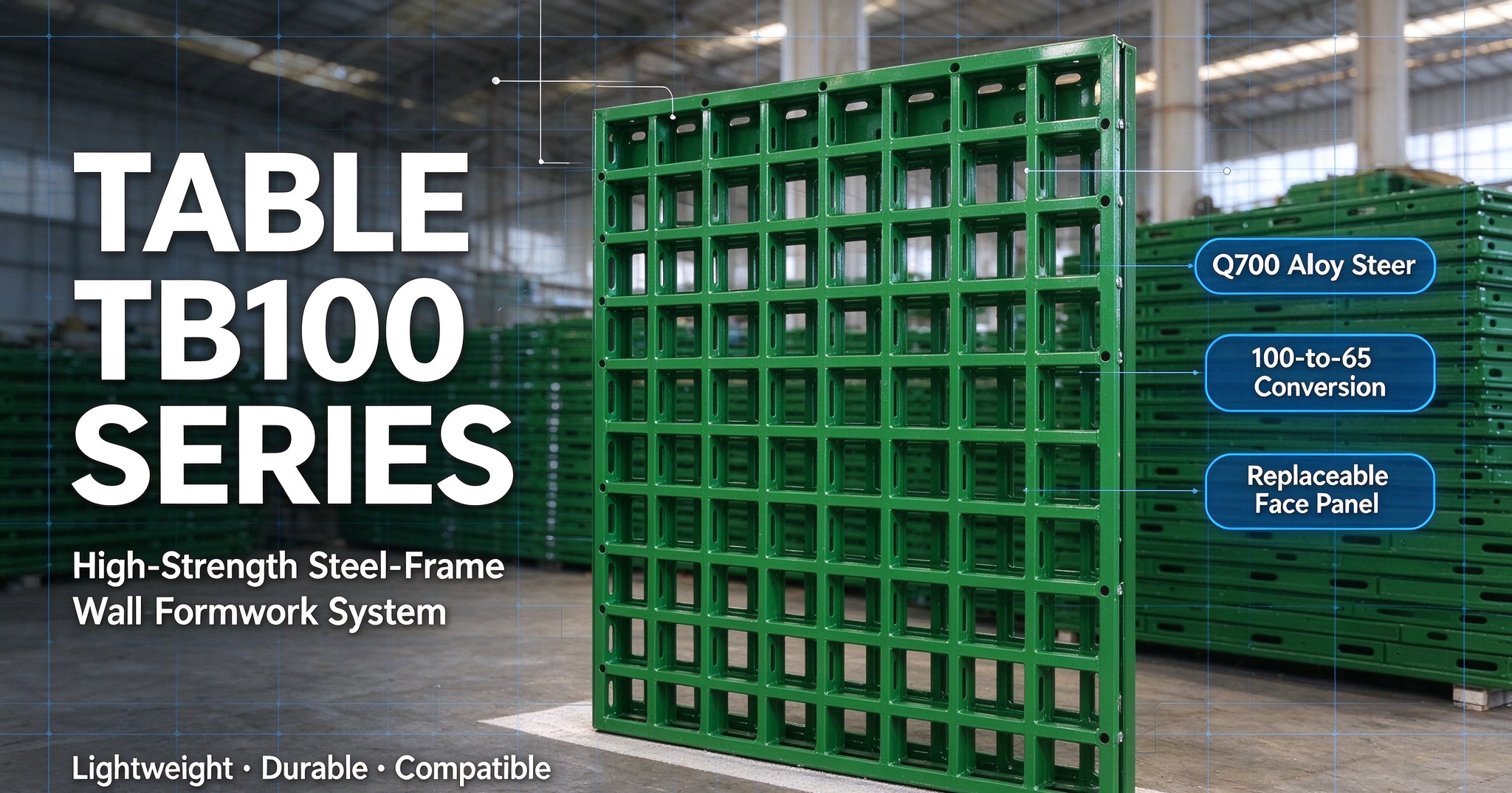
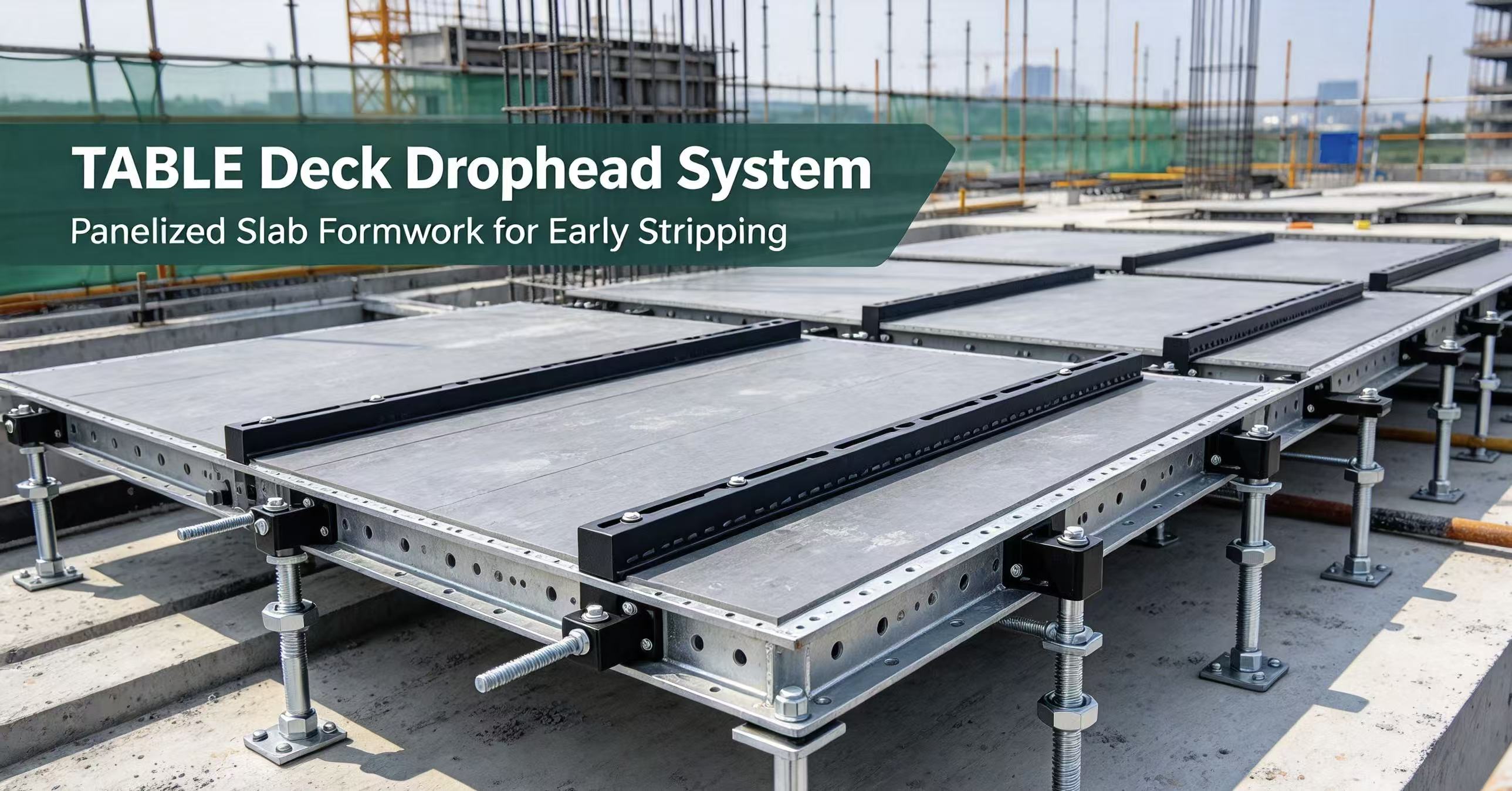
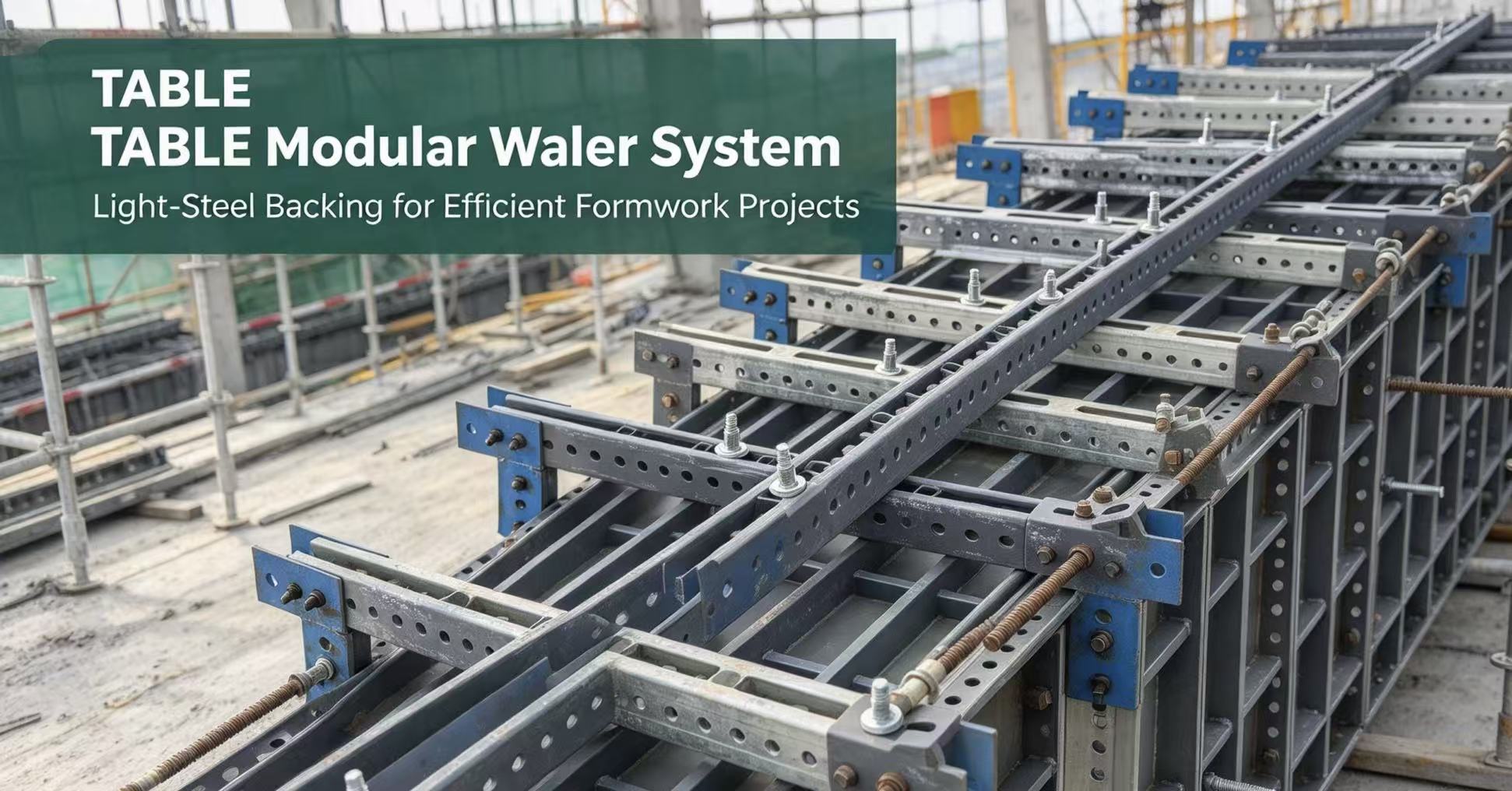
I recently came across a slab formwork system called the TABLE Deck Drophead System, and found it quite representative. It makes a good case study for understanding how good modular formwork actually solves real-world problems.
Let me start with the most intuitive impression: this system's design philosophy is a lot like IKEA furniture—instead of welded integral frames, it features a knockdown component structure. Panels, dropheads, and props—three basic components are all you need to set up a complete slab formwork system.
First, transportation-friendliness is considered from the design stage.
Traditional welded formwork frames are bulky, and a 20-foot container can't hold very many. But with this detachable modular design, everything breaks down into flat pieces for much higher loading efficiency. For markets like Central Asia with high inland transportation costs, the savings on freight alone are substantial.
Second, the early stripping design genuinely boosts efficiency.
Its drophead early-stripping design allows panels and props to be removed early once the concrete reaches sufficient strength, leaving only the dropheads providing continuous support. Official data claims efficiency increases by 3-5 times. With more formwork turnover cycles, material costs naturally come down.
This is especially important for housing projects on tight schedules—if each floor slab can be completed one or two days faster, for a twenty-story building, the overall timeline can be shortened by more than a month.
Third, being worker-friendly means being project cost-friendly.
The entire system uses Q700 Zn-Mg-Al high-strength steel, weighing significantly less than traditional steel formwork. Individual components are kept under 20 kg, so average workers can handle them without needing specialized heavy lifters, also reducing safety hazards during construction.
The official efficiency figures are: 100 square meters installed per person per day, 200 square meters dismantled. If these numbers hold up in actual projects, they're quite attractive for Central Asian markets where labor costs are rising.
Fourth, compatibility is a key point that's easy to overlook.
Anyone in construction knows that equipment on job sites rarely comes from a single brand. Whether a new system can integrate with existing support systems directly determines procurement costs.
The advantage of this system is its compatibility with multiple common support systems including Ring Lock, Kwikstage, and Crab shoring. There's no need to replace all existing scaffolding—projects can upgrade gradually with much less investment pressure.
5. Final Thoughts: Infrastructure Upgrade Starts with the Invisible Details
When discussing Central Asian infrastructure, people often focus on whether railways are open, how many kilometers of highways have been built, or where nuclear power plants are located. These are indeed big news. But what truly determines the quality and speed of construction in a region are often the "invisible" things—like whether formwork systems are effective, whether construction techniques are advanced, or whether building material supply chains run smoothly.
The infrastructure wave in Central Asia's five countries and Russia continues, with many more projects to come in the years ahead. But investment alone isn't enough—supporting technologies and solutions are needed to deliver on it. Construction technologies that seem unremarkable, like modular formwork, are actually an important piece of the puzzle in infrastructure upgrading.
When efficiency goes up, costs come down, and quality stabilizes, local infrastructure can truly become sustainable. After all, infrastructure isn't a competition of who breaks ground on the most projects—it's about who builds faster and better.
For Chinese building materials and construction equipment companies, this is also a market worth deepening—not through low-price competition, but through products and solutions that truly solve local pain points. Products like the TABLE Deck Drophead System, which comprehensively adapt to Central Asian market needs across transportation, installation, efficiency, and compatibility dimensions, should become increasingly common.