Concrete formwork acts as the mould for concrete works, determining construction finishing quality, project schedule, overall cost and construction waste output. Against the backdrop of rapid global urbanization, low‑carbon policies and labour shortages in the building sector, the formwork industry is undergoing profound changes. Competition is no longer limited to raw‑material prices; the sector is shifting toward material innovation, digital‑driven workflows, rental‑oriented services and full‑life‑cycle circular management.
Trend 1: Modular Reusable Formwork Gradually Replaces Traditional Timber Formwork
Traditional plywood formwork consumes forest resources and offers limited reusability, generating massive construction waste upon disposal. Its market share keeps declining under global environmental regulations.
Aluminium formwork, steel formwork systems and modified recycled‑PP plastic formwork are gaining mainstream adoption worldwide.
- Aluminium formwork: Widely applied in high‑rise residential projects. It can be reused hundreds of times, delivers smooth concrete surfaces and enables plaster‑free construction. Drawbacks include higher custom costs for irregular structures, making it ideal for projects with repetitive standard floor layouts.
- High‑performance plastic formwork: Resistant to water and saline‑alkali environments, performing well in coastal, underground and chemical‑industry projects. Used panels can be melted and remanufactured to build a closed‑loop material cycle.
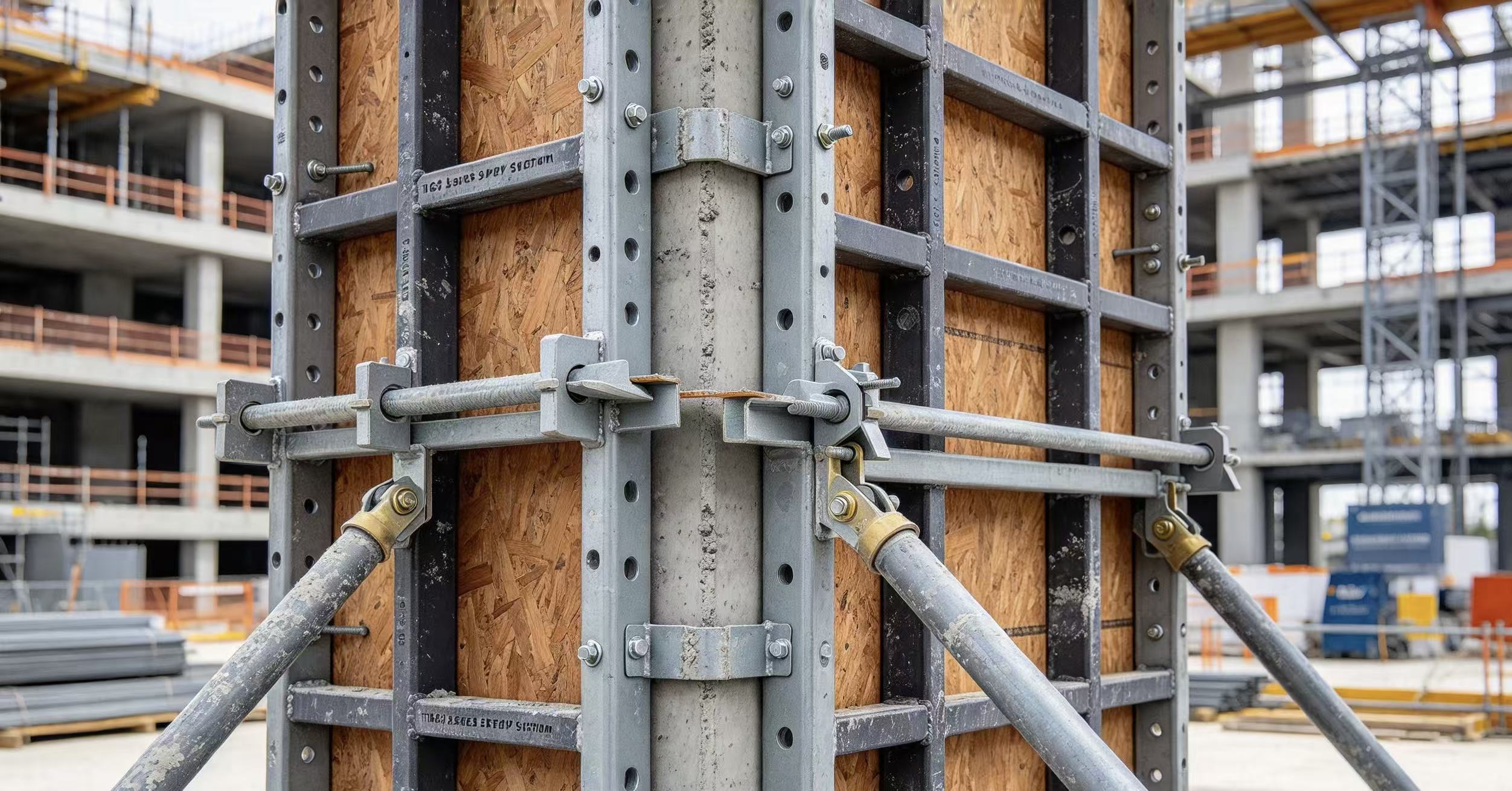
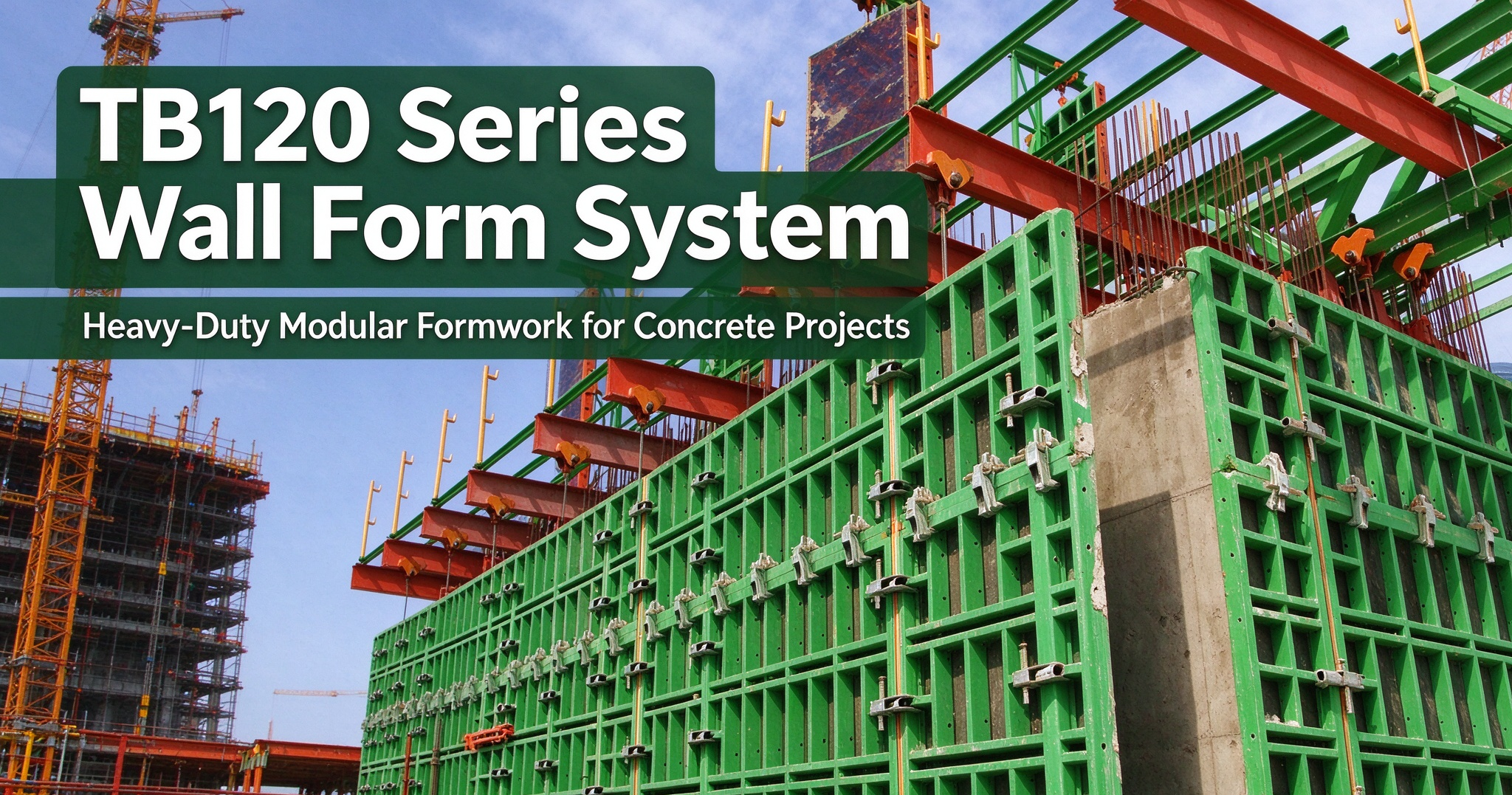
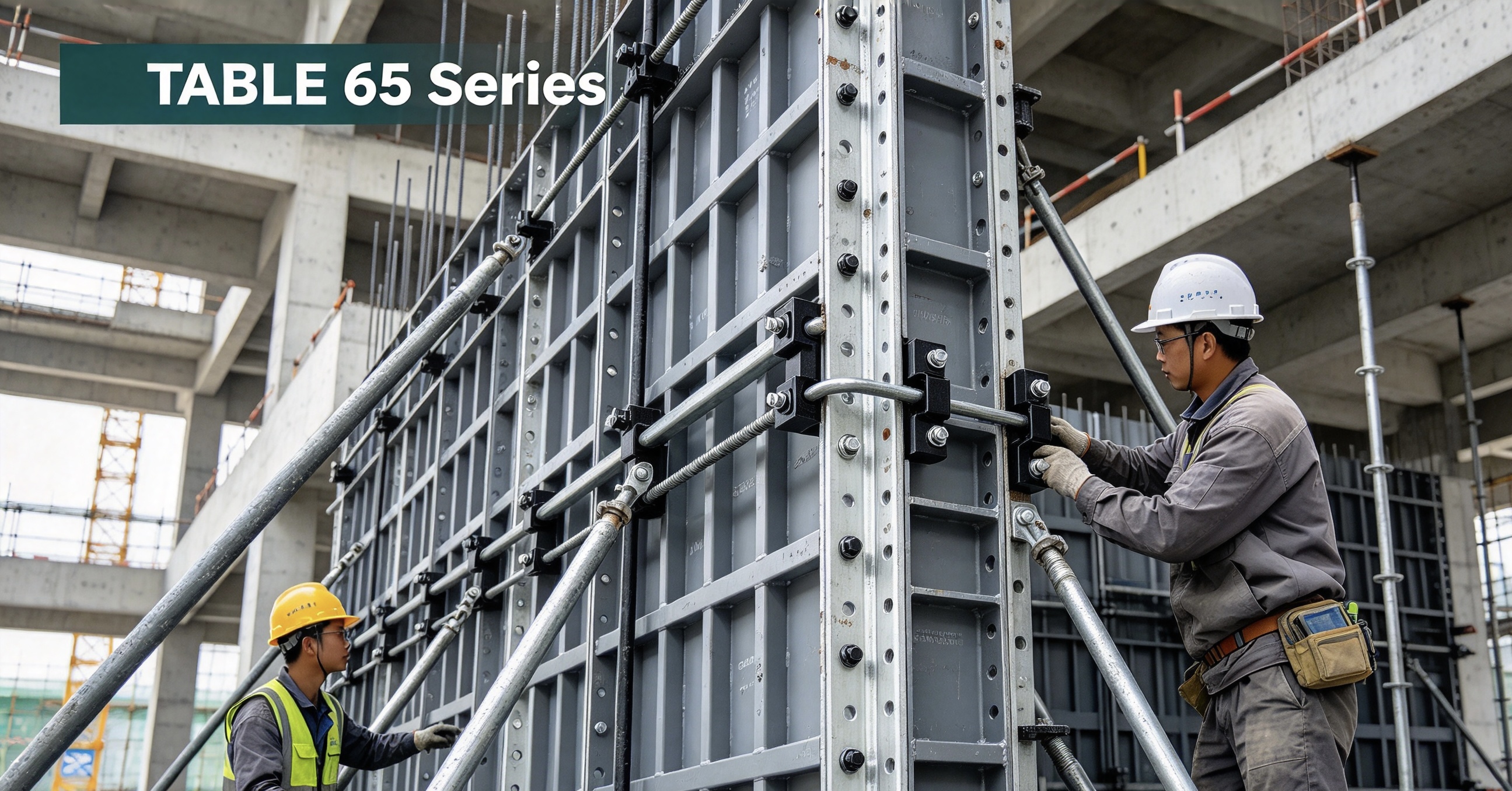
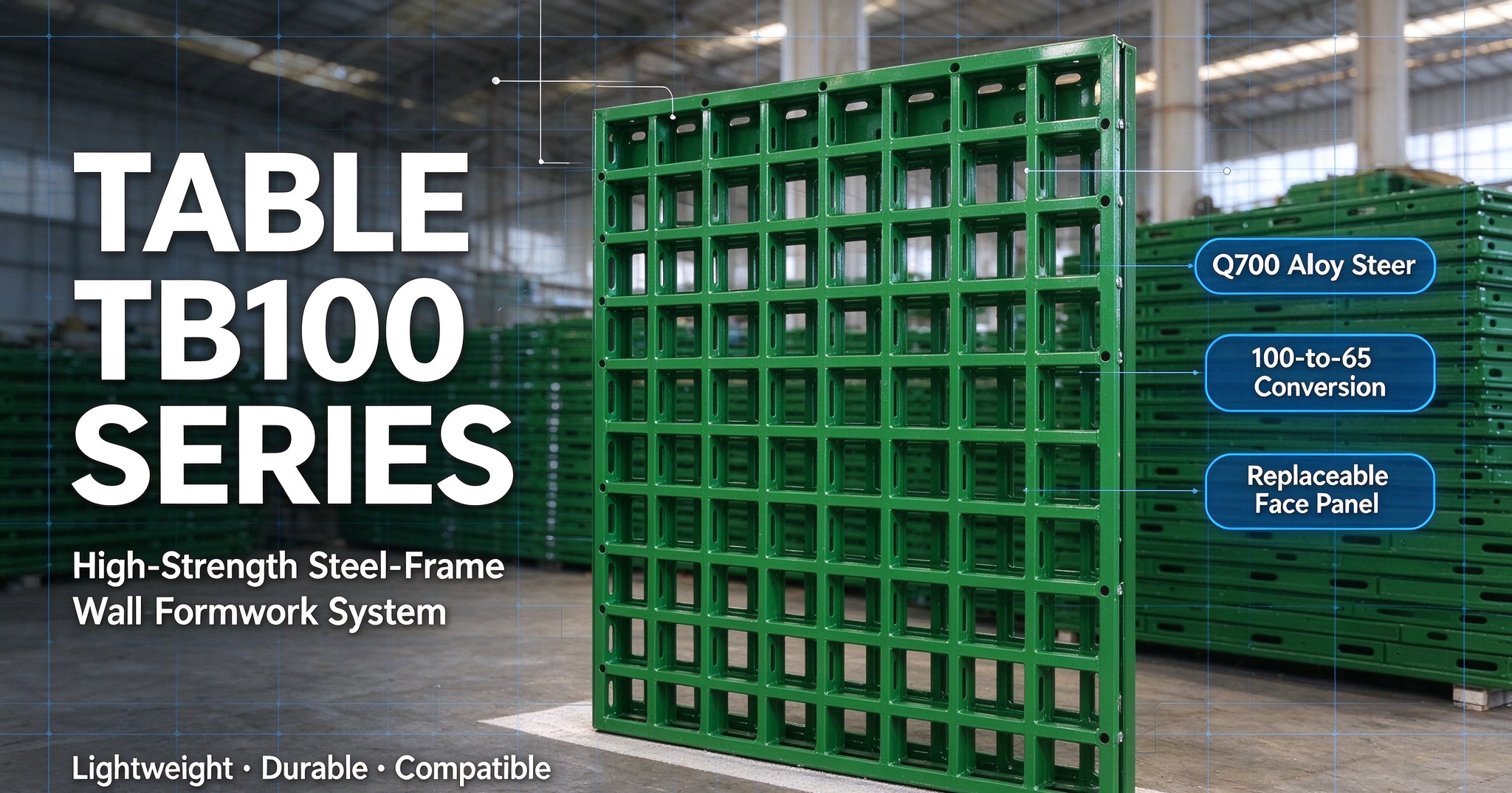
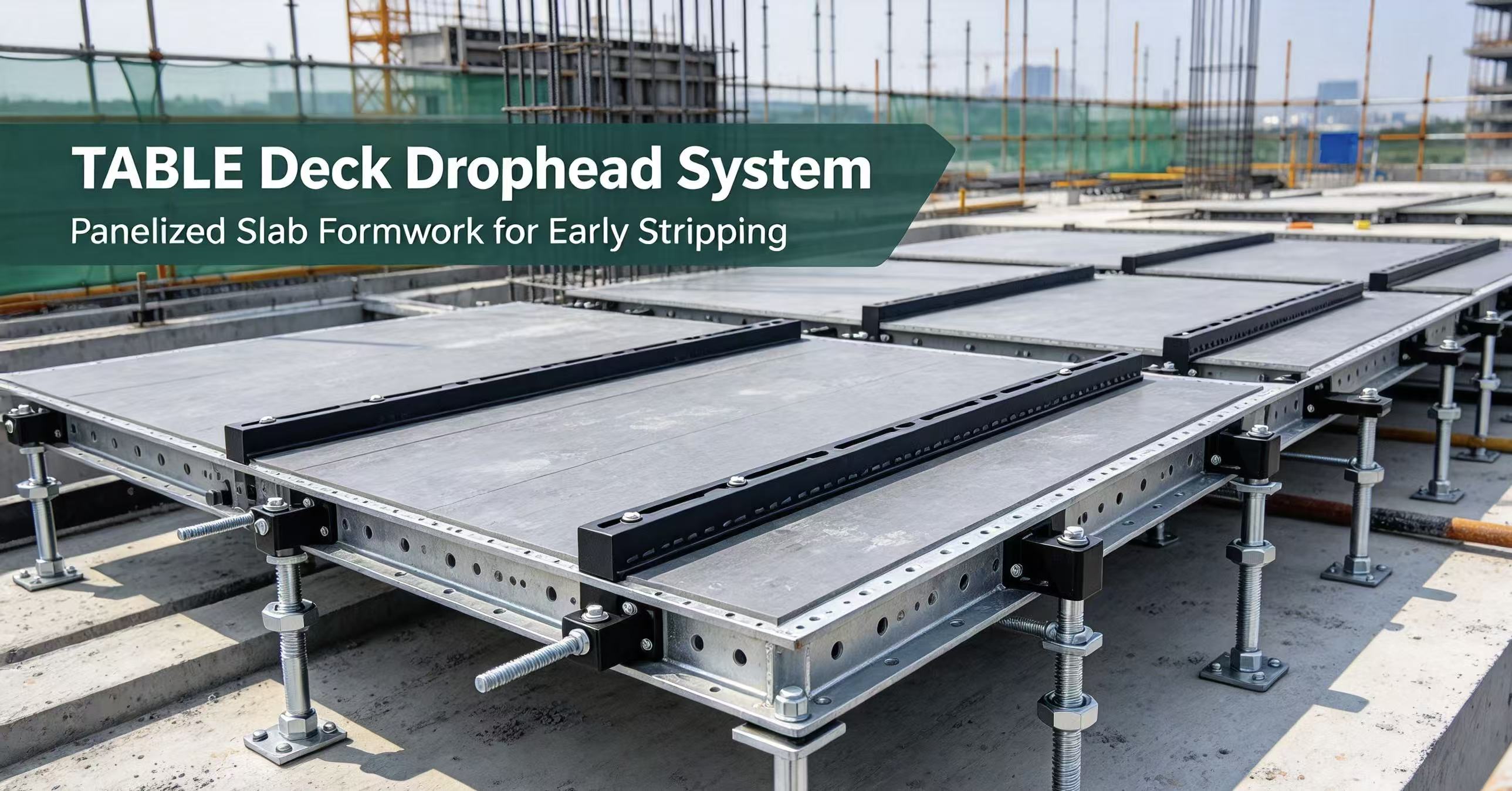
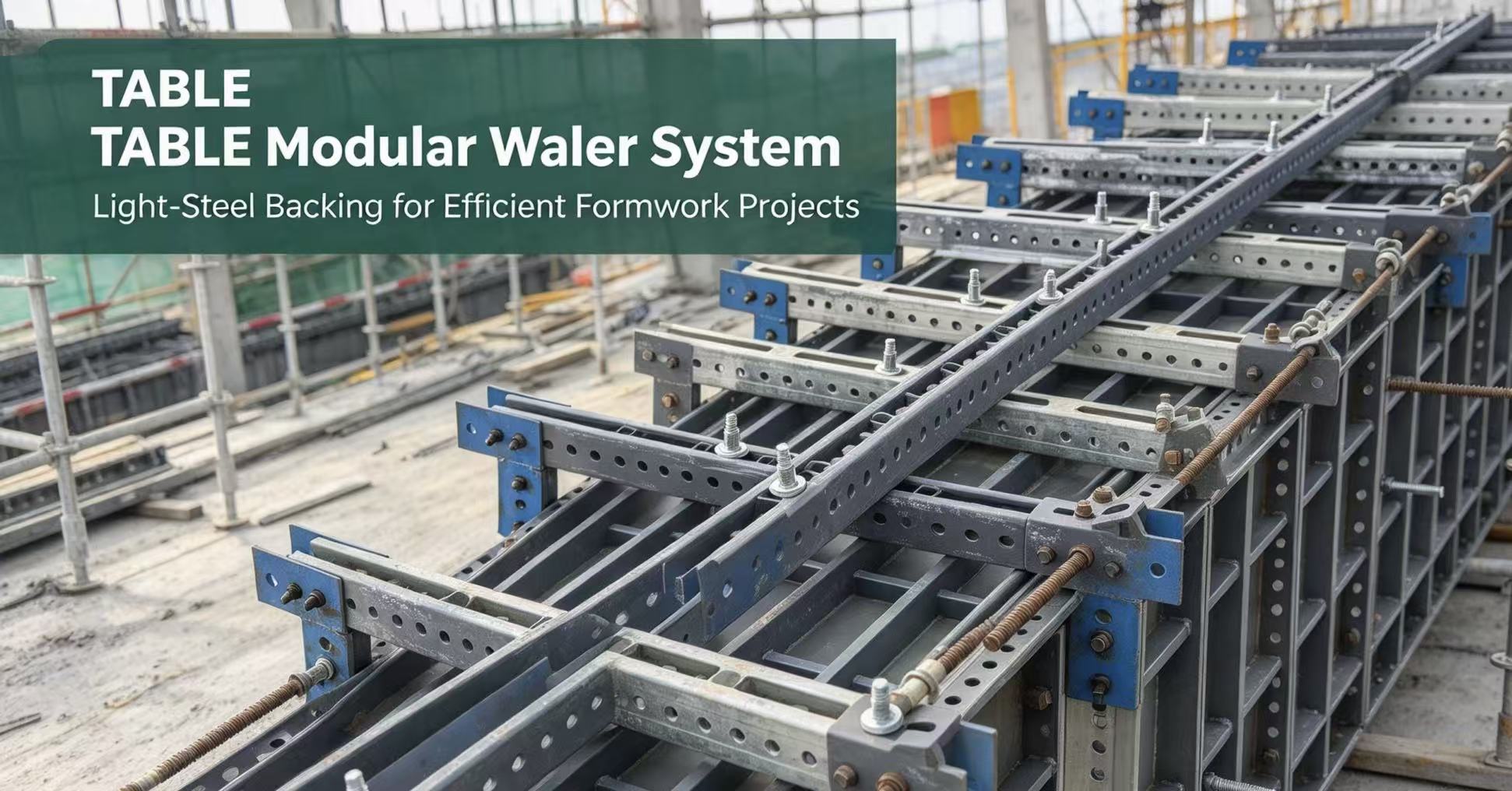
- Modular steel formwork systems: Indispensable for large‑scale infrastructure such as bridges and dams. Manufacturers focus on lightweight design and anti‑corrosion upgrades to cut transport and labour burdens.
Modular components allow fast assembly and disassembly, lowering reliance on skilled carpenters and easing the global construction labour shortage. Standardised modular formwork systems are widely promoted across Europe, the Middle East and Southeast Asia.
Trend 2: BIM & IoT Reshape the Full Formwork Workflow
Digitalization stands as the core transformation driver for today’s global formwork industry, covering design, manufacturing, on‑site execution and asset management.
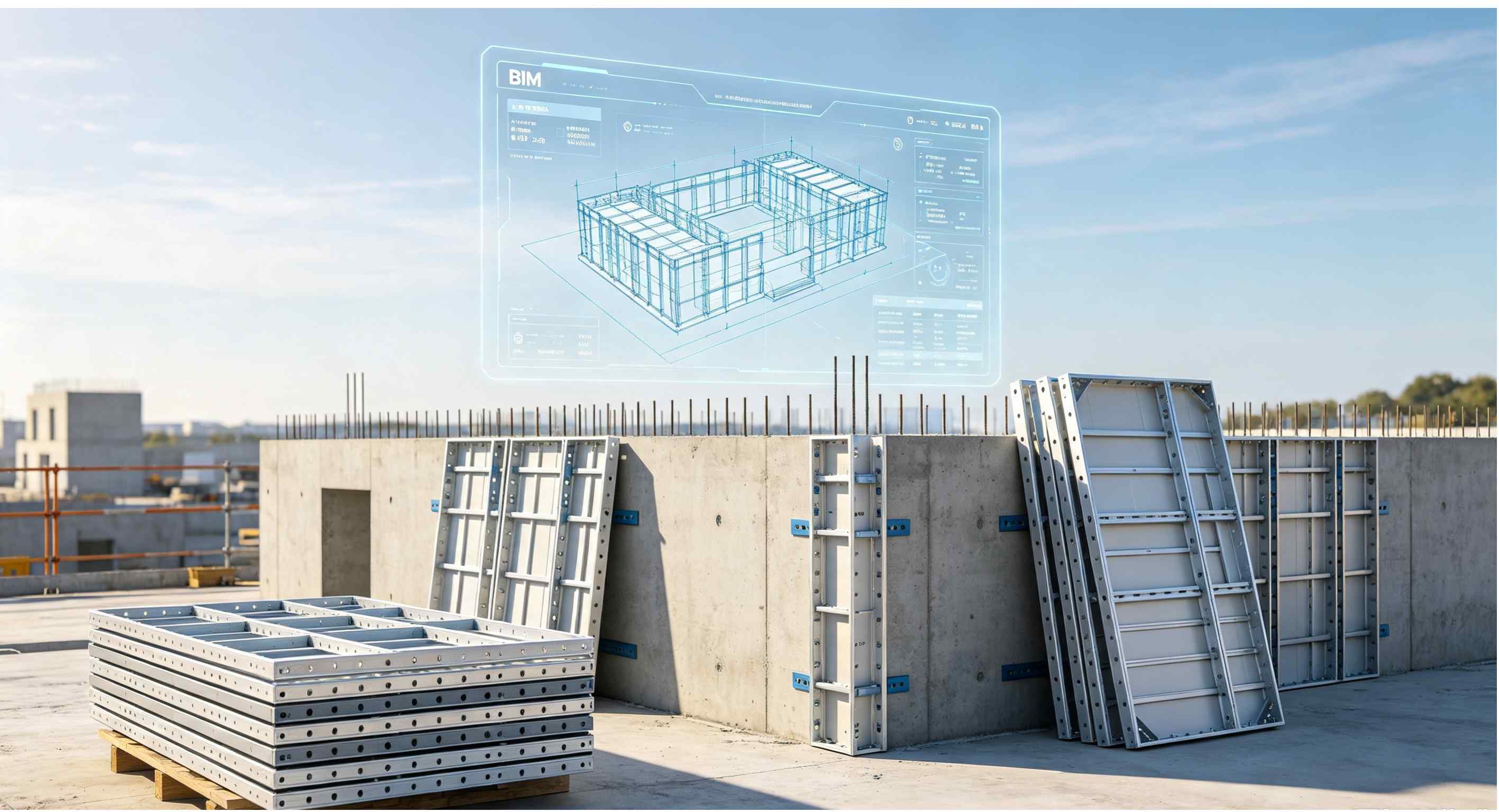
1. BIM pre‑modelling for formwork layout: 3D virtual pre‑assembly is completed prior to construction. Engineers detect component clashes in advance and calculate exact material quantities. Material waste drops from the traditional 15‑25 % down to under 3 %, minimising on‑site rework.
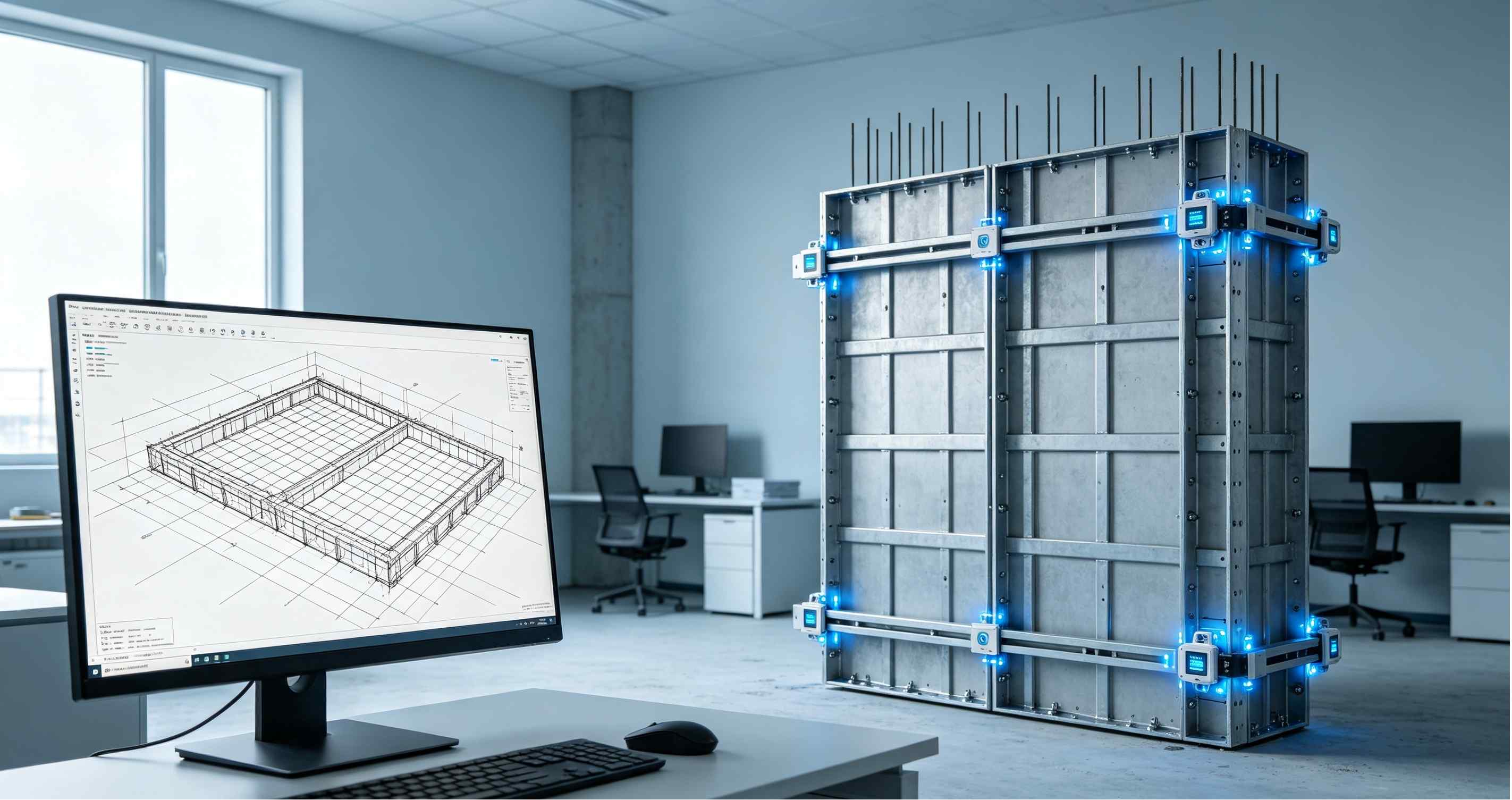
2. IoT‑enabled smart formwork: Pressure and temperature sensors embedded in panels monitor concrete pouring pressure and curing conditions in real‑time. The system identifies safe stripping time automatically, preventing formwork blow‑out and concrete cracking to improve safety and finished quality. Leading European and American suppliers have deployed this technology in commercial projects.
3. Digital asset management: RFID chips are fitted on aluminium and steel formwork components to record reuse cycles, damage status, maintenance records and location tracking. Rental companies achieve cross‑project allocation and predictive maintenance for higher asset turnover efficiency.
In the near future, formwork will no longer be merely passive construction hardware. It will become an intelligent data‑collecting unit integrated into the whole construction digital ecosystem.
Trend 3: Circular Economy & Rental‑based Service Model Gains Popularity
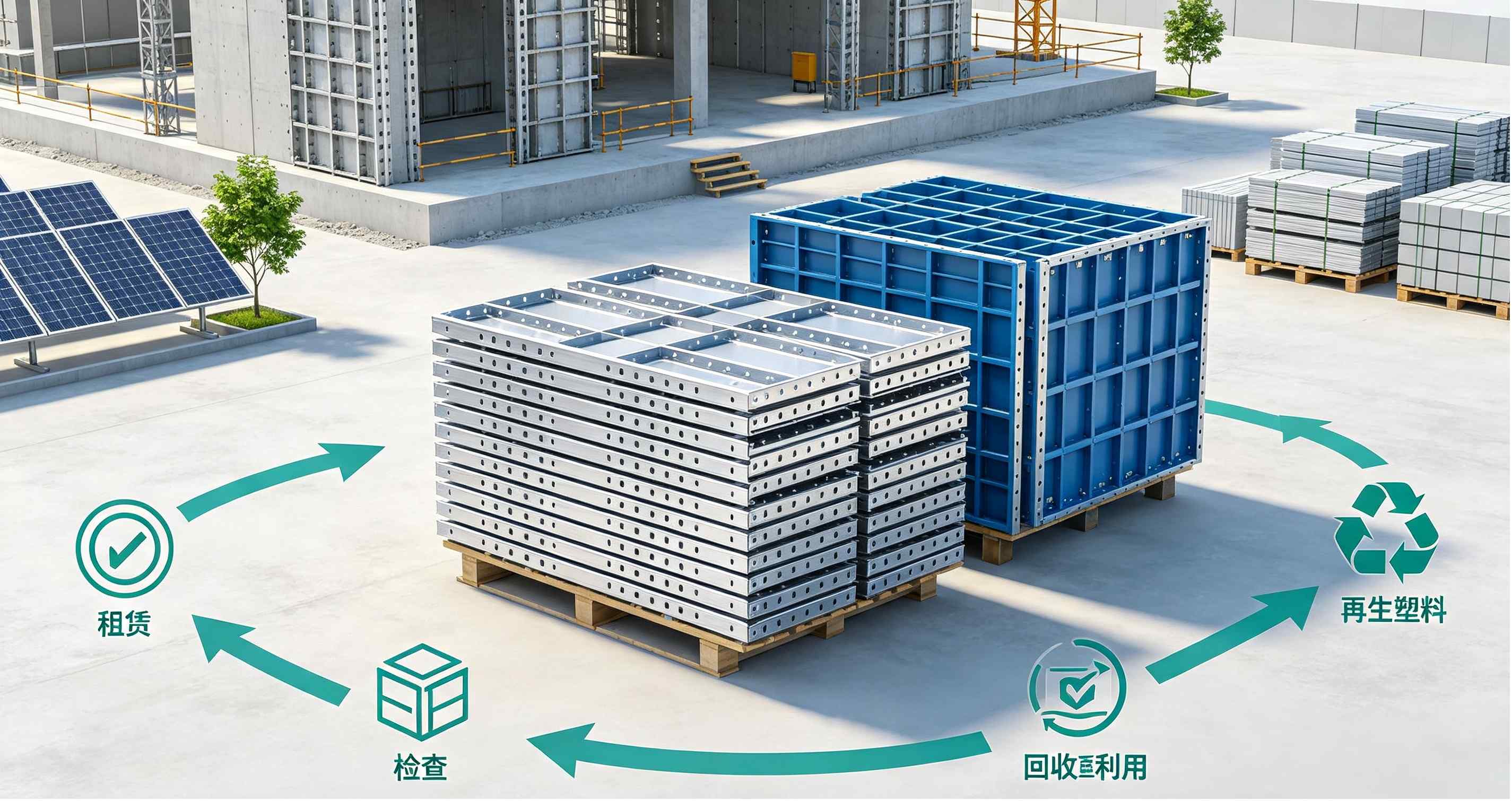
Purchase‑only business models are gradually losing advantages. Formwork rental, refurbishment and component replacement services are expanding globally.
Instead of buying full sets, contractors rent modular formwork systems. Suppliers take charge of production, pre‑assembly inspection, on‑site technical guidance, post‑project recycling and refurbishment. This cuts customers’ upfront capital investment and avoids idle inventory.
Circular requirements are tightening. Old panels are repaired, re‑coated or recycled instead of being discarded directly. Many regions impose carbon‑emission assessment on construction materials, pushing suppliers to calculate carbon footprints for each formwork product. Low‑carbon, recyclable products win more project bidding preferences.
Trend 4: Composite & High‑strength Light‑weight Material Innovation
Besides aluminium, steel and plastic, new composite formwork materials keep emerging. High‑strength zinc‑magnesium‑aluminium coated steel panels, fibre‑reinforced polymer panels balance light weight, high strength and corrosion resistance.
Light‑weight formwork reduces manual lifting workload and crane occupancy, shortening construction cycles. For remote infrastructure projects, lower dead weight also brings down international ocean‑freight costs — a critical benefit for export‑oriented formwork manufacturers.
Trend 5: Regional Market Diversified Demands
- Developed markets (Europe, Middle East): Prioritise safety, reusability, digital pre‑planning and low‑carbon certification. High‑end system formwork dominates.
- Southeast Asia, Central Asia & emerging markets: Cost‑sensitive. A mix of traditional plywood and entry‑level modular systems coexist. Demand for affordable reusable formwork keeps rising as labour costs go up year by year.
- Global export‑oriented manufacturers: Must adapt products to local construction habits, climate and regulatory standards. Customised modular solutions replace one‑size‑fits‑all generic goods.
Industry Challenges & Outlook
Challenges remain: high initial investment for advanced modular systems, uneven on‑site worker technical capabilities, and inconsistent global low‑carbon evaluation standards.
Even so, the general direction is clear: concrete formwork is moving from single‑use consumables toward modular, digital, low‑carbon, service‑oriented system solutions. Enterprises focusing on material upgrade, digital tool deployment and full‑lifecycle service will capture bigger market shares amid global construction industrialization.