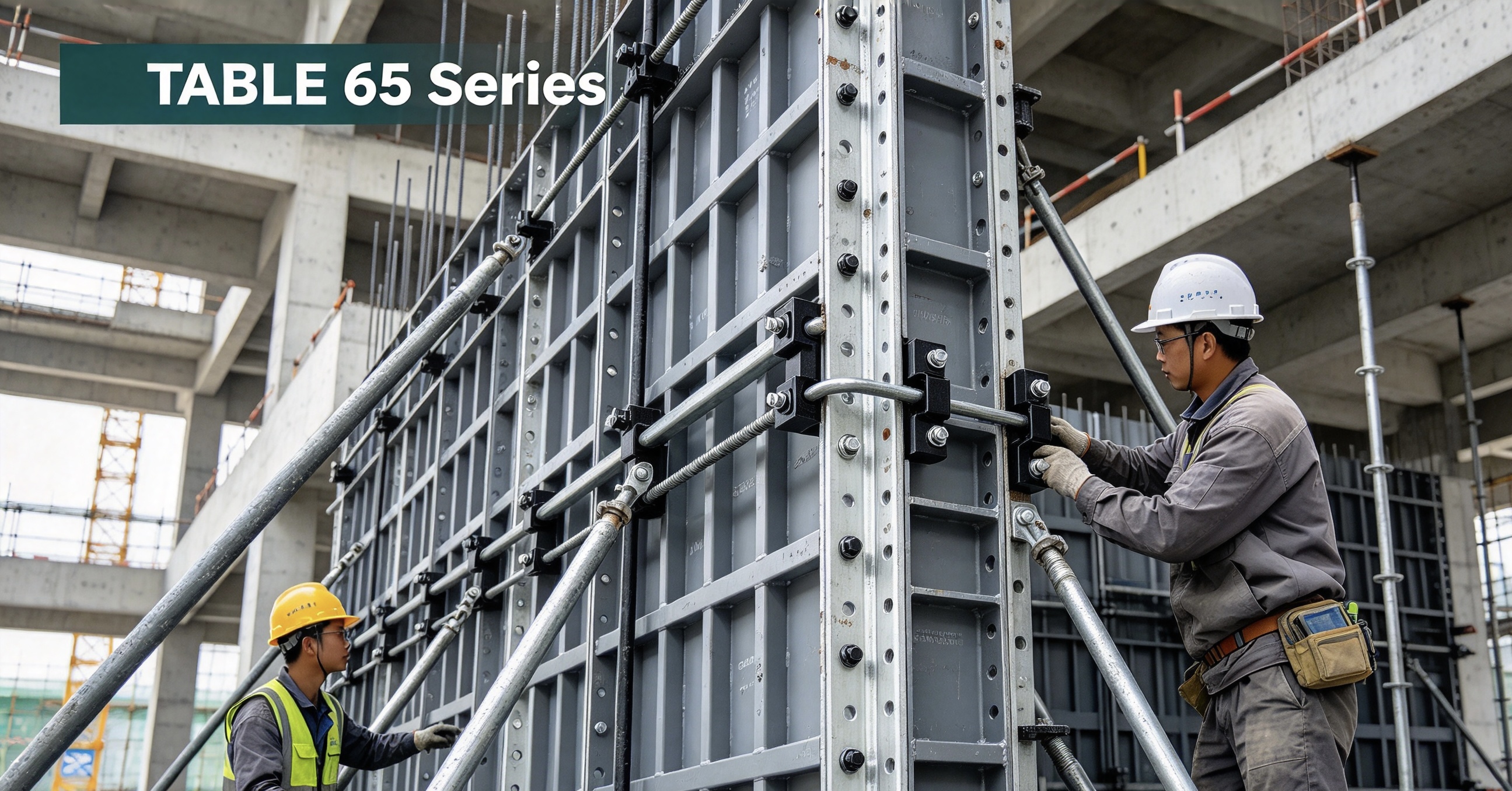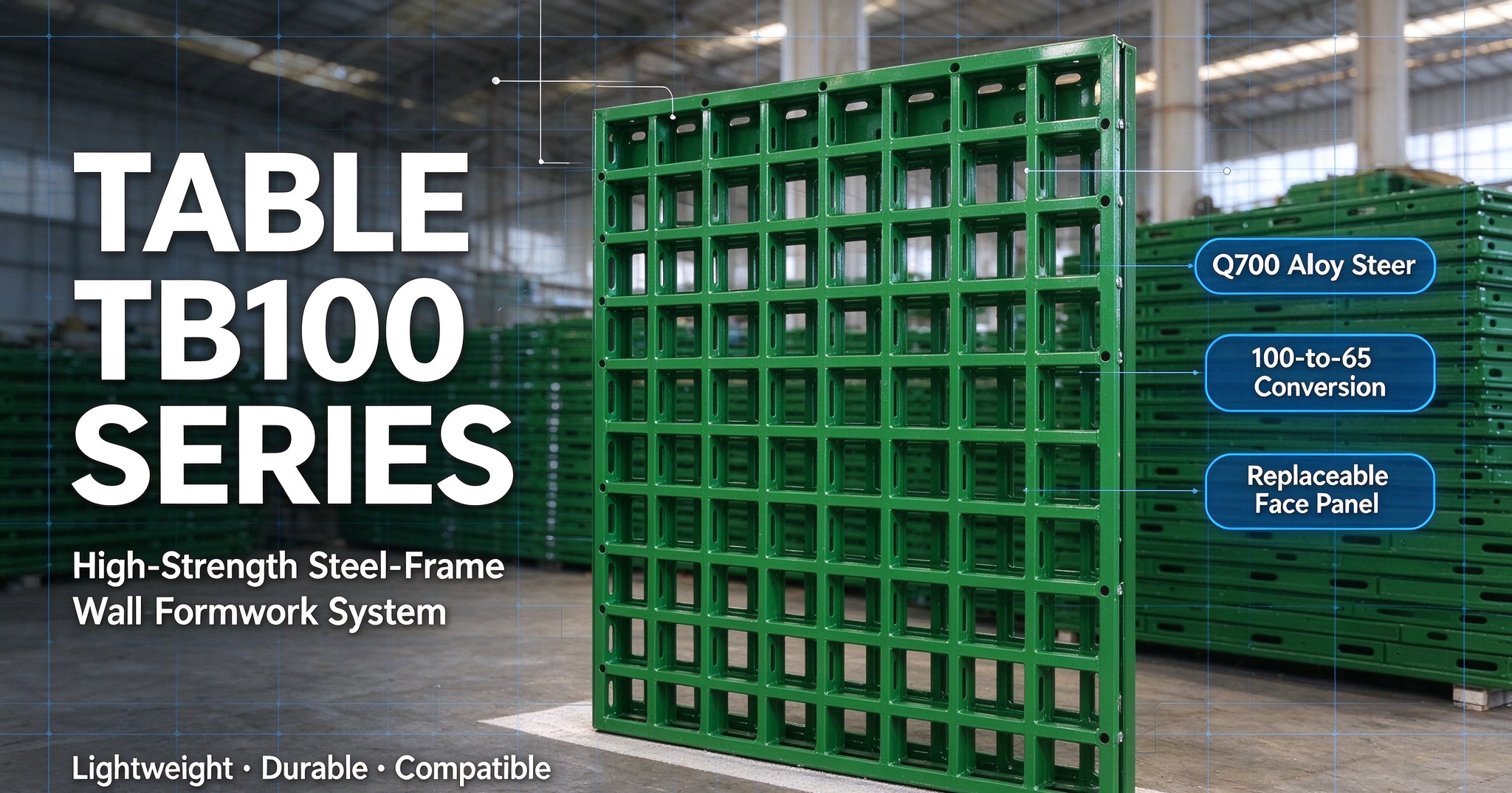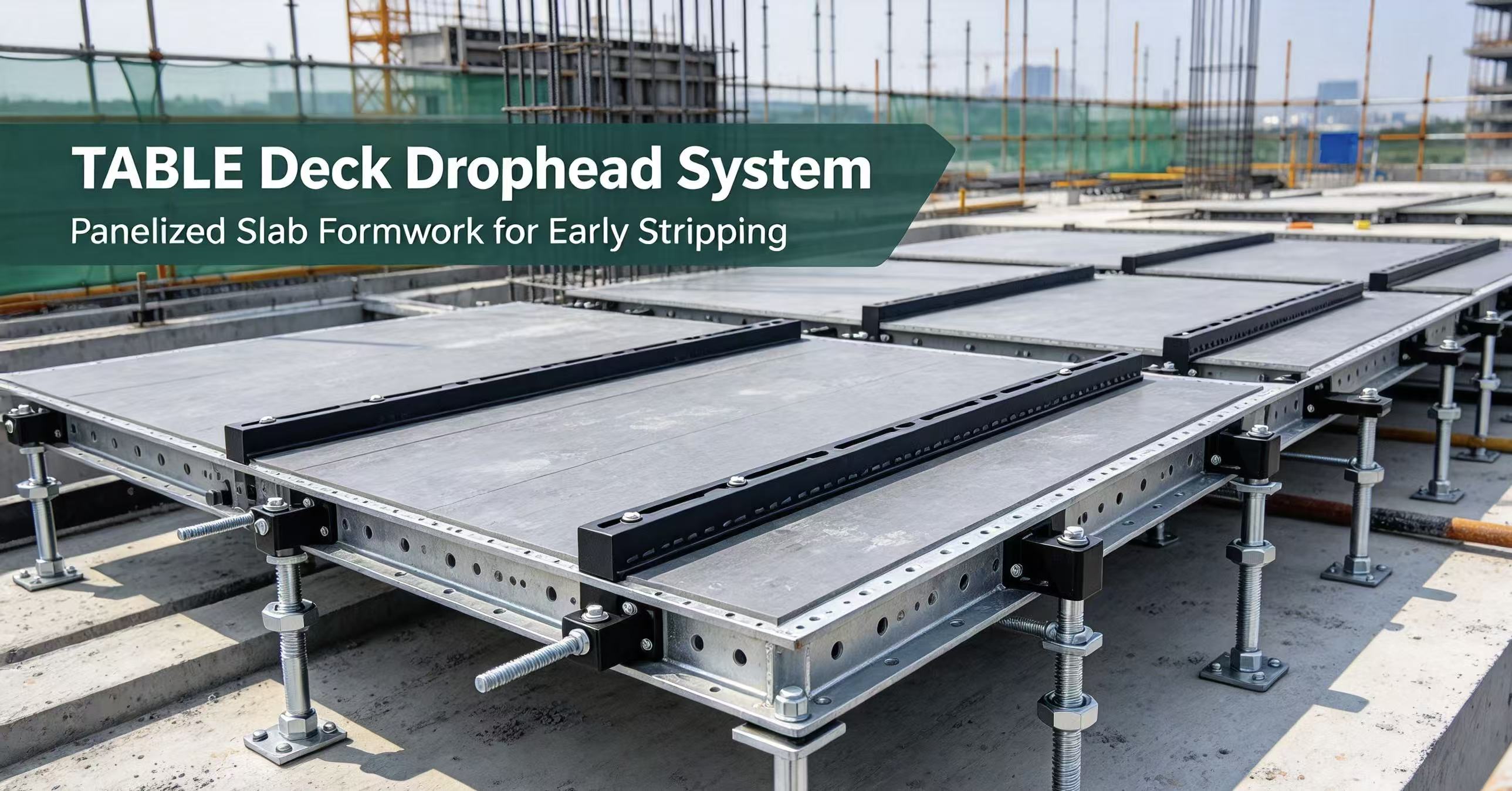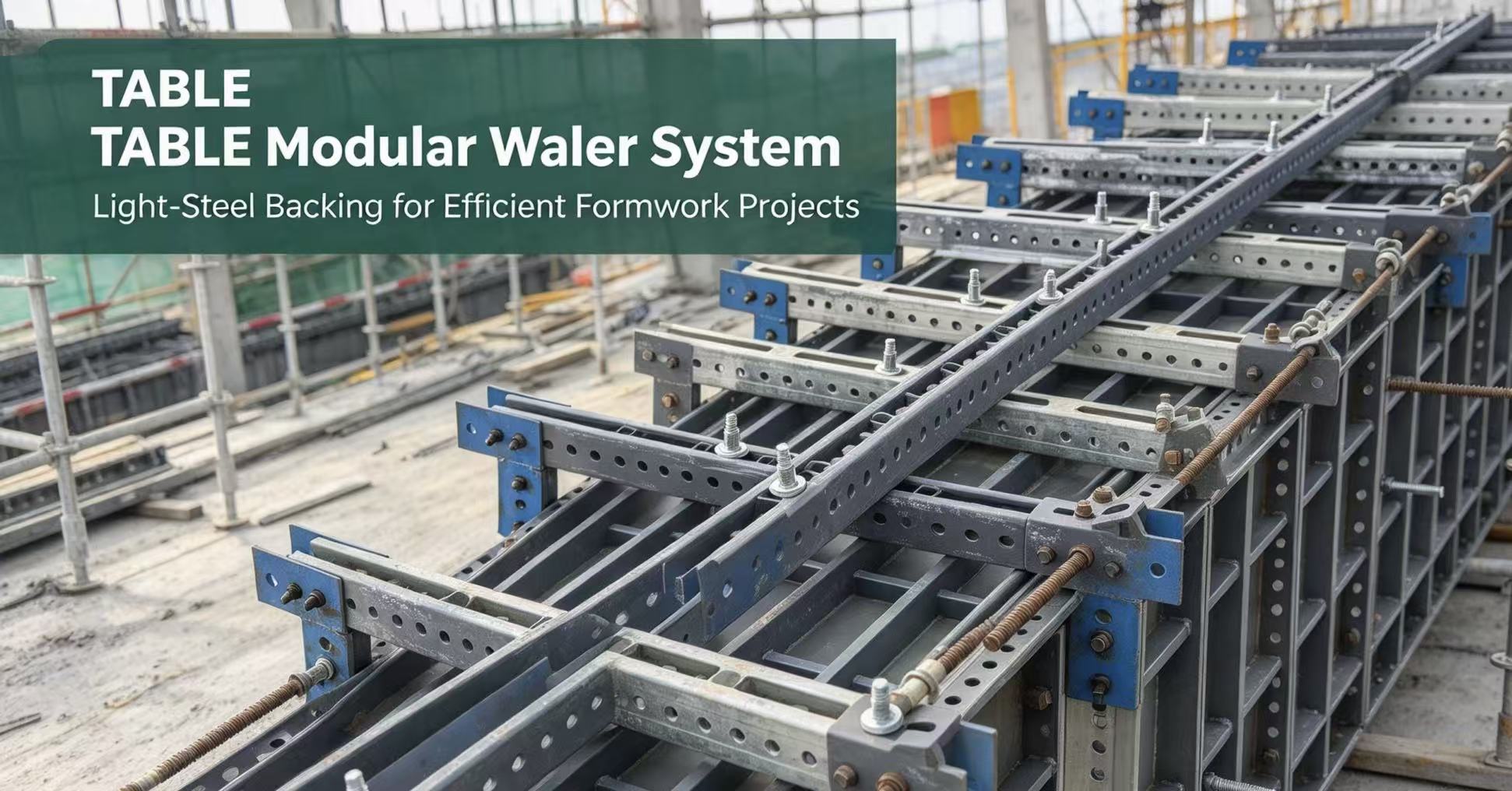
Why Q700 ZAM matters in formwork decisions
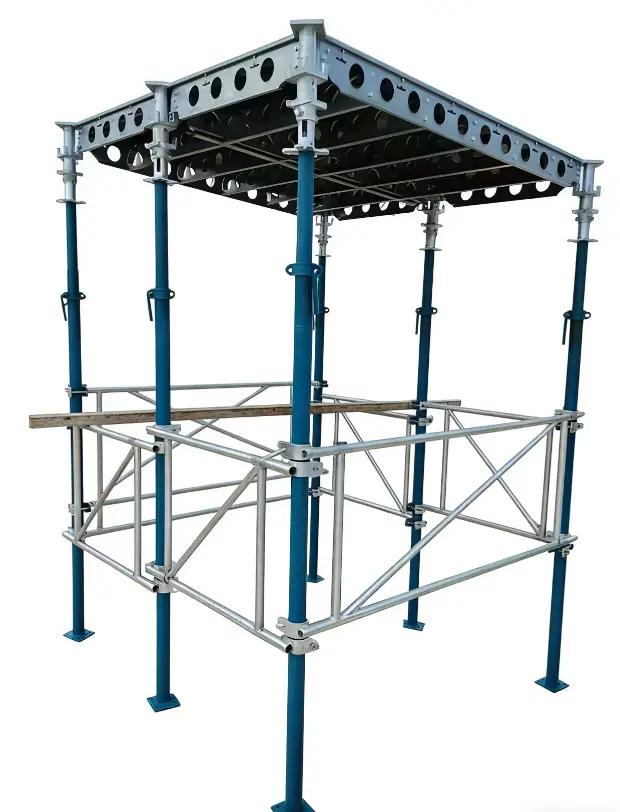
If you are comparing system materials for a jobsite, Q700 ZAM is the kind of option that changes the conversation from “what is strongest?” to “what is strong enough, easy enough to move, and sensible enough to own?” For engineers, sourcing managers, and product teams, that matters because formwork is not just a structural choice. It affects labor, handling, repair cycles, and how much money sits tied up in equipment between pours.
The market often frames the decision as steel versus aluminum, but that is too blunt for real buying work. A modern coated high-strength steel option can close part of the gap: it can be lightweight relative to traditional steel assemblies, yet still feel more robust than many teams expect. That is where Q700 ZAM enters the discussion. Buyers looking for durability without drifting into the highest-cost tier often want to know whether they can get a system that is practical on site and not a maintenance headache back at the yard.
What buyers are really trying to solve
Most project teams are not shopping for a metal grade in isolation. They are trying to answer a larger question: can this formwork be handled by the crew, survive repetitive use, and stay economical over a run of projects? If the answer is yes, the material earns its place. If not, the cheapest purchase price turns into a long string of hidden costs.
That is why the phrase “low-cost than than the aluminum formwork” shows up in buying discussions, even if the wording is rough. The intent is clear. Many teams want something that compares favorably against aluminum on cost, while avoiding the weak spots that can show up when panels, frames, or accessories need more delicate treatment. In that context, Q700 ZAM is attractive because it suggests a balance: stronger than a purely lightweight-first approach, but not so burdensome that the system becomes difficult to move or manage.
A quick view of the trade-offs
Weight and handling
A lightweight formwork system reduces strain on workers and can improve speed during assembly and stripping. That said, “lightweight” is only valuable if it does not create a fragility problem. Buyers should ask whether the system remains stable under repeated site handling, forklift movement, stacking, and transport.
Cost over the life of the system
The purchase price is only one line in the ledger. Repair frequency, replacement parts, coating durability, and storage damage all shape the real cost. A system that helps crews avoid damage and “no spend extra money to fix it” in the short term may save more than a lower-priced alternative that keeps needing patchwork.
Site efficiency
A panel or frame that is easier to position can speed up work in ways that are not always captured in procurement spreadsheets. On busy projects, that is not a small point. Labor time is expensive, and delays multiply quickly.
Where Q700 ZAM fits best
Q700 ZAM makes the most sense when a team wants a practical middle ground. It is worth considering for operations that care about repeat use, manageable weight, and a cost structure that does not drift upward through constant repairs. It may also appeal to companies trying to standardize across multiple projects, where consistency matters as much as headline material performance.
That does not mean it is the answer for every application. Extremely aggressive environments, unusual loading demands, or specialized design constraints can shift the decision. But for many mainstream formwork programs, the case is straightforward: if the material helps crews work efficiently and keeps maintenance predictable, it deserves a serious look.
What to ask before you buy
Procurement teams should press for a few practical answers. How is the surface protection expected to perform after repeated cycles? What kind of handling damage is typical in real use? Are replacement parts easy to source? Does the system require special storage discipline, or can it tolerate ordinary yard conditions without falling apart?
Those questions matter more than marketing language. A product can be described as lightweight and durable, but the buyer still needs to know how it behaves after months of use. And if a supplier cannot explain the maintenance picture clearly, that is usually a warning sign.
Common mistakes to avoid
One mistake is treating formwork as a pure materials race. The cheapest or strongest-sounding option is not always the best fit. Another is assuming a lighter system automatically lowers total cost. It might, but only if it does not trade away service life or create repair work. A third is forgetting the crew’s point of view. If the system is awkward to handle, productivity drops fast and the savings disappear into labor.
Practical buyer advice
For teams comparing options, the best approach is to line up three things side by side: handling ease, expected upkeep, and total ownership cost. If Q700 ZAM improves the first two without inflating the third, it has a strong case. That is especially true for buyers who are trying to avoid the recurring frustration of damaged components and field repairs.
Do not get trapped by the idea that one material must “win” on every metric. The real decision is whether the system fits the project rhythm and the company’s cost discipline. In many cases, that is a more useful question than chasing the lightest possible frame or the lowest first invoice.
FAQ
Is Q700 ZAM mainly about strength?
Not only. In buying practice, it is usually evaluated as a balance of strength, handling, and lifecycle cost.
Is it a replacement for aluminum formwork?
Sometimes it may be considered as an alternative, but the decision depends on project needs, crew habits, and the economics of repair and reuse.
What should a buyer verify first?
Ask about real-world handling, protection against wear, replacement support, and how much upkeep the system typically requires.
A sensible next step
If your team is re-evaluating formwork materials, start with a side-by-side comparison of Q700 ZAM against the system you already use. Focus on handling, maintenance, and ownership cost, not just the purchase line. That is usually where the real answer shows up, and it is often more persuasive than any brochure claim.