Why build construction with formwork is still a major project decision
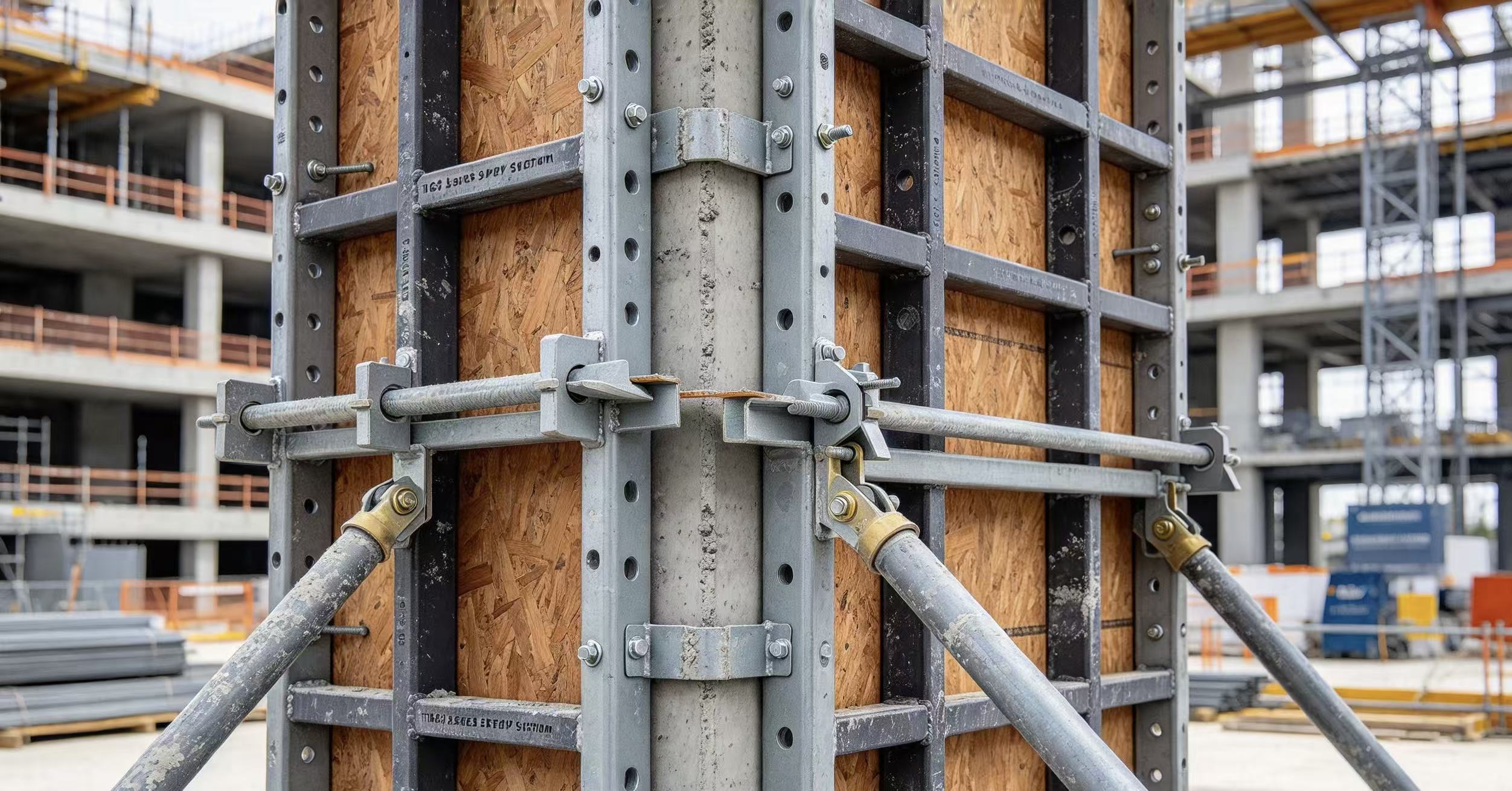
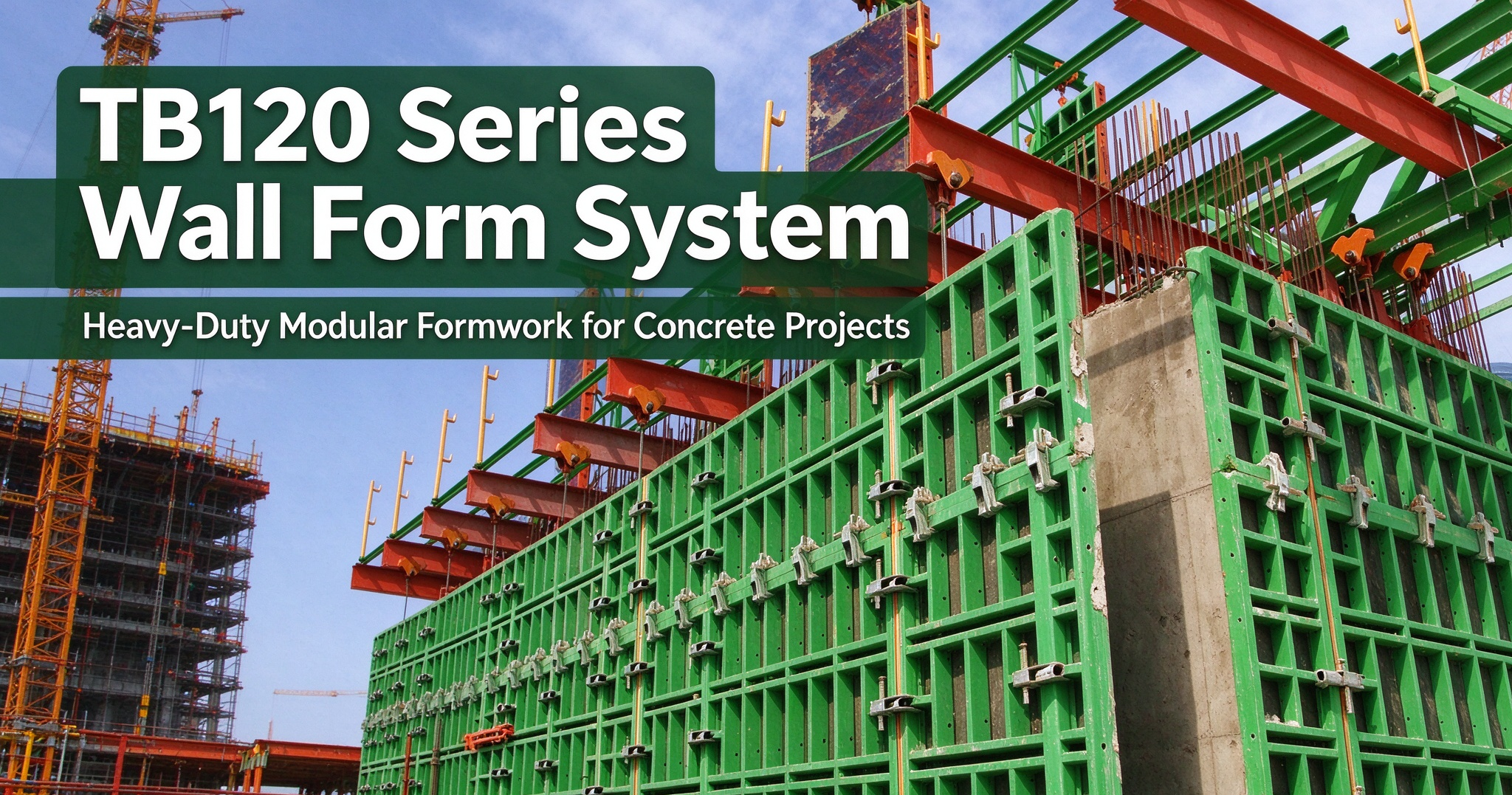
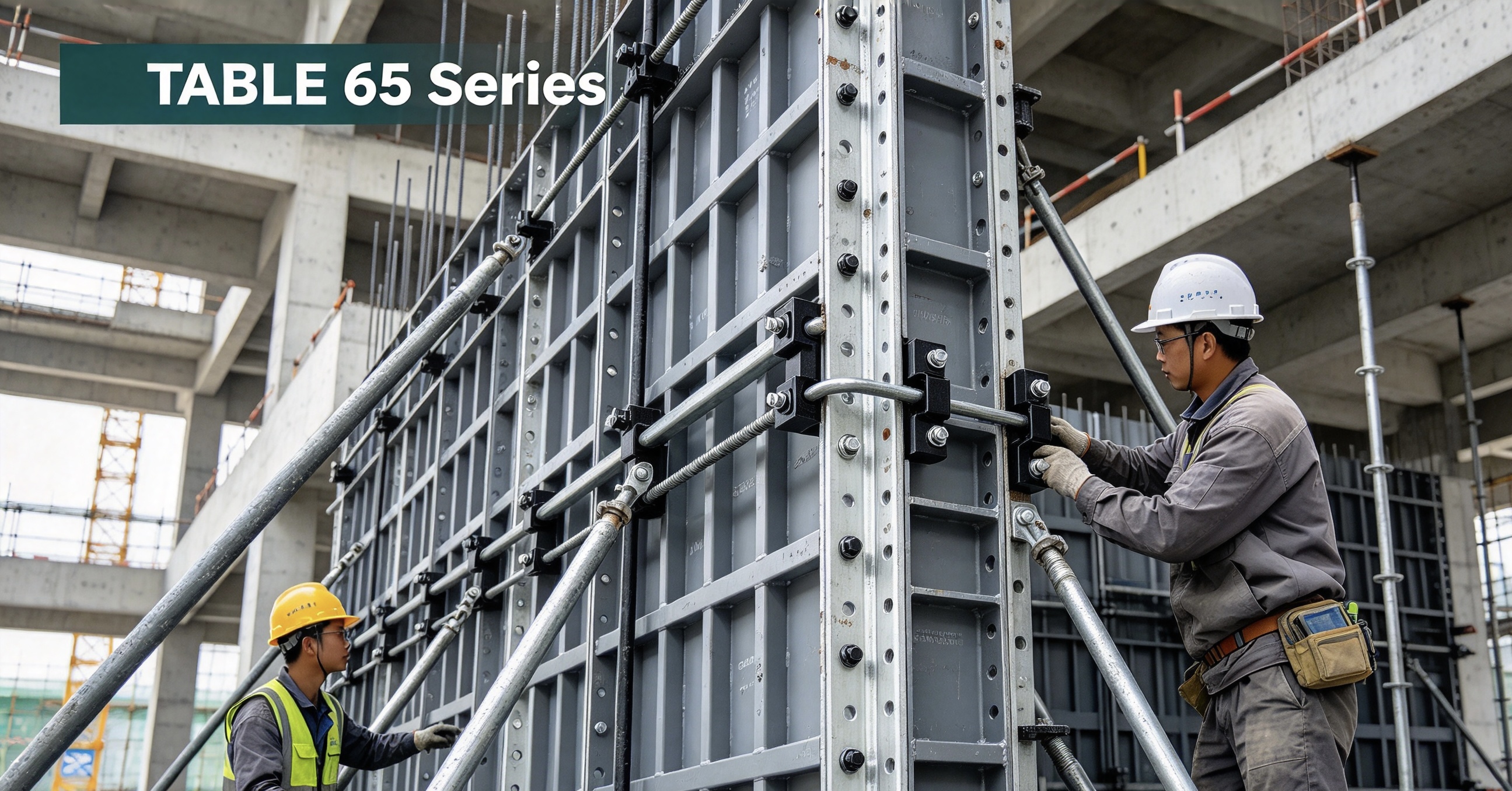
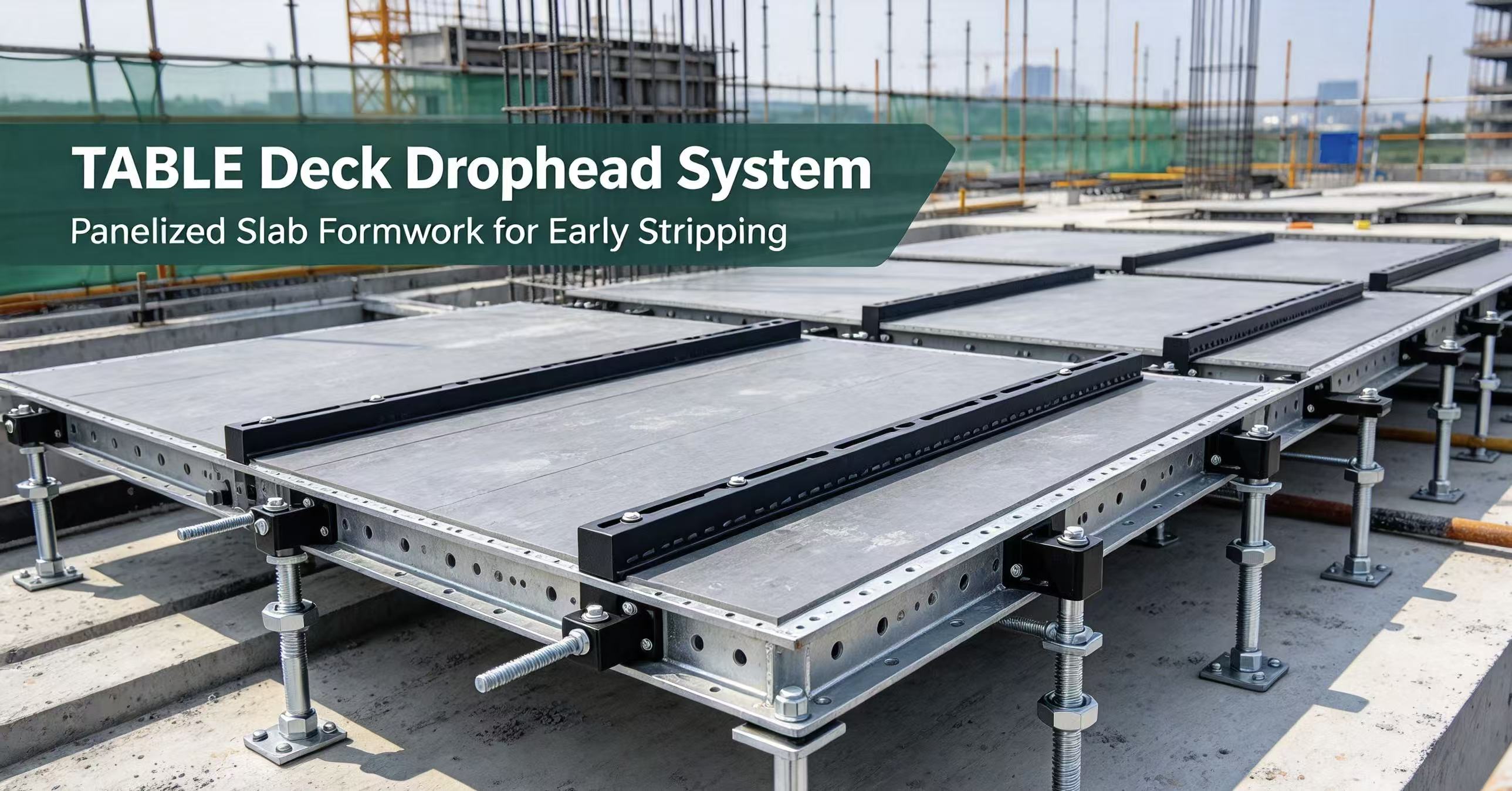
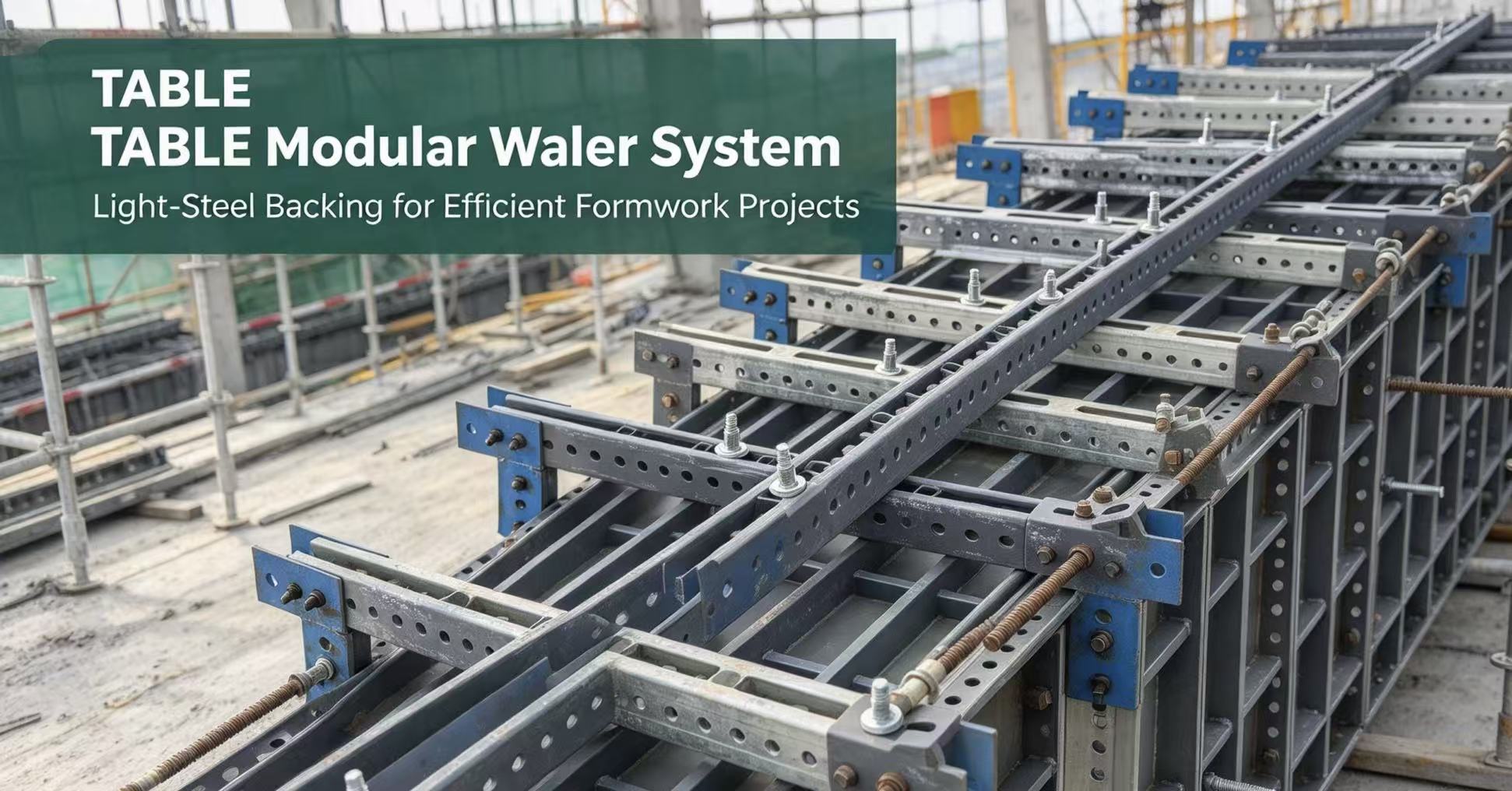
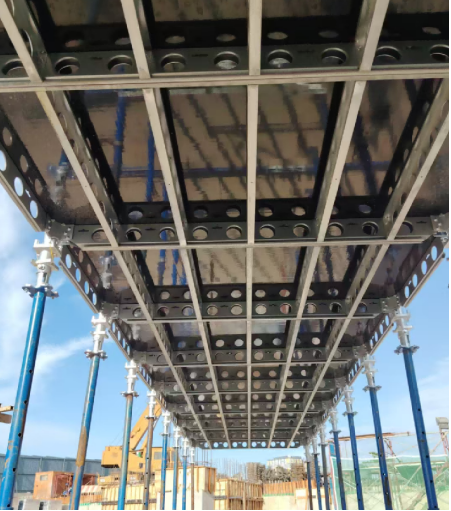
When teams talk about build construction with formwork, they are usually thinking beyond the obvious job of shaping concrete. The real decision is about speed, repeat use, crew handling, surface quality, and whether the formwork system fits the project’s labor conditions and site rhythm. That is where many projects gain or lose money. A panel that looks fine on paper can become a problem on site if it is slow to move, hard to fix, or too fragile for repeated cycles.
For engineers, sourcing managers, and product teams, the question is rarely whether formwork matters. It is which system makes the most sense for a specific job. Concrete pours do not wait for a procurement debate. If the system is wrong, you feel it in labor hours, damaged panels, and delays that spread through the schedule.
What buyers usually compare first
In practice, teams tend to compare a few core factors before they compare brands or catalogs. Price matters, of course, but it is only one piece. A lower purchase price can disappear quickly if the panels are hard to align, if the crew keeps having to fix damaged parts, or if the system requires too much handling between pours.
Another common issue is cycle time. High recycle times, or more simply long reuse cycles, reduce the value of any formwork system. If the panels cannot be stripped, cleaned, moved, and reset efficiently, the whole advantage of reusable construction disappears. That is especially true on repetitive housing, infrastructure, or commercial projects where speed is central to the business case.
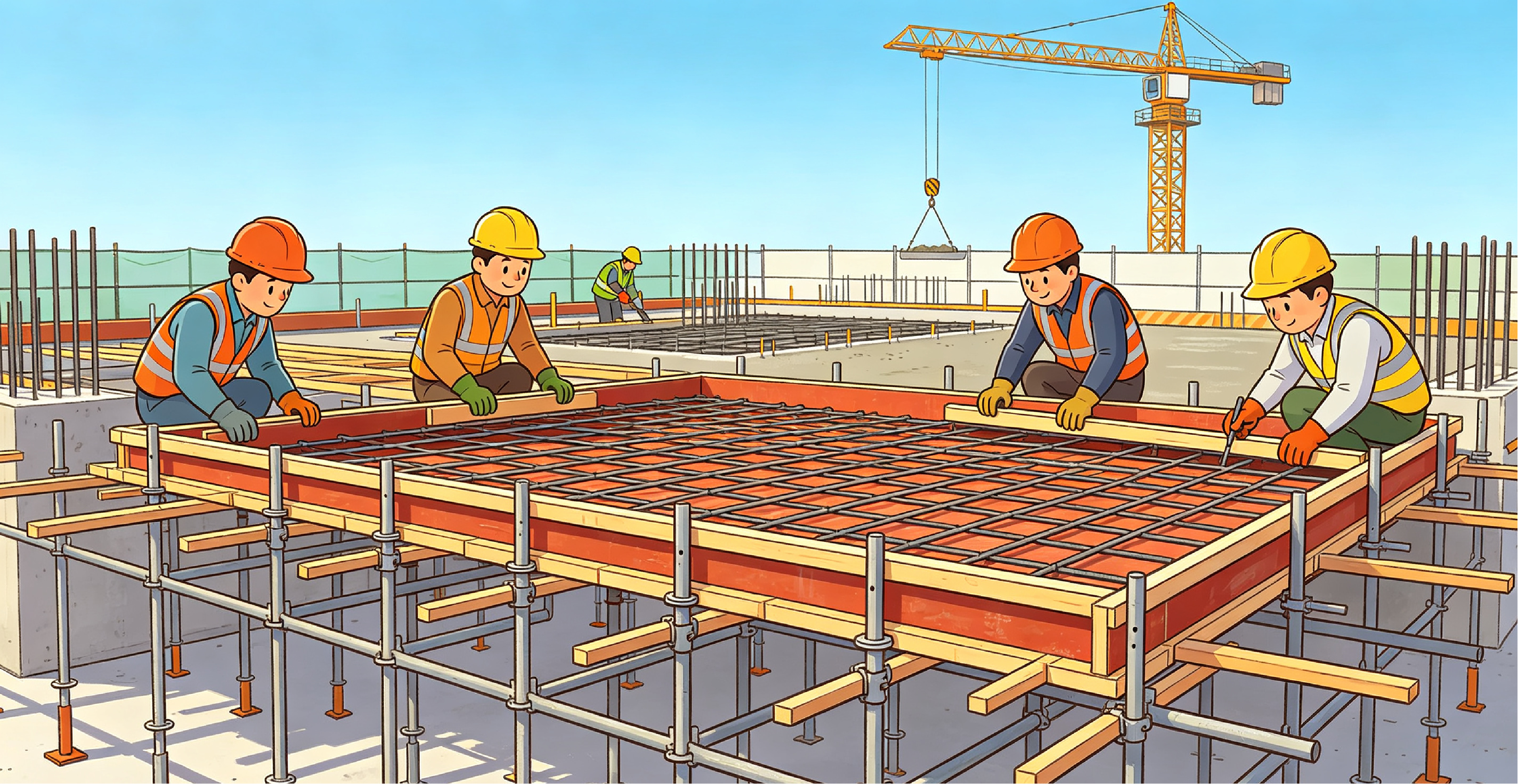
Common problems with formwork systems on real sites
There are plenty of something problrems with formwork systems, and most of them are not dramatic. They are the small operational frictions that pile up: a broken edge, a warped face, hardware that goes missing, a connection that is awkward when the crew is under pressure. Any one of these seems manageable. A few weeks later, the team is spending time on repairs instead of production.
Broken components are especially costly when replacement parts are not easy to source. In many projects, the fix is not to buy the cheapest panel but to choose a system with a clear repair path and readily available accessories. That is one reason buyers should ask how a supplier handles damaged parts, not just how the main panels perform.
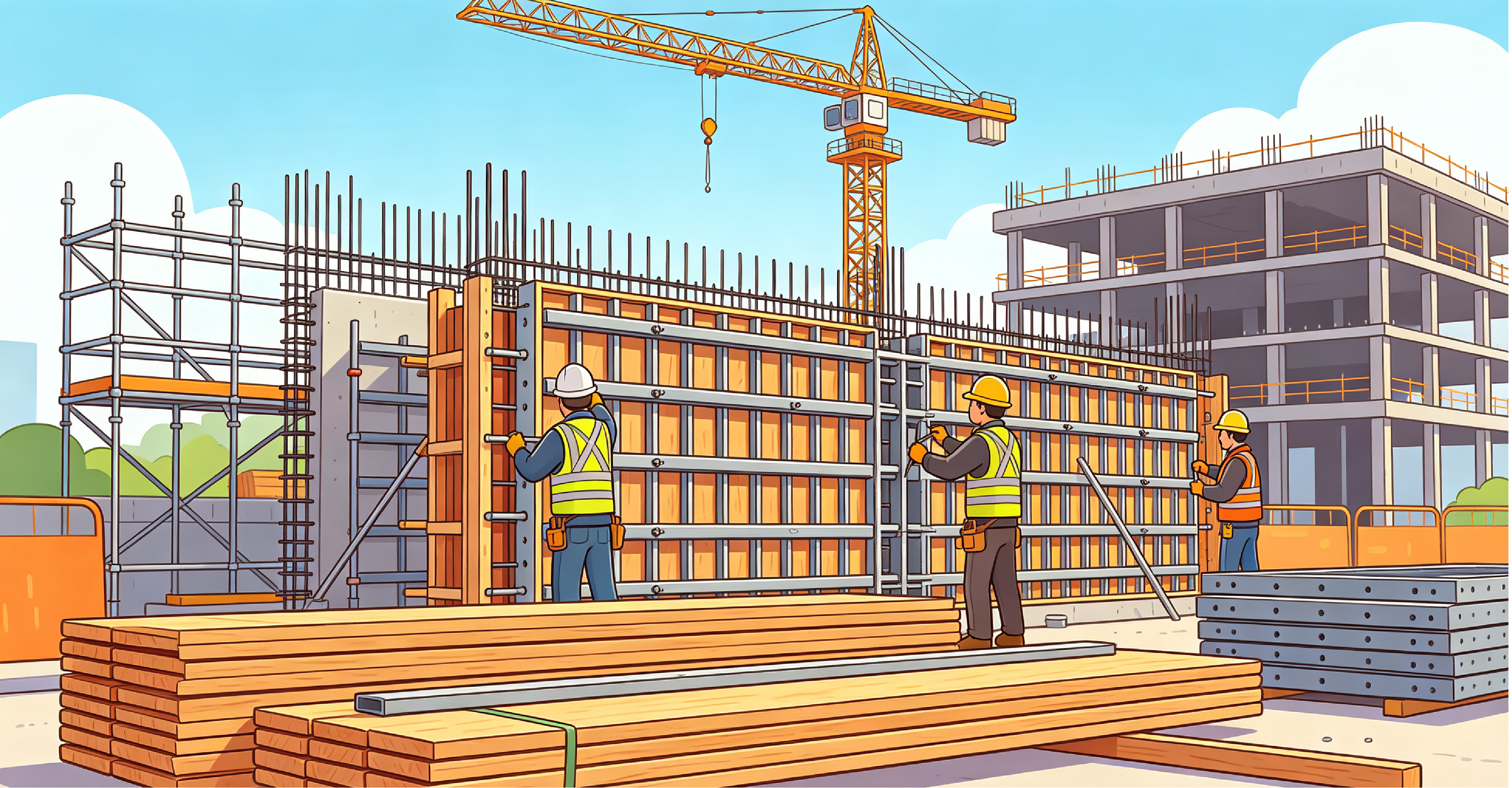
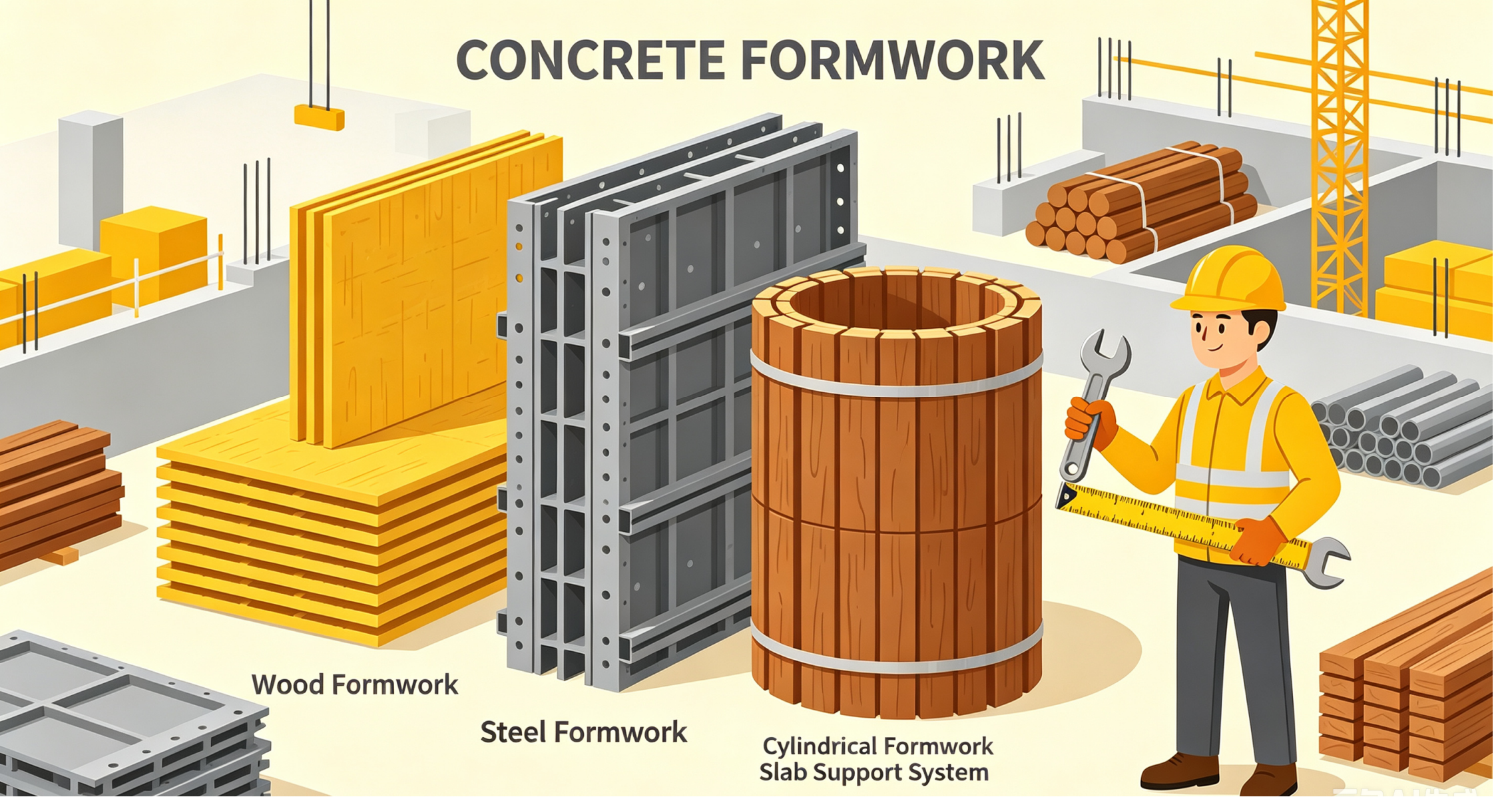
Material choices: aluminum formwork, plastic formwork, and coated steel options
Different material families solve different problems. Aluminum formwork is often chosen when low weight and repeated use are important. Crews can usually move it faster, which helps in projects where labor productivity is a concern. The tradeoff is that aluminum systems need careful handling; rough site practices can shorten service life.
Plastic formwork can be attractive where corrosion resistance, easy cleaning, or simple handling matter more than a heavy-duty structural feel. It is often discussed for repetitive work and smaller projects, though actual suitability depends on the load requirements and the geometry of the pour. Plastic panels are not a universal answer, and buyers should be cautious about assuming they suit every wall or slab condition.
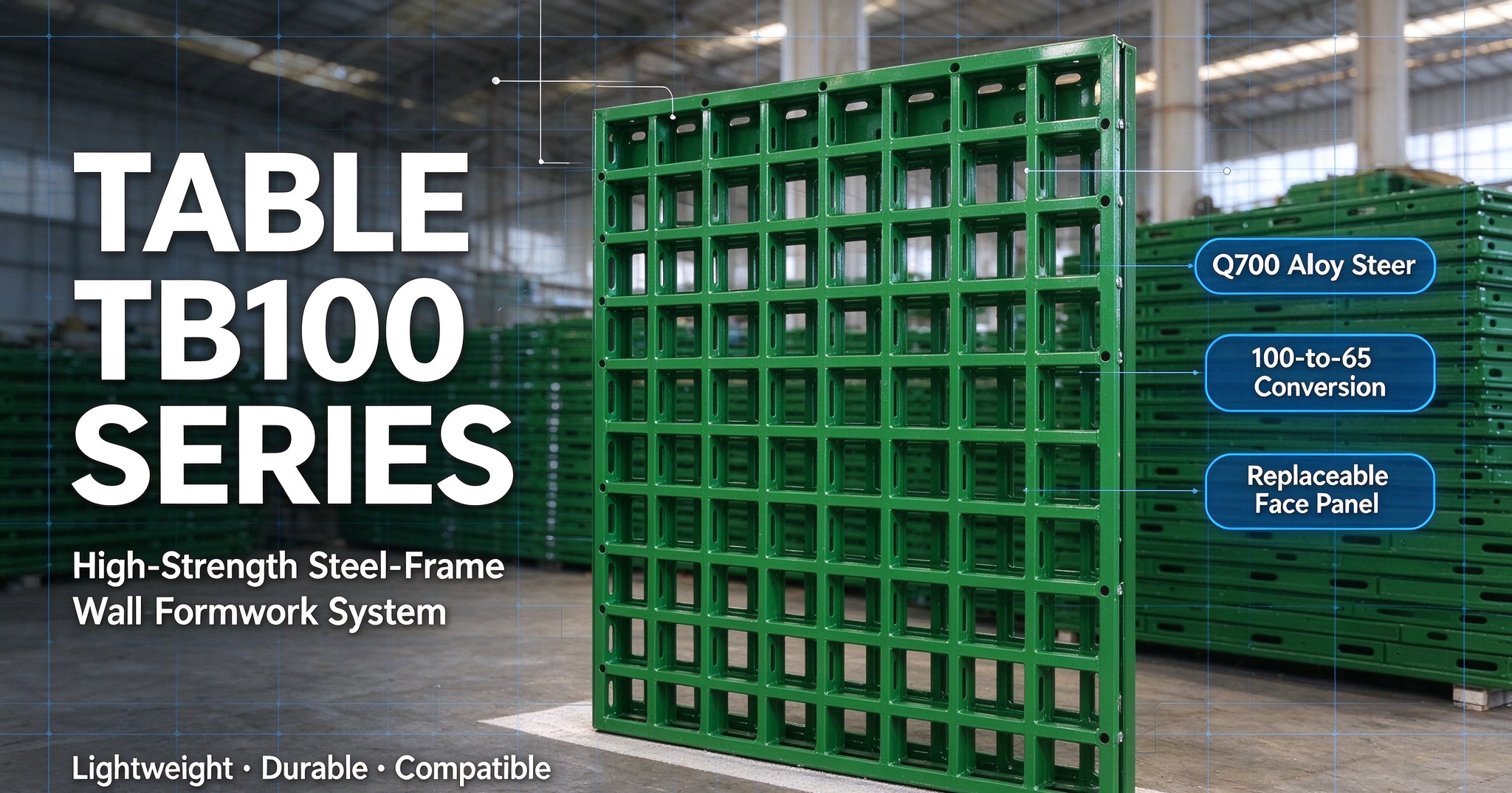
There are also coated steel or composite approaches designed to balance durability with handling convenience. In that category, surface treatment becomes a bigger part of the buying decision, because corrosion resistance and reuse value are tied closely to the quality of the finish.That said, the coating should be judged in context: site environment, exposure, storage practices, and cleaning routines all affect actual performance.
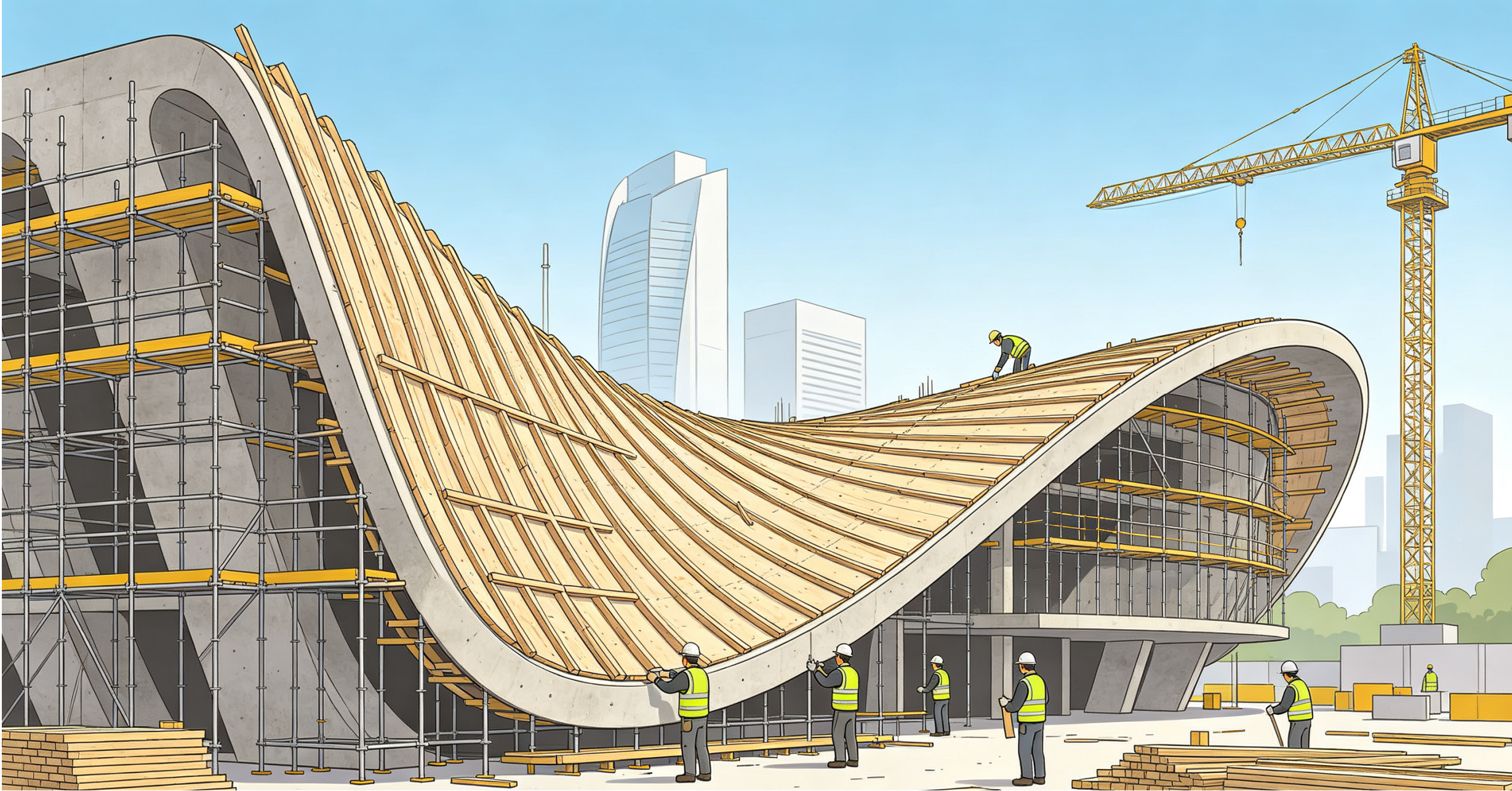
How different countries influence formwork selection
Projects in different countries often face different labor costs, building habits, and inspection expectations. A system that works well in one market may be awkward in another because crews are trained differently or local contractors prefer another assembly method. Shipping and replacement-part access also matter more when the project is far from the supplier’s main distribution route.
This is why export buyers tend to ask practical questions: Can the system be adapted to local working methods? Are spares easy to identify? Is the documentation clear enough for a crew that may not have used the system before? Those are not cosmetic questions. They decide whether the formwork becomes a productivity tool or an imported complication.
Selection criteria that actually help on procurement calls
One useful approach is to separate the purchase decision into use case, handling, and lifecycle cost. Use case asks whether the formwork fits the geometry and pour sequence. Handling asks whether the crew can move it without unnecessary strain or special equipment. Lifecycle cost asks how often it will be reused, repaired, or replaced.
Buyers should also look closely at connection points, edge protection, and the logic of the panel layout. A system that is simple to assemble usually performs better under pressure, even if the catalog is less glamorous. And if the project involves frequent reuse, ask directly about wear-prone parts. It is better to know where the weak points are before the first pour than after the third one.
Practical buyer advice before you commit
If you are comparing systems, request enough detail to judge the real operating burden, not just the headline specifications. Ask for panel drawings, assembly logic, repair guidance, and the way replacement parts are handled. If the supplier uses terms like aluminum formwork or plastic formwork, make sure the discussion moves beyond labels and into actual site behavior.
A small caution: do not let price become the only sorting tool. The cheapest option can be expensive if it slows the crew, breaks easily, or creates rework. On the other hand, the most sophisticated system is not automatically the right one either. The best choice is the one your team can repeat cleanly, safely, and without constant improvisation.
FAQ
Is one formwork material always better?
No. The right system depends on project scale, reuse count, labor availability, and the type of concrete work being done.
Why do some systems fail even when the purchase looks correct?
Usually because the buying decision focused on initial price instead of handling, repairability, and reuse performance.
What should buyers ask first?
How the system behaves on site: how fast it cycles, how easily it is repaired, and whether it fits the crew and local construction practice.
What to do next
If your team is evaluating build construction with formwork for a new project, start with the job conditions rather than the catalog. Map the pour sequence, labor constraints, and reuse expectations, then compare systems against those realities. That is usually where the best decision becomes visible.