TABLE Modular Waler System: Patented Light-Steel Formwork Reinforcement for Shear Wall and Column Construction
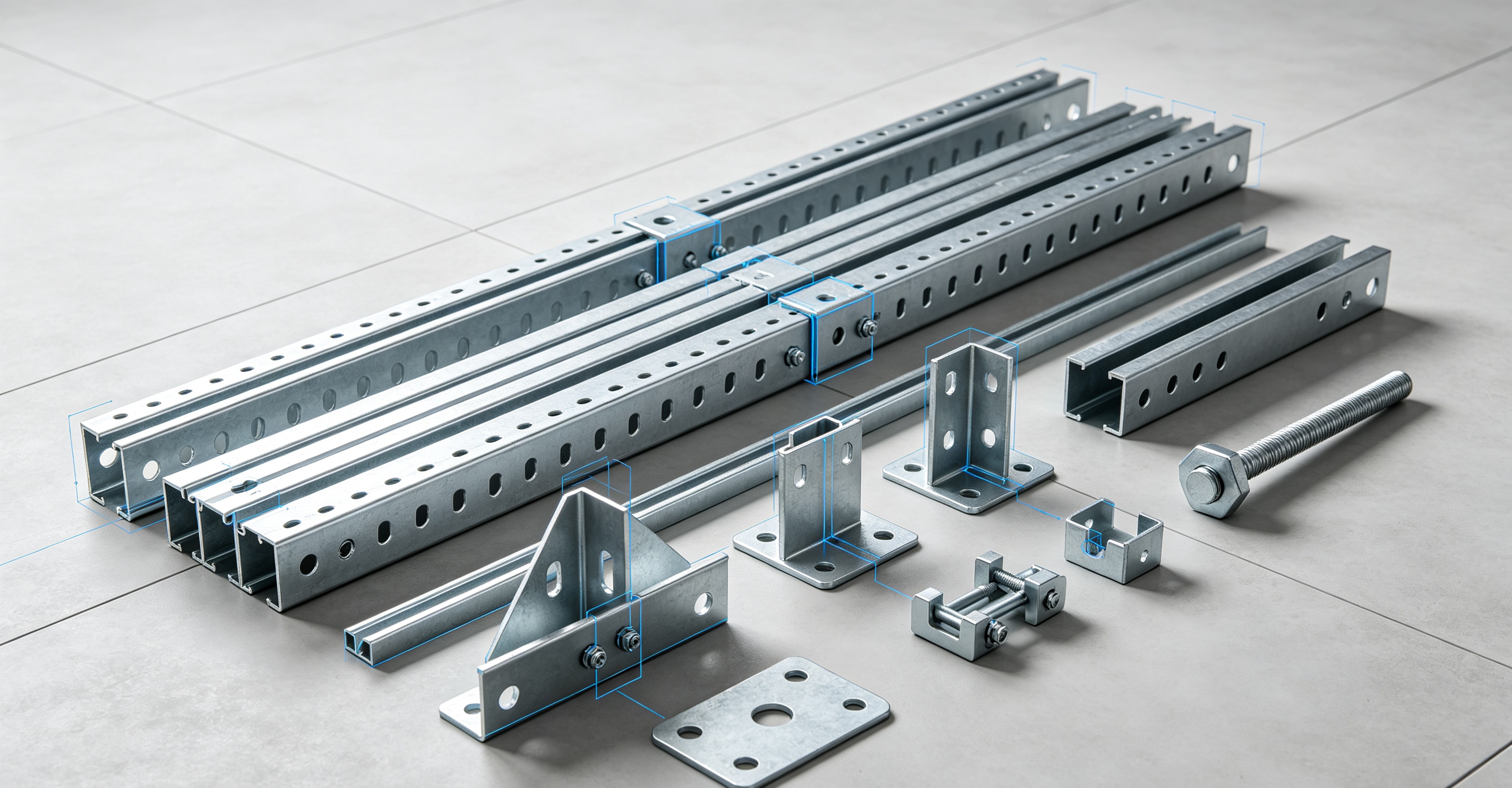
In modern concrete construction, the stability and rigidity of wall and column formwork directly influence concrete finishing quality, construction safety, project schedule, and overall job cost. For decades, contractors have relied on conventional double steel pipe and timber battens to brace shear walls and columns. While widely used, this traditional method often suffers from on-site timber cutting, excessive fastener management, high material waste, poor corner alignment, frequent rework, and complex material sorting.
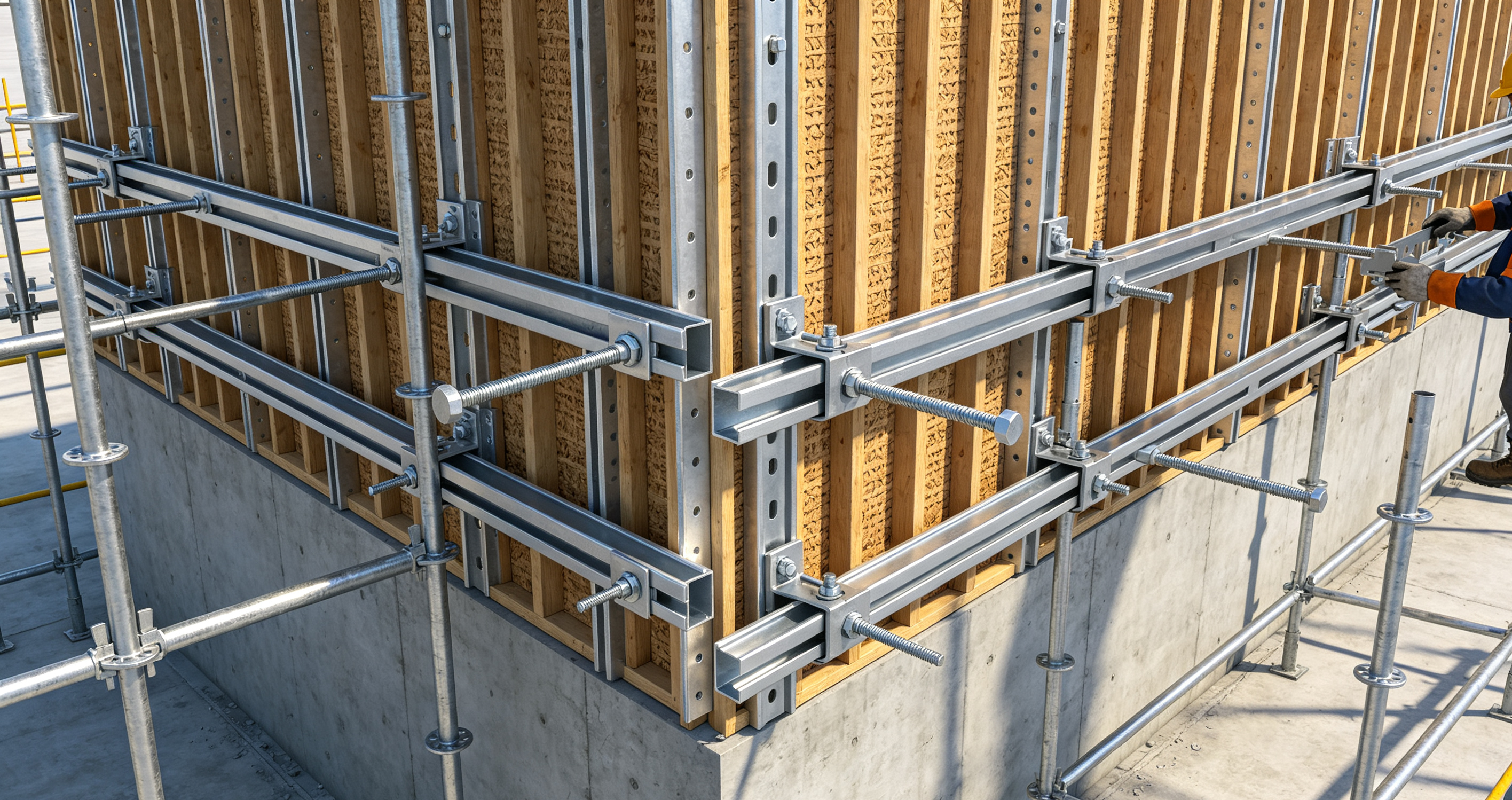
The TABLE Modular Waler System is a patented light-steel formwork reinforcement system designed to replace traditional double steel pipe and timber bracing. Also referred to as a modular waling beam or formwork strongback, the system is manufactured from high-strength Q355/Q700 galvanized steel and roll-formed into precise C-shaped keels. It supports fully modular, weld-free assembly and is compatible with plywood formwork, plastic formwork, aluminum alloy formwork, and high-strength steel formwork.
Whether you are working on high-rise residential buildings, commercial complexes, underground parking structures, industrial facilities, or infrastructure projects, the TABLE modular waler system provides a standardized reinforcement solution for shear wall and rectangular column formwork.
1. Core Material and Two Product Series
The TABLE modular waler system is built around Q355/Q700 high-strength galvanized steel keels. The galvanized coating provides corrosion resistance, making the components suitable for outdoor storage and long-term reuse across multiple projects. Compared with conventional steel pipe and timber, this approach helps reduce material waste, lower labor-intensive sorting work, and improve amortized cost efficiency.
All primary walers are produced in 300 mm modular fixed lengths, including standard sizes such as 300 mm, 600 mm, 900 mm, 1200 mm, 1500 mm, and up to 3900 mm. Custom lengths are available up to 6000 mm (19.68 ft). Because each standard length is an integer multiple of 300 mm, site planners can manage materials more systematically and reduce on-site cutting.
The system includes two interoperable series:
1.1 4×6 Reinforcement System (44×60 Light-Steel Keel)
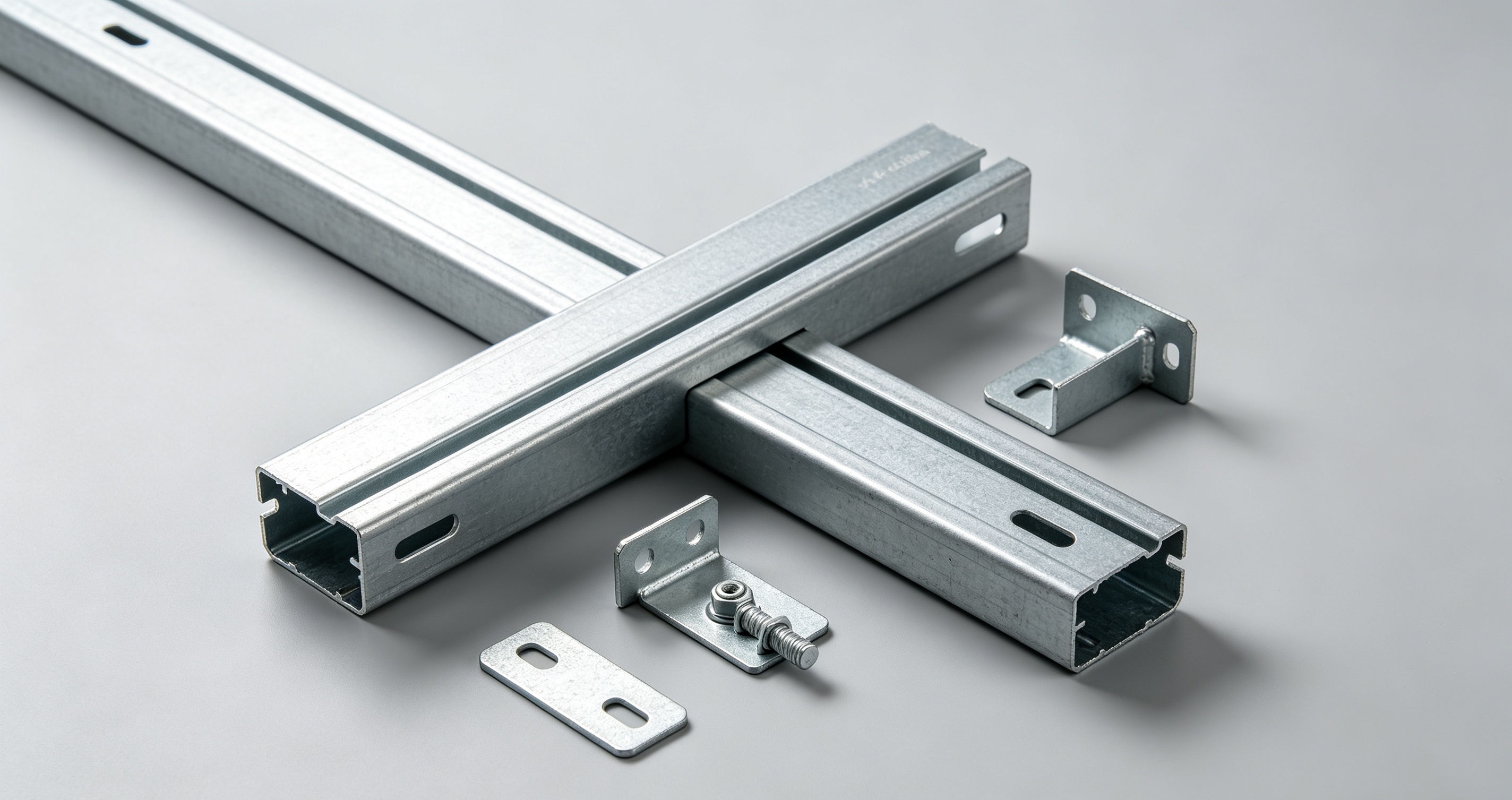
The 4×6 series uses a 44×60 mm light-steel keel weighing approximately 3 kg/m (2.02 lb/ft). It is primarily designed for plywood formwork and plastic formwork in shear wall construction and can directly replace conventional double round steel pipe or square tube walers.
Because the system uses a single lightweight waler instead of double steel pipes, it is easier for workers to handle and position on site. It also helps maintain better wall straightness and flatness. For these reasons, the 4×6 modular waler system is widely used in residential building projects where plywood or plastic formwork is the standard solution.
1.2 6×8 Reinforcement System (60×80 Light-Steel Keel)
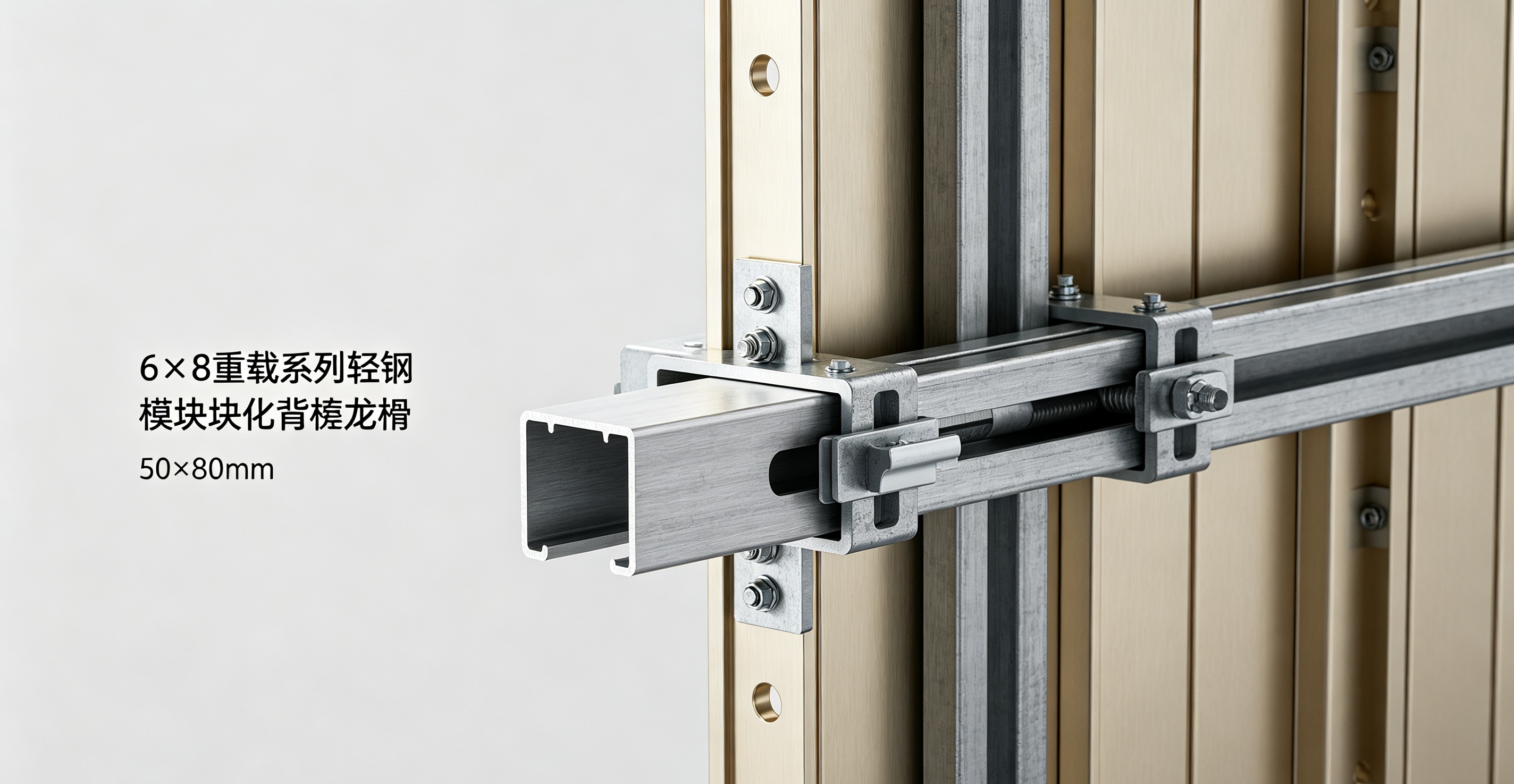
The 6×8 series uses a 60×80 mm light-steel keel weighing approximately 5.3 kg/m (3.56 lb/ft). It is intended for aluminum formwork, industrial formwork, high-rise construction, and high-load conditions. In these applications, it can replace traditional double channel steel or rectangular steel tube walers.
The 6×8 modular waler system is particularly suitable for heavy-duty formwork bracing where higher concrete lateral pressure is expected. It requires no on-site welding, supports fast assembly and stripping, and is engineered for repeated use. With proper site management, the components can achieve more than 500 reuse cycles.
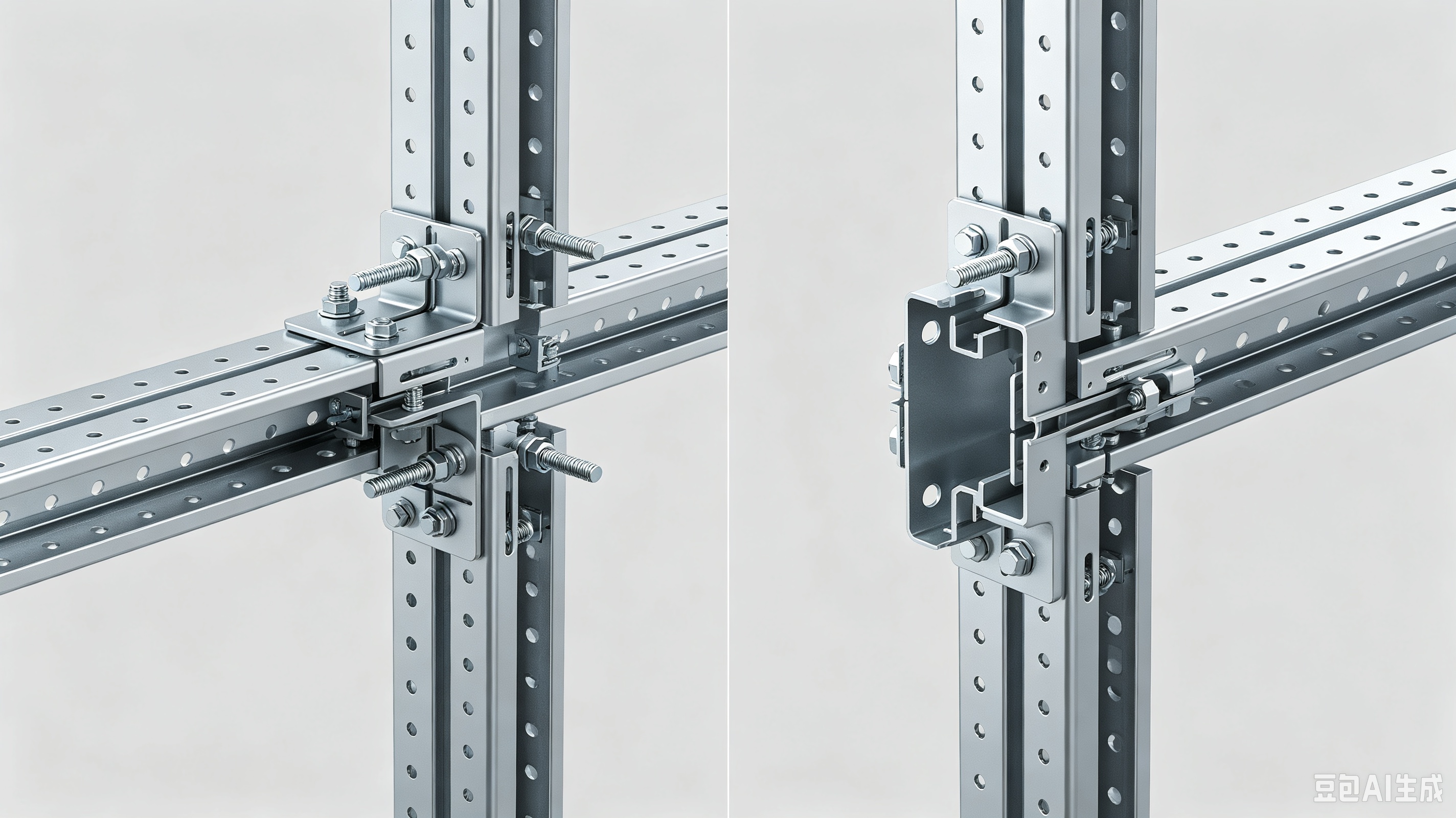
Both series share a full set of standardized accessories, including inner right-angle connectors, external corner tension connectors, extension splices, diagonal brace adapters, horizontal-vertical transition connectors, and wall bolt pressure pads. All parts are designed for direct installation without cutting, drilling, or welding on site.
2. Three Key Technical Breakthroughs in Formwork Reinforcement
2.1 Weld-Free Assembly with a Minimal Number of Core Connectors
The TABLE modular waler system reduces complexity by using only a small number of core connecting components. Unlike traditional formwork bracing, which often involves many different clamps, wedges, and fasteners, this system allows contractors to complete most shear wall and column corner installations with a minimal connector set.
Because there is no welding required on site, the system eliminates hot work, reduces tool requirements, and lowers safety risks. This simplified assembly logic is especially valuable for contractors who want to shorten training time and improve construction efficiency.
2.2 Single Waler Design Without Tie-Rod Penetration
A major difference between the TABLE modular waler system and traditional double-waler methods is that tie rods do not pass through the waler profile. Instead, the system uses external clamps to secure the single C-shaped keel.
This design avoids drilling holes through the main waler body, which can weaken the profile over time. By preserving the structural integrity of the light-steel keel, the system maintains better resistance to concrete lateral pressure. It also makes installation and stripping faster because workers do not need to align tie rods through both walers.
2.3 Detachable Tapered Wall Bolts Reduce Disposable Consumables
The system uses fixed-length, detachable tapered wall bolts that reduce reliance on disposable plastic sleeves and cement spacer blocks. Because the bolt assembly is detachable, most metal components can be recovered, inspected, and reused after formwork stripping.
This approach lowers auxiliary material consumption, reduces waste, and decreases post-pouring repair work. For contractors focused on green construction and cost control, this is one of the most practical advantages of a reusable modular waler system.
3. Core Advantages of the TABLE Modular Waler System
3.1 Lightweight Components Reduce Labor Intensity
Light-steel walers are significantly lighter than conventional double steel pipes and channel steel. Individual components can be carried and positioned by hand, often without heavy lifting equipment. This reduces physical strain on workers and helps improve installation speed.
3.2 Standardized Lengths Eliminate Most On-Site Modification
All keels are supplied in 300 mm modular lengths, and custom lengths are available up to 6000 mm. Because the parts arrive ready for installation, there is generally no need for on-site cutting, grinding, or welding. This reduces material waste, speeds up construction, and improves work safety.
3.3 High Compatibility With Different Formwork Systems
The TABLE modular waler system is compatible with both tie-rod systems and tie-plate systems. It works with plywood formwork, plastic formwork, aluminum formwork, and high-strength steel formwork. It is also compatible with common aluminum formwork series such as 63-series and 65-series aluminum formwork.
3.4 High Turnover Reduces Long-Term Cost
Galvanized steel keels are durable and corrosion-resistant. While the initial investment may be higher than conventional steel pipe and timber, the TABLE modular waler system can reduce overall project cost through repeated reuse. For contractors working across multiple projects, the amortized cost per cycle becomes increasingly competitive.
3.5 Better Concrete Finishing Quality and Less Rework
Because the light-steel walers have uniform stiffness, they help control formwork deformation and reduce problems such as formwork bulging, displacement, and poor corner alignment. This results in more consistent wall verticality and flatness, which can reduce post-pouring repair, grinding, and plastering work.
3.6 Simplified Storage, Counting, and Transshipment
Standardized components are easier to organize than mixed steel pipe and timber inventories. Parts can be stored by length and accessory type, reducing warehouse footprint and making site inventory checks faster. This standardization also simplifies cross-project transshipment.
Technical Note: The TABLE modular waler system follows established formwork bracing principles. It is designed for use with D15/D18 high-strength tie rods. Horizontal tie rod spacing should generally not exceed 1000 mm. Typical residential projects may use approximately 4 rows of walers for internal walls and 5 rows of walers for external walls, depending on the structural design and concrete lateral pressure.
4. Modular Waler vs. Traditional Double Steel Pipe and Timber System
| Comparison Item | TABLE Modular Light-Steel Waler System | Traditional Double Steel Pipe + Timber |
| Profile Type | Single lightweight C-shaped galvanized keel | Double steel pipes plus timber battens |
| Installation Method | Modular assembly, no welding required | Requires on-site timber cutting and many fasteners |
| Tie-Rod Design | External clamp connection, no penetration through waler body | Tie rods pass through drilled holes in double walers |
| Reuse Potential | Up to 500 cycles with proper maintenance | Steel pipes have limited reuse; timber is often disposable |
| Material Waste | Very low | High timber waste and fastener consumption |
| Corner Quality | Standardized inner and outer corner parts | Prone to irregular alignment and grout leakage |
| Storage & Counting | Organized by length and accessory type | Difficult to standardize and count |
| Labor Intensity | Lower due to lightweight single walers | Higher due to heavy pipes and loose parts |
5. Typical Application Scenarios
The TABLE modular waler system is suitable for many building and infrastructure applications, including:
- Shear wall and rectangular column reinforcement in high-rise residential buildings.
- Plywood formwork and plastic formworkbracing using the 4×6 series
- Aluminum formwork projects using the 6×8 heavy-duty series
- Wall-column formwork in commercial complexes and underground parking structures
- Industrial buildings, infrastructure projects, and heavy-loaded formwork conditions
- Both purchase and rental-based projects requiring cross-component reuse
For project-specific recommendations, contractors should consult a formwork engineer and verify the layout against the structural drawings and concrete lateral pressure requirements.
6. Frequently Asked Questions
Q1: Where can we save cost compared with traditional steel pipe and timber reinforcement?
A: Cost savings come from both direct and indirect sources. Direct savings include lower timber consumption, reduced fastener loss, and less material waste. Indirect savings include reduced labor for on-site timber cutting, fewer adjustments during installation, and less post-pouring repair and plastering work. Because the TABLE modular waler system can be reused across multiple projects, the amortized cost becomes more competitive over time.
Q2: Can this waler system work with aluminum formwork? Do we need to modify existing aluminum formwork hole positions?
A: Yes. The 6×8 heavy-duty series is specifically designed for aluminum formwork. It is compatible with 63-series and 65-series aluminum formwork and supports both tie-rod and tie-plate construction methods. In most cases, there is no need to modify the existing aluminum formwork hole positions.
Q3: Keels follow a 300 mm modulus. How do you handle non-standard wall dimensions?
A: Non-standard dimensions can be handled through a combination of standard modular lengths, extension splice connectors, and custom lengths up to 6000 mm. Standard parts cover most regular wall sections, while a small number of custom-length walers can be added for irregular conditions. This approach reduces the need for on-site cutting.
Q4: Does installation require highly skilled workers? Our crew only has experience with traditional steel pipe walers.
A: No. The installation logic is similar to traditional waler systems. The main difference is that double steel pipes are replaced by standardized light-steel walers. Because there is no welding required, ordinary carpenters can learn the method quickly after a short technical briefing.
Q5: Is rental available? Can components really achieve 500 turnover cycles?
A: Yes, the TABLE modular waler system is suitable for both purchase and rental models. The 500-cycle figure is a theoretical maximum based on proper use, maintenance, corrosion protection, and avoidance of severe impact deformation. Under reasonable site conditions, the components can achieve a high number of reuses.
Q6: How are internal and external corners reinforced? Will mortar leakage and formwork bulging occur?
A: The system uses dedicated inner right-angle connectors and external corner tension connectors. These standard parts help maintain corner rigidity and reduce the risk of grout leakage and formwork bulging. Proper installation, correct bolt tightening, and compliance with the designed spacing are essential for consistent results.
Q7: How do I choose between the 4×6 and 6×8 series?
A: Choose the 4×6 series for **plywood formwork or plastic formwork** under normal concrete lateral pressure. Choose the 6×8 series for aluminum formwork, high floor heights, or high-load conditions. Accessories for both series are interchangeable, making site management easier.
Q8: Do we have to use special wall tie bolts? Can existing ordinary tie rods on site be used?
A: The TABLE modular waler system is compatible with standard D15/D18 high-strength tie rods. The patented detachable tapered wall bolt is an optimized option, but existing high-strength tie rods on site can still be used in many cases. This allows contractors to reduce inventory replacement costs.
Q9: What is the difference between a waler, a waling beam, and a strongback?
A: These terms are often used interchangeably in construction. A waler, waling beam, or strongback is a horizontal member used to stiffen and support formwork. The TABLE modular waler system is an engineered, prefabricated light-steel alternative to traditional double steel pipe walers.
Q10: What certificates or patents does the TABLE modular waler system have?
A: The TABLE Modular Waler System holds multiple Chinese utility model patentsrelated to its C-shaped keel structure, corner connectors, and angle-pull components. The galvanized Q355/Q700 steel components are manufactured to construction-grade quality standards. For specific certificate details, please contact TABLE Shoring & Formwork directly.
7. Conclusion
As the construction industry continues to emphasize green building, cost efficiency, safety, and concrete finishing quality, traditional double steel pipe and timber formwork bracing is reaching its practical limits. While still common, it suffers from high material waste, complex site management, unpredictable corner quality, and limited reuse.
The TABLE Modular Waler System offers a more standardized alternative. By combining modular fixed lengths, weld-free assembly, high-strength galvanized steel, reusable hardware, and broad formwork compatibility, it helps contractors improve construction efficiency while maintaining safety and quality.
For engineers, procurement managers, and contractors looking for a reusable formwork reinforcement system, the TABLE modular waler system is worth evaluating as a practical next-generation solution for shear wall and column construction.
Contact TABLE Shoring & Formwork
If you would like more information about the TABLE modular waler system, including technical specifications, project layout advice, or pricing, please contact our formwork engineering team.
Address: Unit 507, Building C-7, No. 328 Xinghu Street, Suzhou Industrial Park, China (Jiangsu) Pilot Free Trade Zone
Tel: +86 512-65199851
Email: tableshoring@gmail.com / tableformwork@gmail.com
Website:www.tableformwork.com