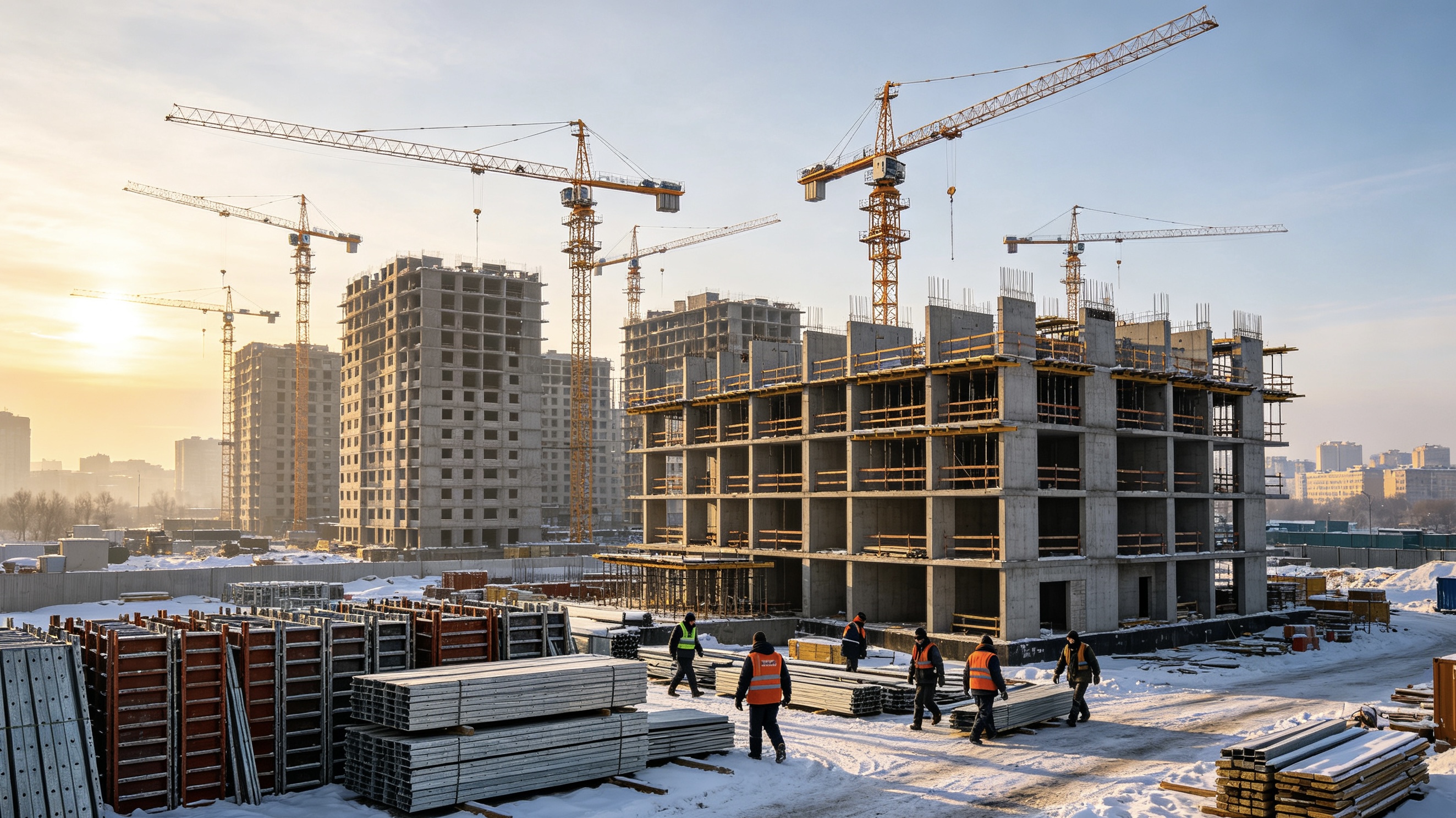
Why Modular Efficient Formwork Became an Indispensable Hidden Asset for Russia & Central Asia’s Construction Boom
Walk through any construction site in Moscow, Astana, Tashkent or Dushanbe, and you’ll spot a shared industry pain point hidden behind the booming cranes: outdated formwork solutions dragging down the whole project schedule.
Russia’s $1.2 trillion national infrastructure plan and Central Asia’s 7.8% annual construction growth rate have triggered a non-stop wave of high-rise residences, metro lines, energy plants and water tank projects. But for most local contractors, the construction boom is also a crisis of material, labor and climate adaptation. What many builders ignored at first—high-efficiency modular steel-ply formwork—has quietly turned into a non-negotiable core resource.
1. The Unique Construction Pain Points of Russia & Central Asia
Unlike Southeast Asia or the Middle East, CIS countries face four tough regional challenges that eliminate traditional formwork options:
(1) Extreme long cold seasons shorten valid construction time
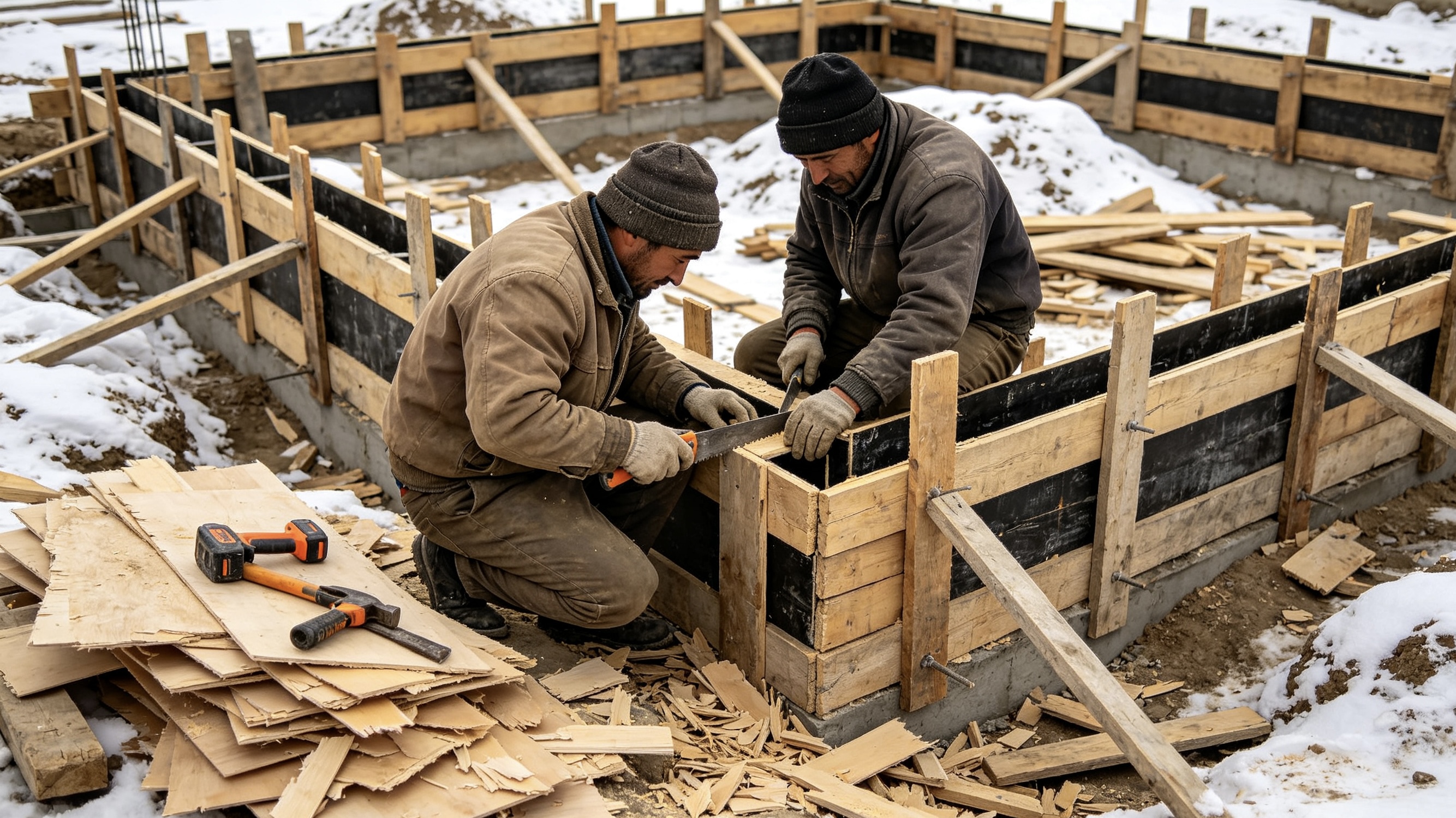
Cities like Astana see temperatures dropping to -40°C for half a year, leaving only 5–6 months of safe construction annually. Ordinary pure timber formwork cracks and absorbs moisture under drastic temperature swings, requiring frequent replacement and massive material waste. Local birch plywood prices keep climbing due to tight timber export quotas, pushing up recurring costs sharply.
(2) Severe shortage of skilled construction labor
All five Central Asian nations and remote Russian regions lack experienced carpenters. Conventional custom wooden shuttering demands precise cutting and complex fixing, which local untrained workers cannot master quickly. Long assembly hours directly delay project handover.
(3) Diverse complex structural demands
Regional projects cover residential shear walls, large utility columns, underground water tanks and tunnel walls. One-size-fits-all simple formwork cannot adapt to T-joints, internal/external 90° corners and variable wall thicknesses, forcing repeated cutting and on-site modification.
(4) Strict cost control for medium & small contractors
Most local construction firms run tight budgets. Disposable timber formwork only serves 3–6 pours; full heavy steel panels weigh too much, requiring extra tower crane fees and more manpower for transport and installation. Neither option delivers long-term economic returns.
2. TB63 & TB120 Series Modular Formwork: Targeted Solutions for CIS Markets
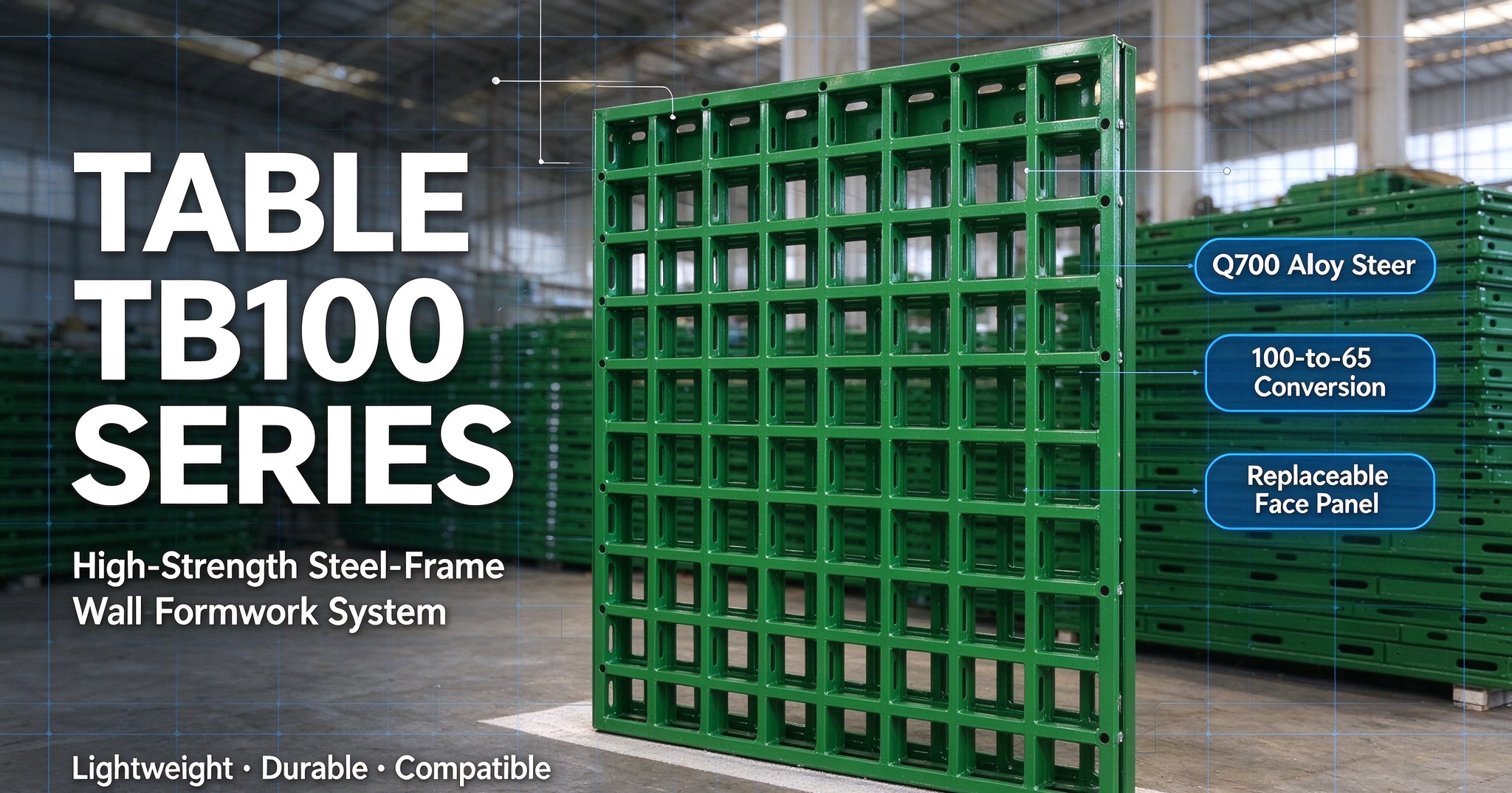
Our two core formwork lines, the lightweight TB63 Steel-Ply System and heavy-duty TB120 Wall Form System, are engineered to resolve every regional pain point above, verified by global projects including Dubai high-rises and Xi’an Rongmin Financial Center, and perfectly adaptable to Russian & Central Asian site conditions.
TB120 Heavy-Duty Wall Form: For Super High-Rise & Large Infrastructure
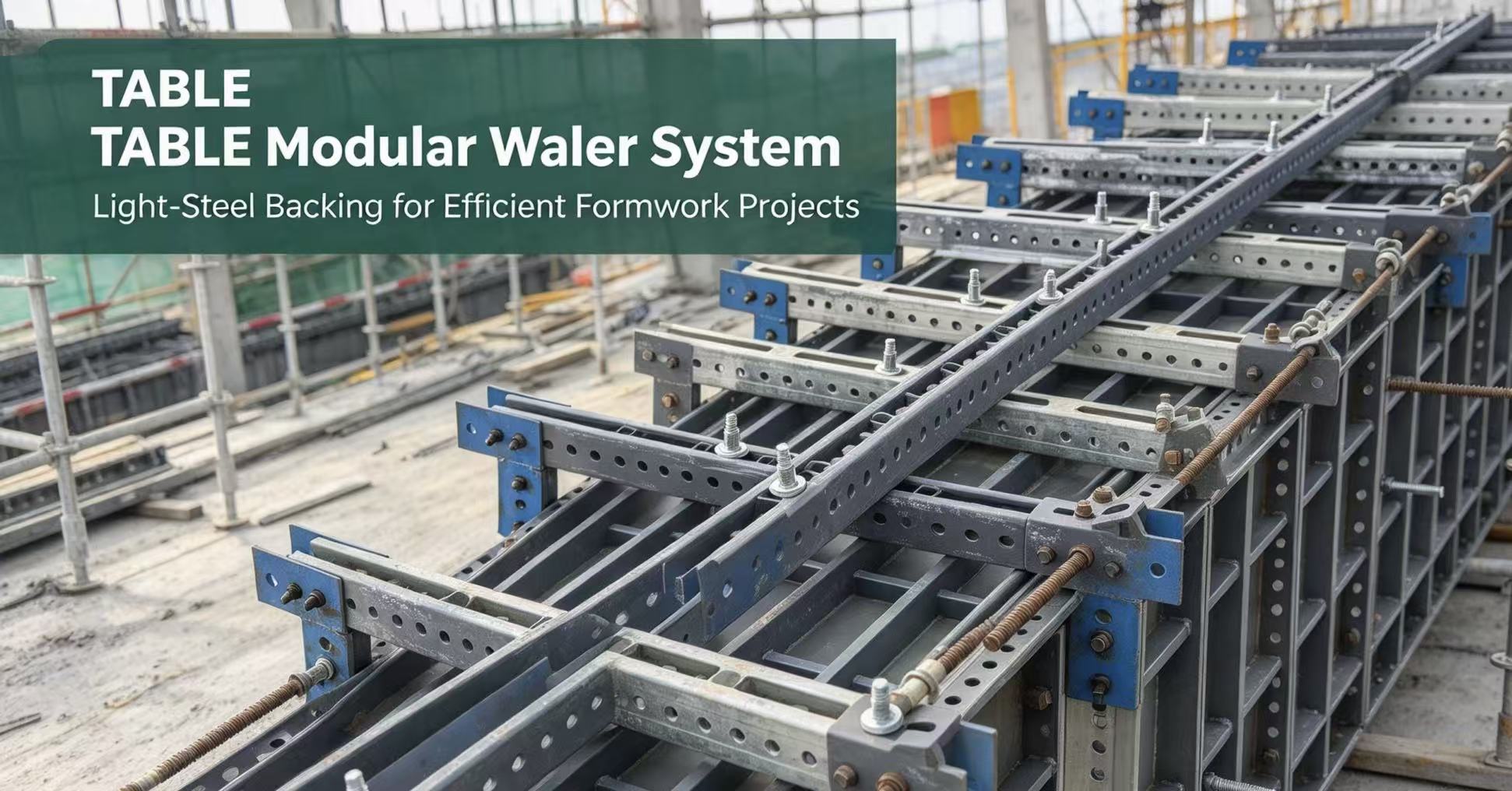
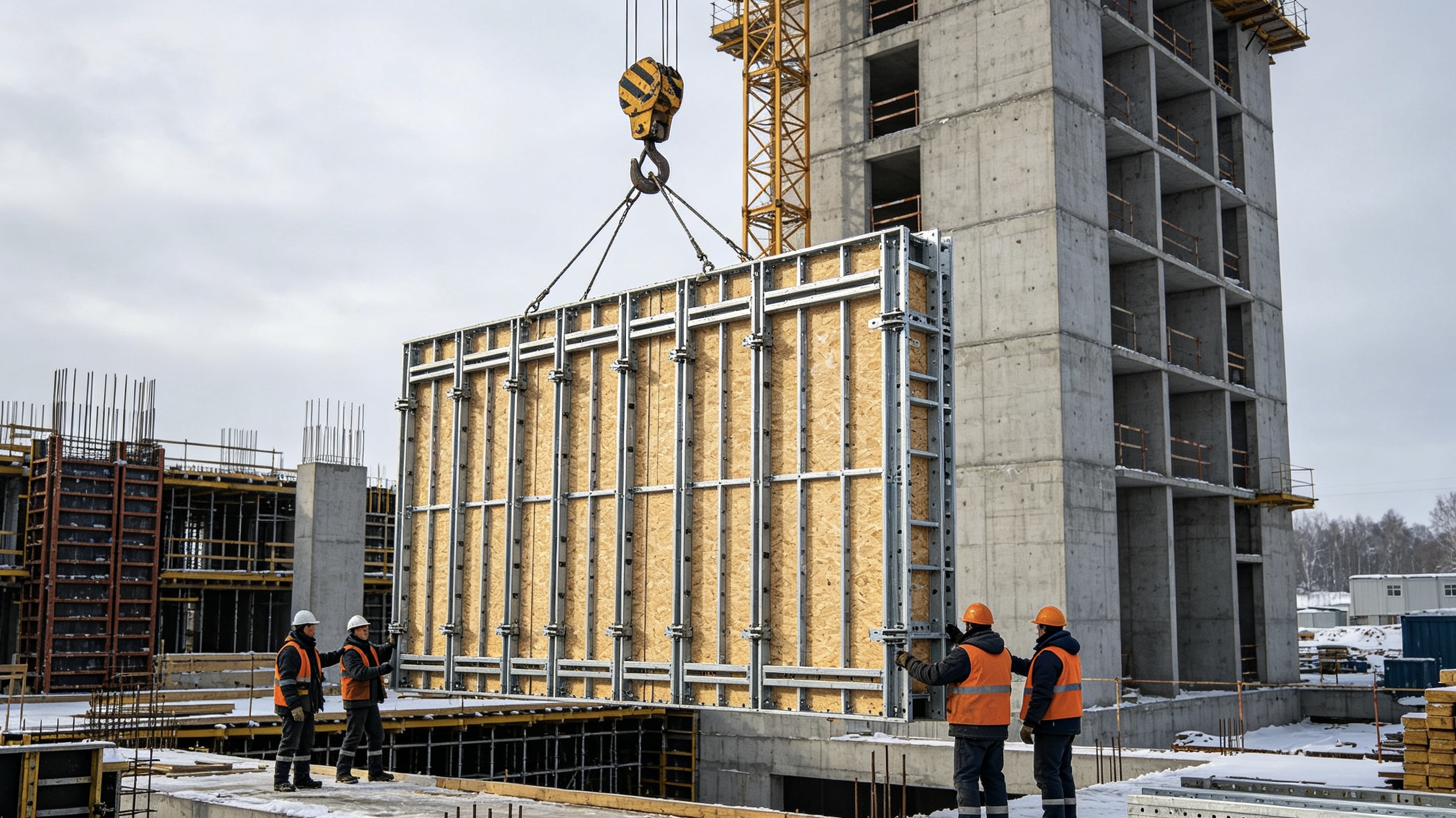
Built with torsion-resistant Q345B hollow steel frames and high-density film-faced plywood, this heavy system features a built-in double steel waling matrix, supporting a maximum bearing load of 57KN/m²—fully compliant with Russia’s GOST concrete pressure standards.
- Ultra-long service life: Hot-dip galvanized frames resist salt corrosion in Central Asian saline soil; plywood realizes over 50 repeated uses, slashing per-pour material cost.
- All-scenario compatibility: Standard panels in 300–2400mm widths, matched with 90° corners, compensation walers and adjustable infill plates, freely combining for walls, columns and water tanks without custom cutting.
- Integrated lifting design: Equipped with dedicated single-panel lifting hooks and stacked lifting connectors, enabling whole-panel hoisting to cut 60% assembly time, ideal for large commercial and energy projects in Kazakhstan & Uzbekistan.
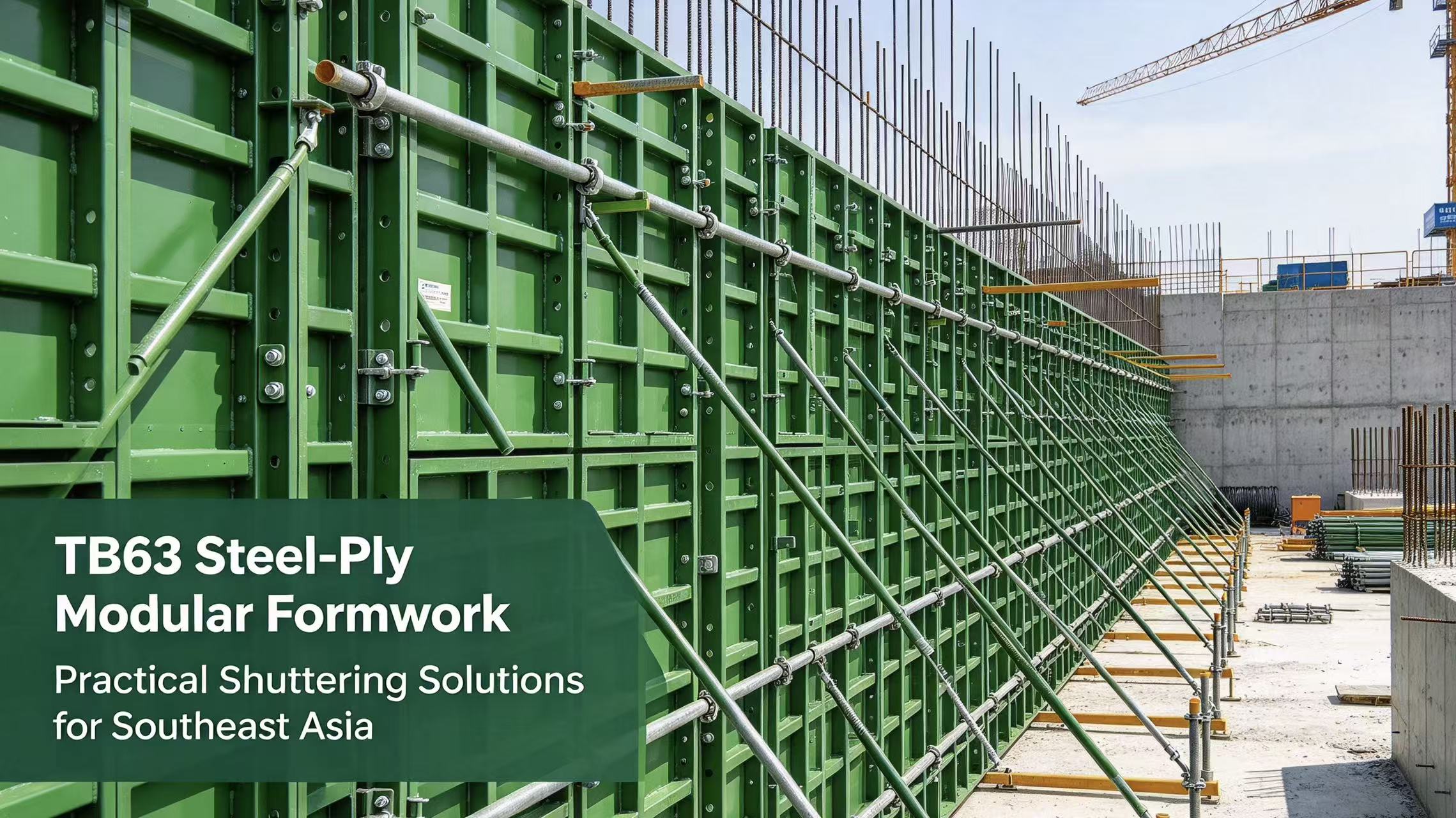
TB63 Lightweight Steel-Ply Modular System: Perfect for Residential & Small-Medium Works
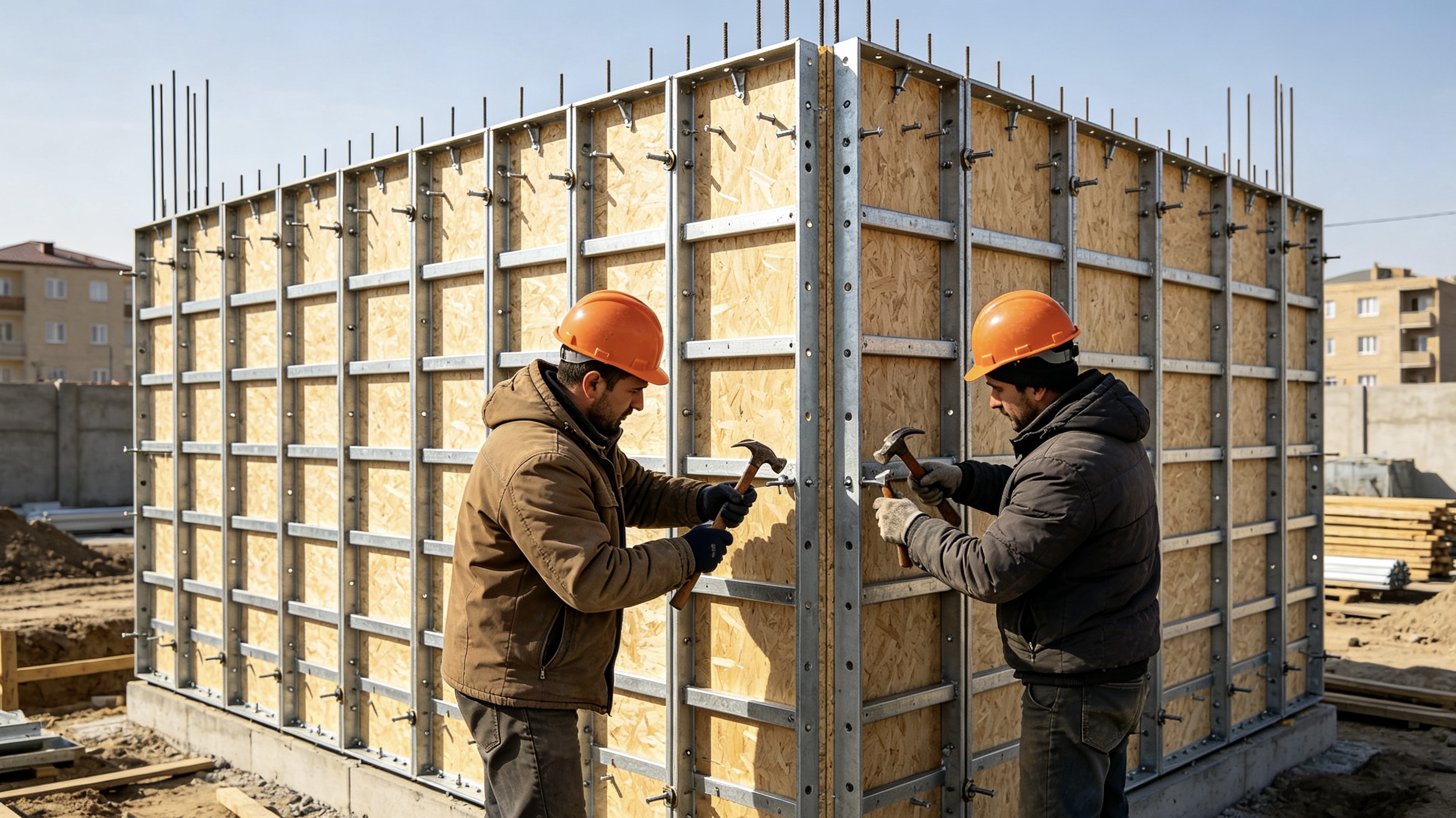
Weighing max 38kg per full panel, the TB63 line only needs two workers for manual handling, reducing reliance on tower cranes on small sites with limited lifting equipment.
- Zero complicated operation: Only a hammer and wedge pins are required for connection; local untrained labor can finish assembly after 1-hour basic training, solving the skilled worker shortage crisis.
- Flexible 50mm modular increment: Panel widths range 100–600mm, heights 300–3000mm, matching standard residential wall sizes widely adopted across Russia and Central Asian capitals.
- Excellent low-temperature stability: Composite steel-ply structure avoids brittle cracking under -50°C; plywood surface resists frost condensation, delivering smooth, defect-free concrete finish without extra polishing.
3. Real CIS Site Advantages That Make Formwork a Hidden Necessity
① Cut labor & time losses amid short construction windows
Both systems eliminate on-site cutting and repetitive measuring. On a 10,000㎡ residential project in western Russia, contractors using TB63 finished wall form installation 42% faster than teams with timber shuttering, squeezing more construction volume into the limited warm season.
② Reduce long-term material expenditure
Timber formwork must be fully replaced every 3–5 floors. TB63/TB120 steel frames can be reused for 100+ projects with simple plywood replacement. For medium-sized firms in Kyrgyzstan and Tajikistan, the total comprehensive cost drops by over 35% within 2 years.
③ Adapt harsh local geographic environments
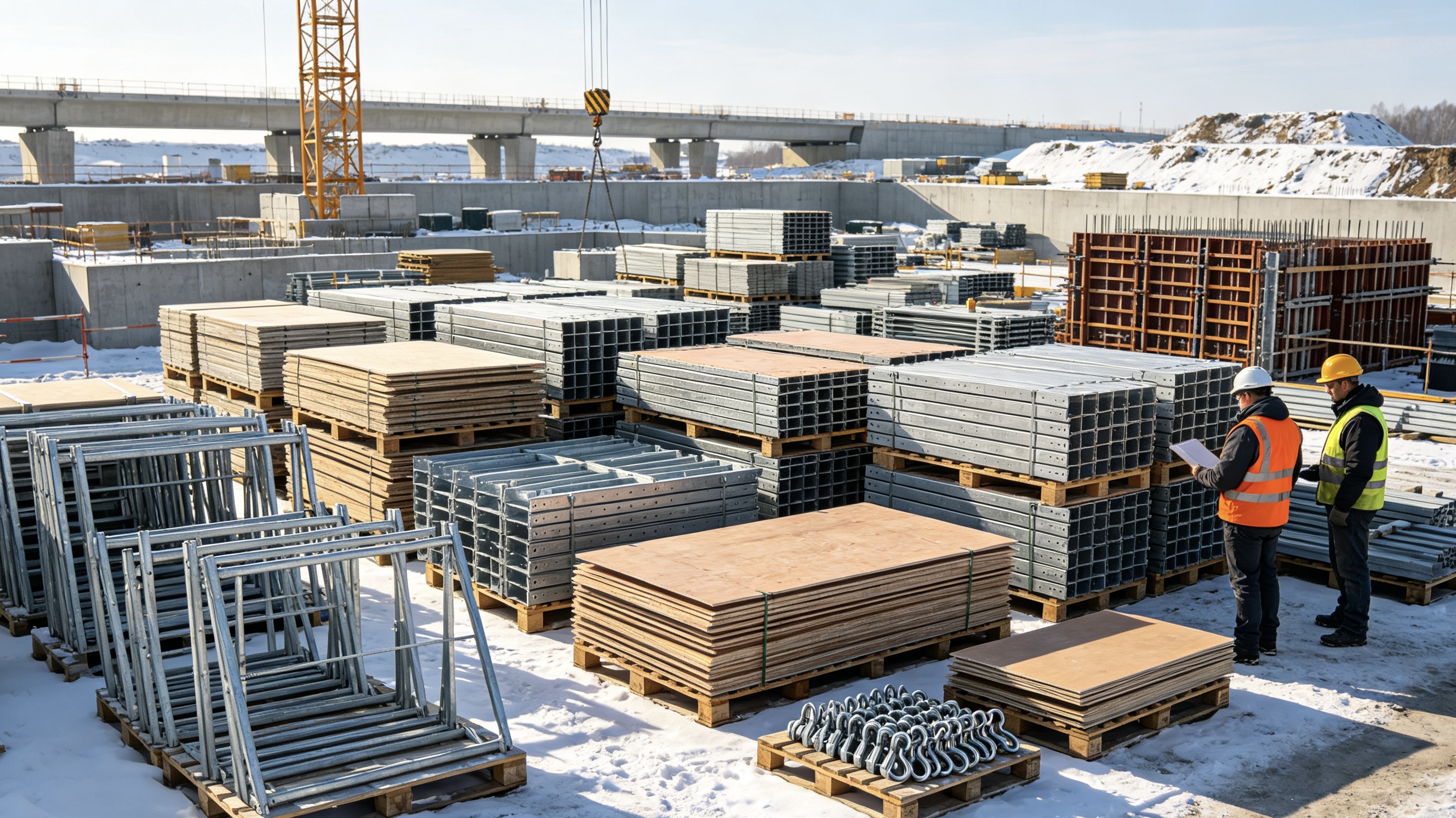
The anti-rust coating of steel frames withstands salt-laden wind around the Aral Sea basin and Central Asian desert areas, avoiding the rust deformation common with cheap full-steel formwork. The thermal stable plywood prevents frost sticking during winter intermittent construction.
④ Simplify cross-border logistics
Modular panels are uniform in size, stackable flat for container shipment. Standardized component lists lower customs declaration complexity between Russia and Central Asian countries, cutting transit and storage costs compared with irregular custom timber.
4. Real Global Project Verification (Transferable to CIS Works)
- Dubai High-Rise (2010): TB120 heavy wall form completed shear wall pouring for a 48-story tower, achieving uniform concrete surface without secondary plastering.
- Xi’an Rongmin Financial Center (2019): Large-panel integrated lifting shortened core wall construction cycle by 30%.
- Multiple residential sites in northern China’s cold zones: The same formwork series operated stably under -28°C winter conditions, proving its viability for Russia’s far-north projects.
Closing Thoughts
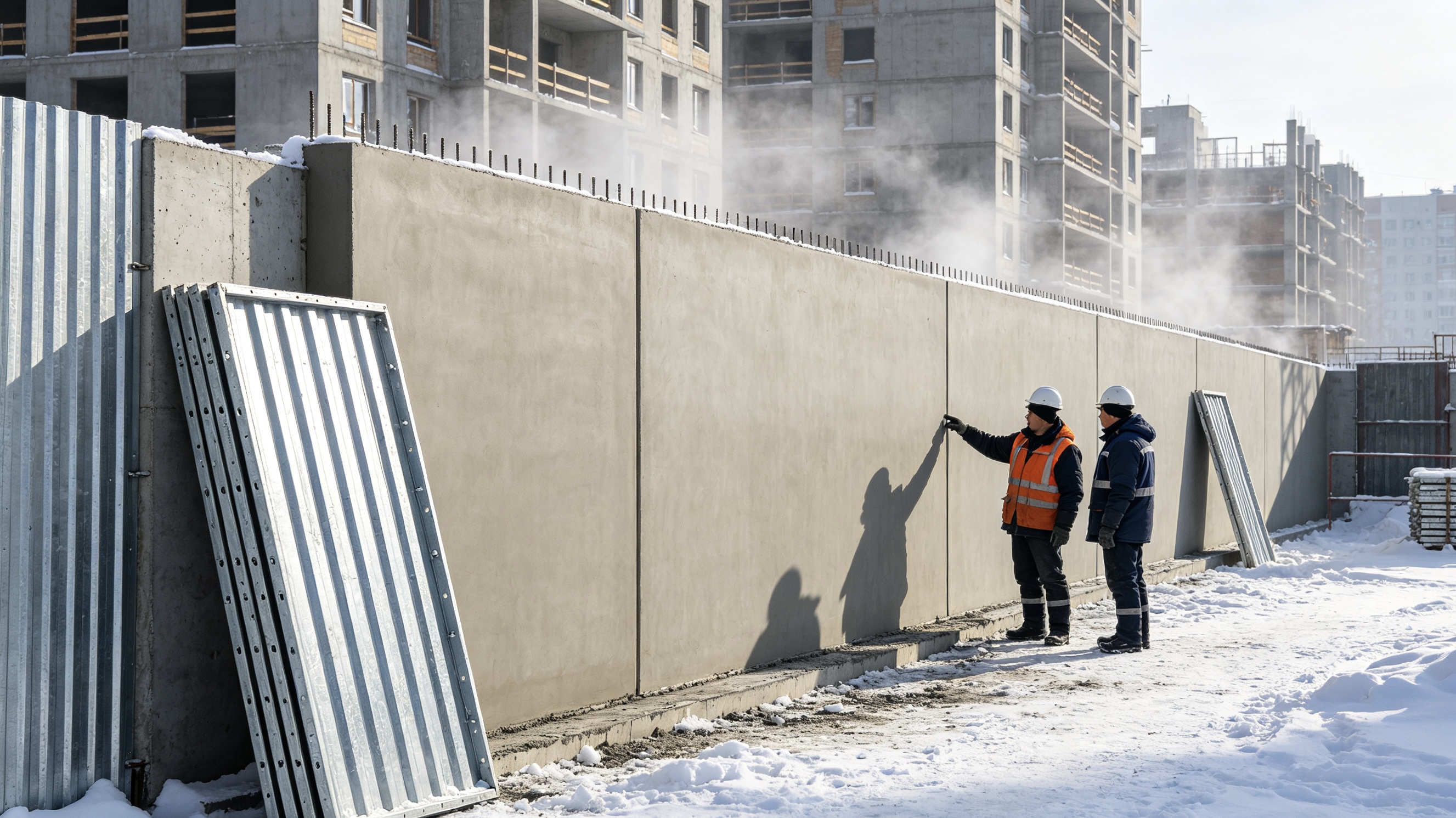
The construction boom sweeping Russia and Central Asia is not just a race for land and investment—it’s a competition of construction efficiency and long-term cost control. Many contractors still treat formwork as a minor auxiliary material, but on every tight-schedule cold-region site, high-efficiency modular steel-ply systems are silently deciding whether a project hits its delivery deadline and stays profitable.
As CIS urbanization accelerates, TB63 lightweight and TB120 heavy-duty formwork will stop being an optional upgrade, and become the hidden, essential foundation supporting the region’s decades-long building surge.