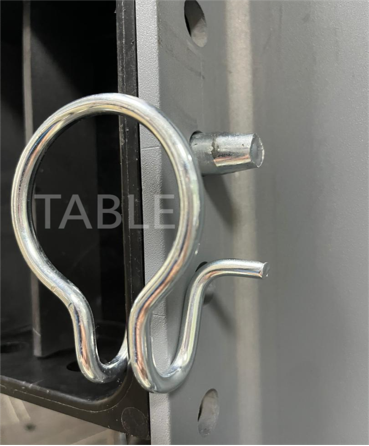
How to select and use formwork clamps to ensure construction project safety
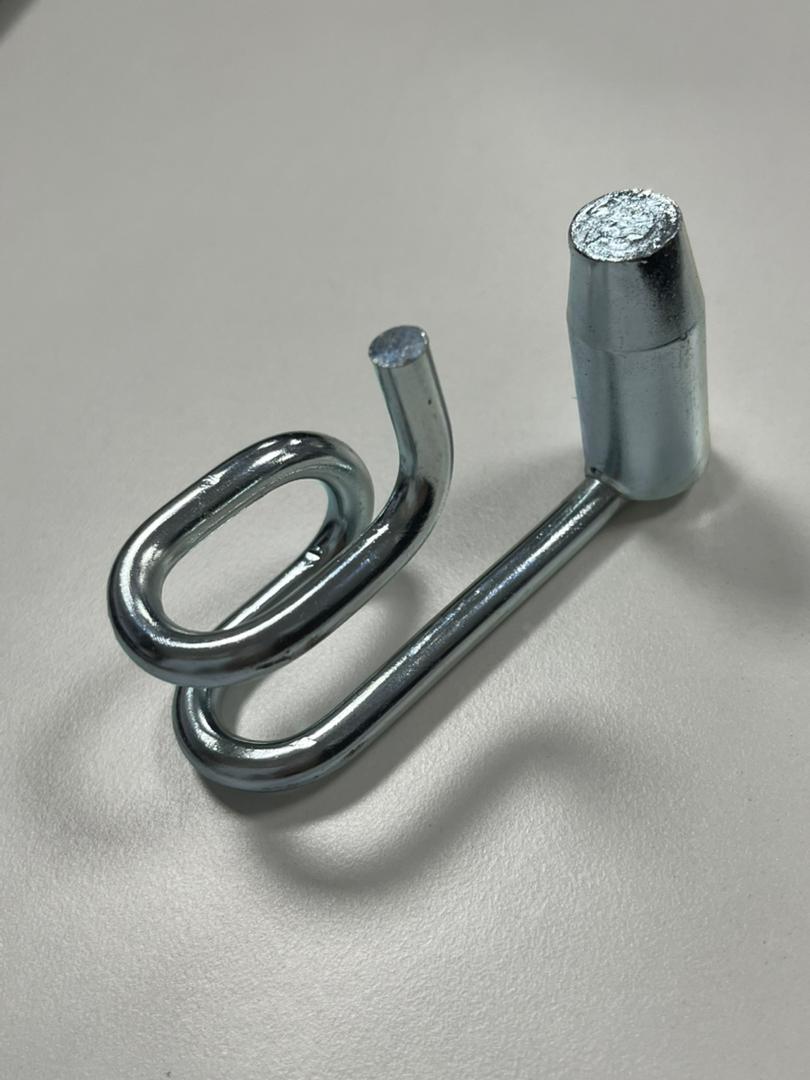
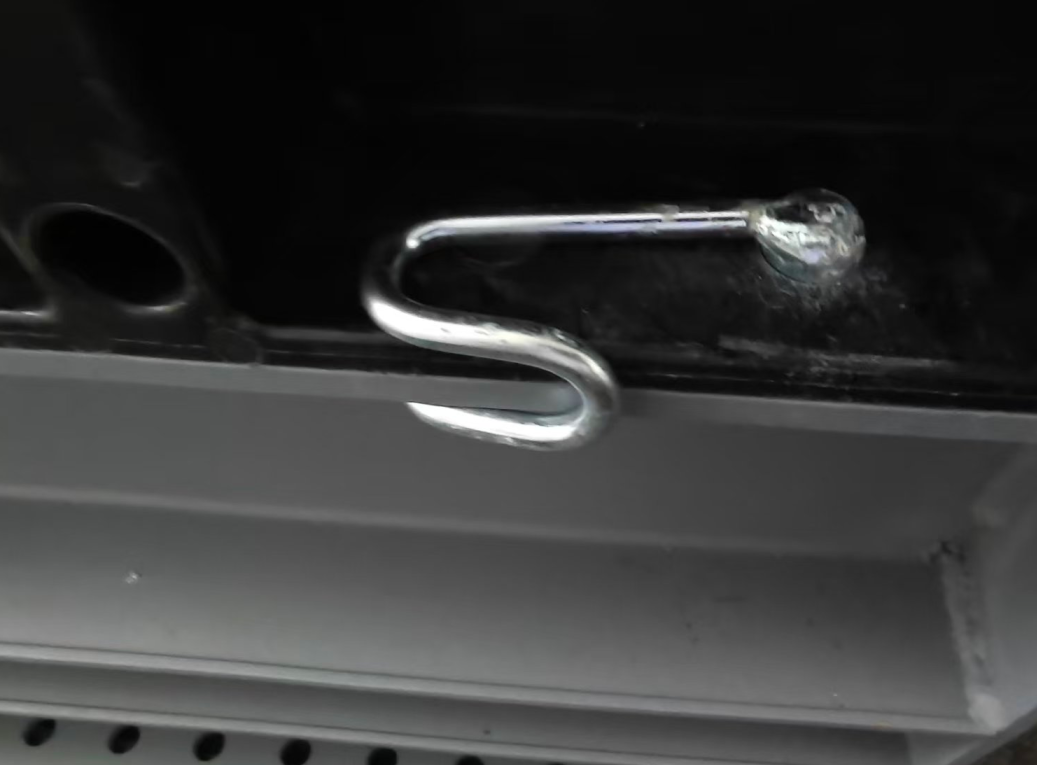
When undertaking construction projects involving concrete pouring, selecting appropriate formwork clamps is crucial for ensuring structural integrity and safety. Formwork clamps are key components for securing wooden or metal formwork, preventing leaks, and maintaining the desired shape during curing. This guide will walk you step-by-step through the effective selection, installation, and maintenance of formwork clamps, helping you achieve professional-grade results whether you're a DIY enthusiast or an experienced construction worker.
Understanding the basics of template fixtures
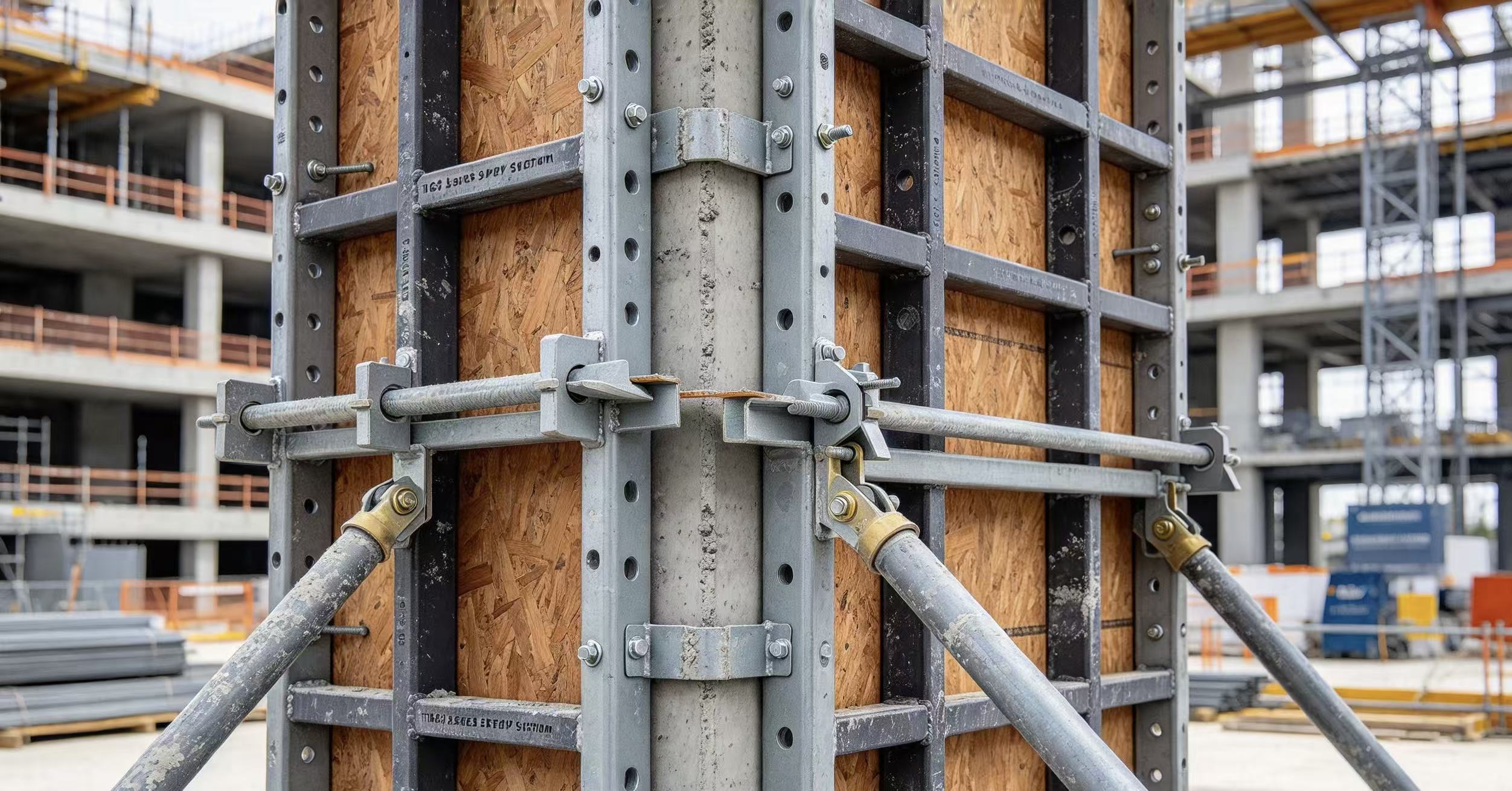
Formwork clamps are devices specifically designed to securely hold formwork panels, which are temporary molds used in concrete construction. These clamps come in various types, such as wedge clamps, flat tie rods, or double-ended clamps, each suitable for projects of different scales. For example, basic formwork clamps can apply high clamping pressure to resist the hydrostatic pressure of wet concrete, thus ensuring no deformation occurs.
First, assess the project requirements. Measure the thickness and span of the formwork panels. If using standard plywood formwork, choose formwork clamps that can evenly distribute pressure to avoid damaging the material. Always check the load-bearing capacity of the clamps—ideally choose clamps with a single clamp capacity of at least 1000 pounds to handle typical concrete weights. These basics will guide your selection process.
Template Fixture Installation Step-by-Step Guide
After selecting the appropriate formwork clamps, proper installation is crucial to ensuring no leaks. First, prepare the formwork: ensure it is clean, aligned, and reinforced on both sides. Depending on the pouring height, install one clamp every 12 to 24 inches (approximately 30 to 60 centimeters) along the joint.
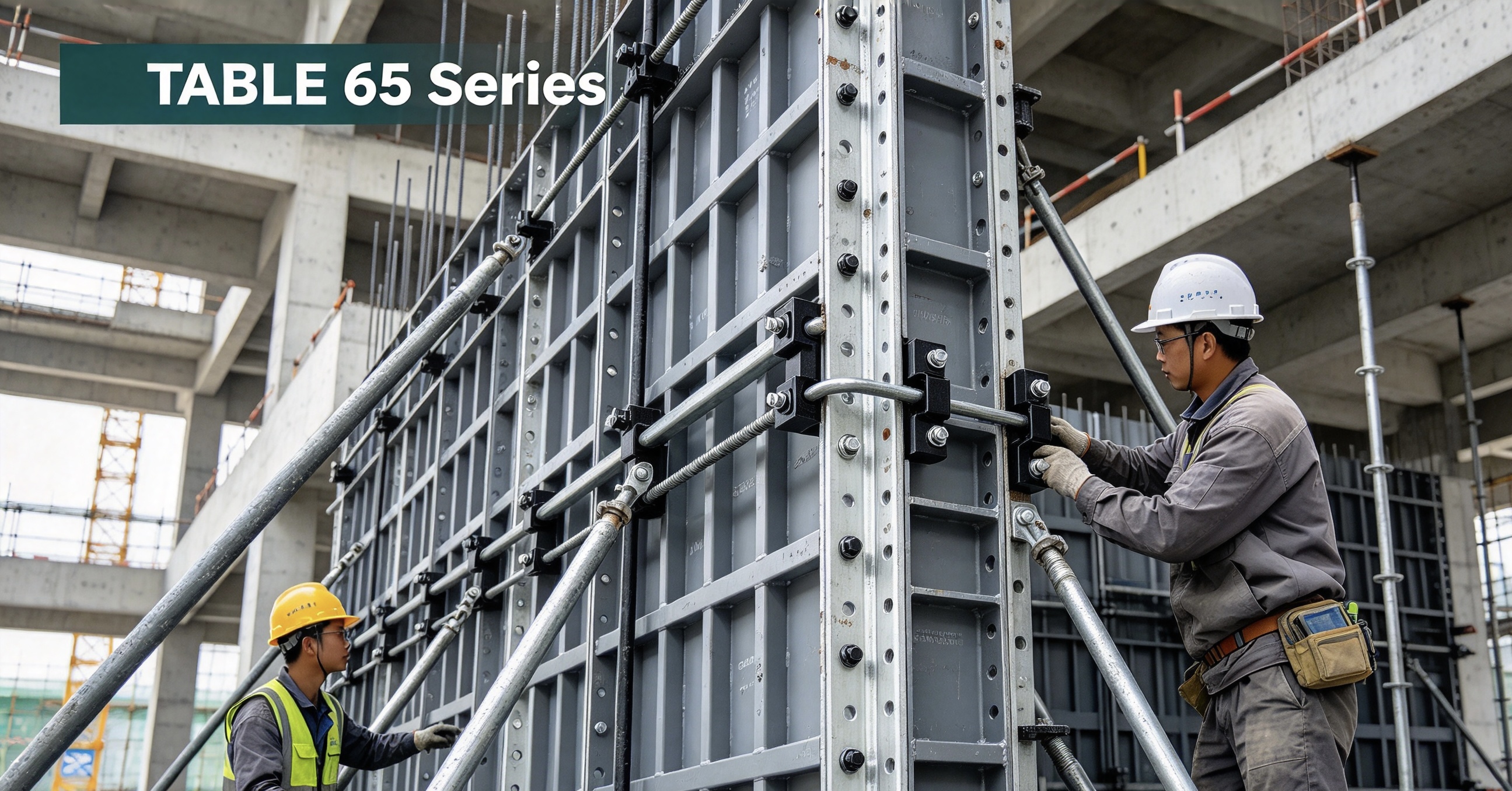
For standard formwork connection procedures, align the edges of the two formwork panels. Slide the formwork clamp across the joint, adjusting the jaw position to firmly grip the two panels. Tighten the clamp using the provided bolts or lever mechanism—apply torque gradually to achieve even pressure and prevent formwork deformation. If using wedge formwork clamps, hammer the wedges in with a mallet until they are securely locked. Use a level to double-check the alignment, ensuring the wall is vertical.
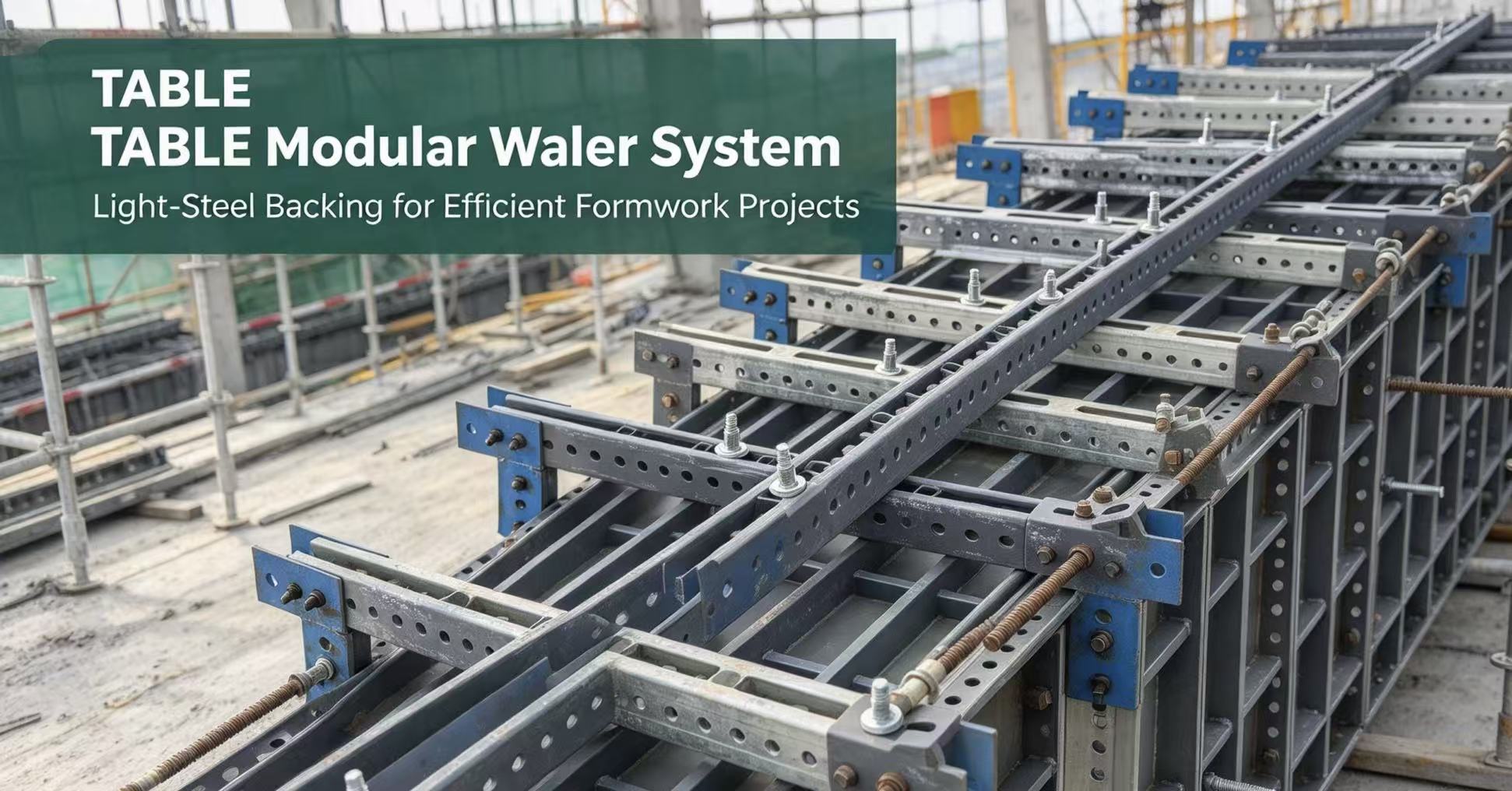
To improve stability, formwork connection techniques can be employed, such as combining clamps with tie rods or beams. For taller formwork, horizontal supports can be added between the vertical clamps to evenly distribute the load. A gentle tap on the formwork should be used for testing; it should be ensured to be stable and free from wobbling. This rigorous approach minimizes risk and ensures smooth concrete pouring.
Advanced techniques for template linking and maintenance
Effective formwork connections are more than just simple clamping—they aim to create a cohesive system that can withstand environmental factors such as wind and vibration. Using compatible accessories, such as quick-connect fittings for wall formwork, can work seamlessly with your formwork clamping system. For complex shapes such as columns or beams, consider using adjustable formwork clamps for curved connections, increasing flexibility during on-site construction.
Maintenance is crucial for extending the service life of your formwork clamps. After each use, inspect the clamps for wear, such as bent jaws or corroded threads, and remove any concrete residue with a wire brush and a mild solvent. Store them in a dry environment to prevent rust. Regularly lubricating moving parts will ensure smooth operation in future projects. By following these maintenance methods, your formwork clamps can last for many years and provide reliable performance.
Common mistakes to avoid when using template fixtures
Even experienced construction workers can make mistakes when using formwork clamps if they are careless. A common mistake is overtightening, which can crush the formwork or strip the threads—always follow the manufacturer's torque specifications. Another pitfall is insufficient clamp spacing, which can cause concrete bulges. The clamp spacing should be determined based on project calculations and should never exceed the recommended load.
Furthermore, neglecting safety procedures, such as not wearing gloves or safety goggles during installation, can lead to injury. Always secure all loose parts and ensure all team members are trained on the template clamping system. By avoiding these mistakes, you can complete the project efficiently and safely.
Upgrade your equipment with premium components.
To improve the performance of your formwork system, use formwork clamps in conjunction with high-quality tie rods and gaskets. For example, plastic tapered fillers prevent joints from bursting, while steel beams reinforce longer spans. Investing in durable materials, such as galvanized steel clamps, effectively resists corrosion in humid environments.
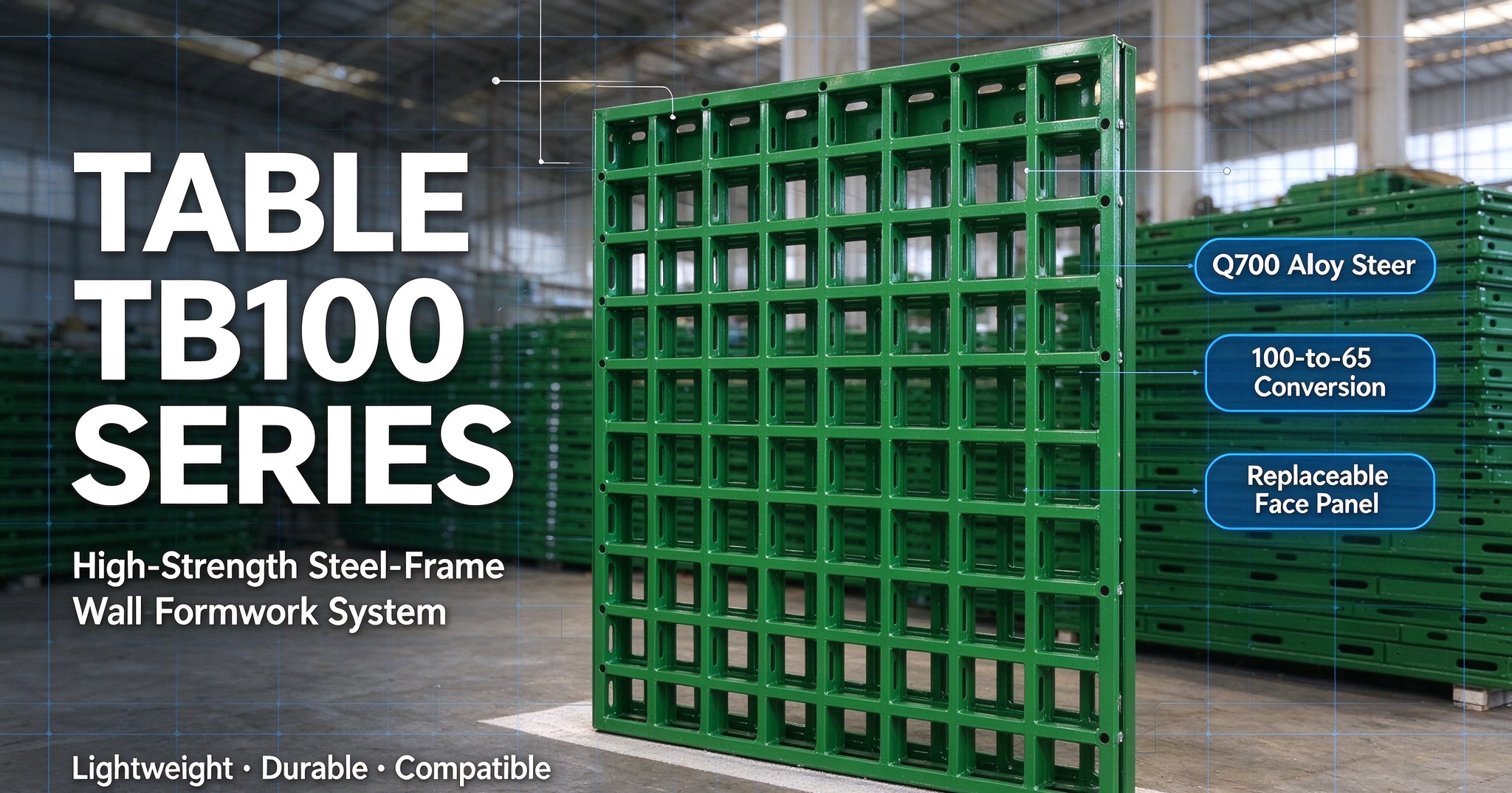
Try using a modular formwork connection system for reusability, thereby reducing costs across multiple projects. Since requirements vary by region, consult your local building codes to ensure compliance. These improvements will make your construction projects more robust and efficient.
In short, mastering the use of formwork clamps will transform ordinary formwork into precise and durable structures. By selecting the appropriate type, installing them meticulously, and maintaining them properly, you will achieve outstanding results in concrete engineering. This guide will provide you with the knowledge you need to confidently tackle any project.