

High-Performance Shoring Equipment
Our shoring systems provide maximum stability, high load capacity,
and rapid assembly, enhancing safety and efficiency for projects of all sizes


Global Formwork & Shoring Manufacturer
Over 500,000 sets produced annually, fast delivery, stable quality,
and complete solutions for concrete construction
Why Choose Table Intelligent Construction
Our factory in Suzhou covers 30,000 m², integrating formwork manufacturing and R&D center. TABLE operates multiple production lines with an annual capacity of 500,000 sets, supported by 200+ skilled staff, 20 QC devices, and 15 R&D engineers. Renowned globally for quality, TABLE follows strict 5S system and holds ISO9001 certification. Recognized as a 'High-Tech Enterprise,' TABLE holds multiple patents including Green Formwork.
Robust Production
500,000 sets/year manufactured in China
Quick Delivery
Global stock, ship in 7 work days
Global Reach
100+ dealers, exports to 50+ countries
Certified Quality
ISO, CE certified, strict 5S system
Fast Customization
15 R&D experts, GF patents, OEM/ODM ready
Product Categories

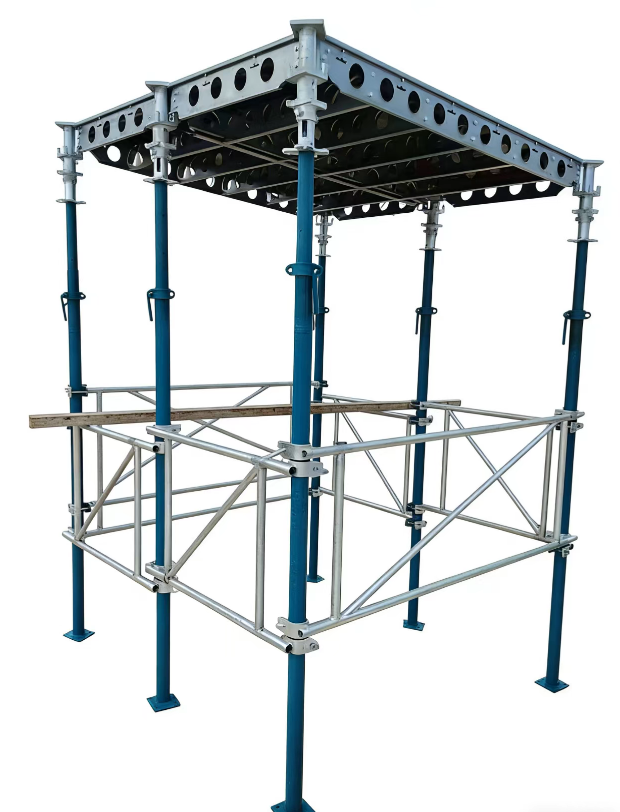
Formwork System
Formwork System

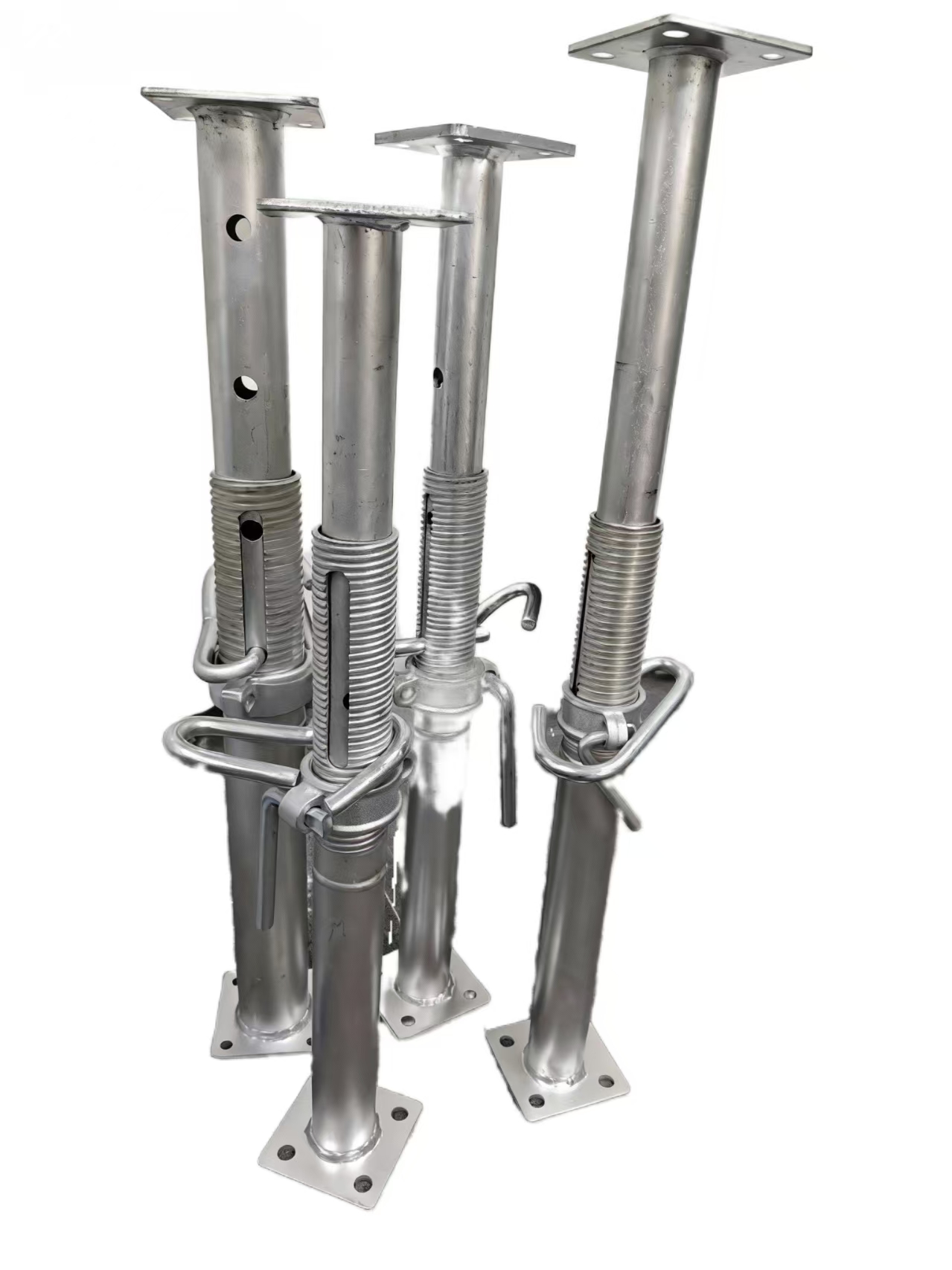
Shoring system
1. Bearing Vertical Loads: Supports the total weight generated by formwork, reinforcing steel, freshly poured concrete, construction personnel, and equipment.2. Maintaining Formwork Elevation: Ensures the bottom elevation of horizontal components like slabs and beams is precise and meets design specifications.3. Guaranteeing System Stability: Provides vertical support for the entire formwork system, serving as the cornerstone of formwork safety.

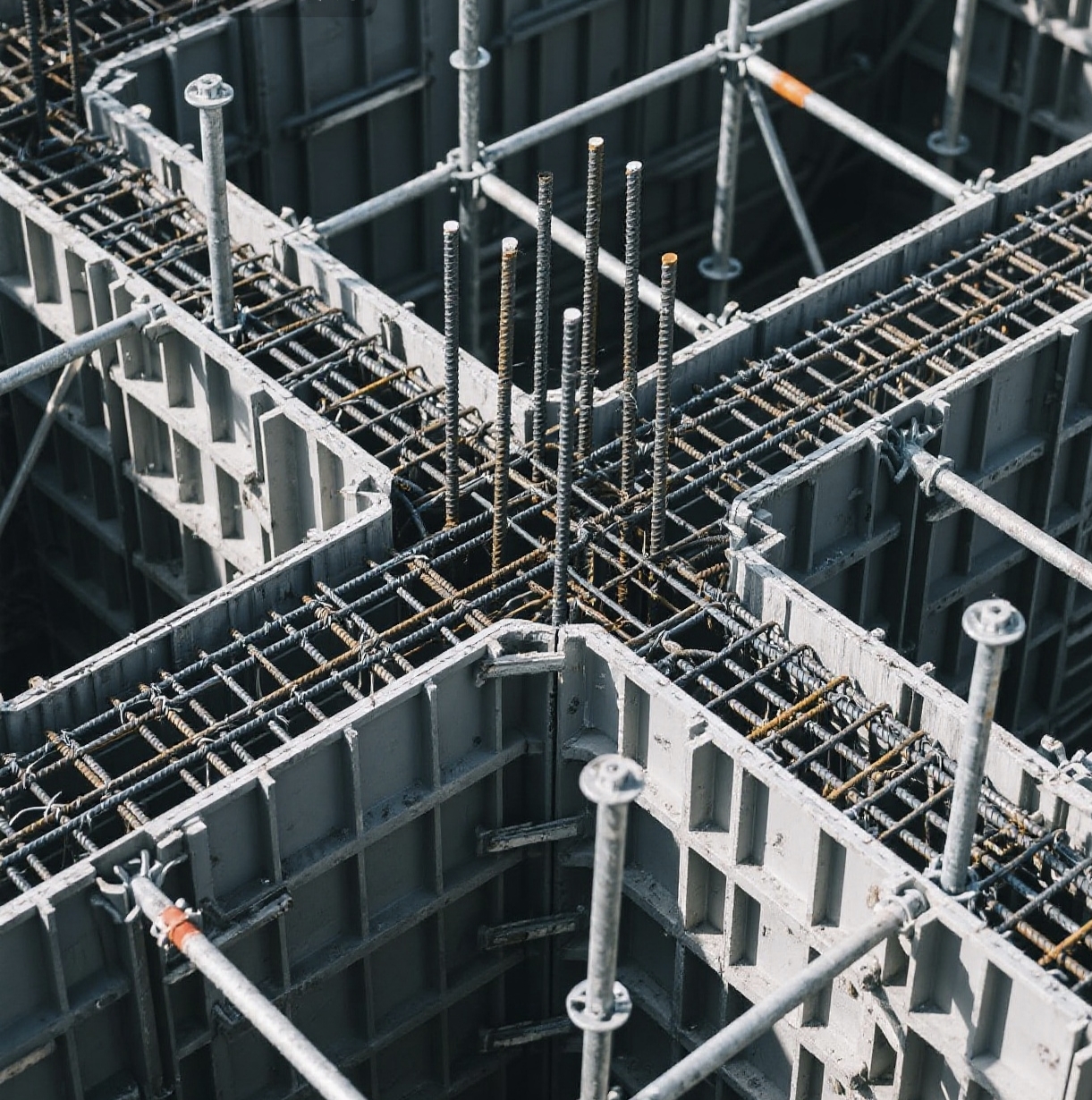
Reinforcement system
Reinforcement system

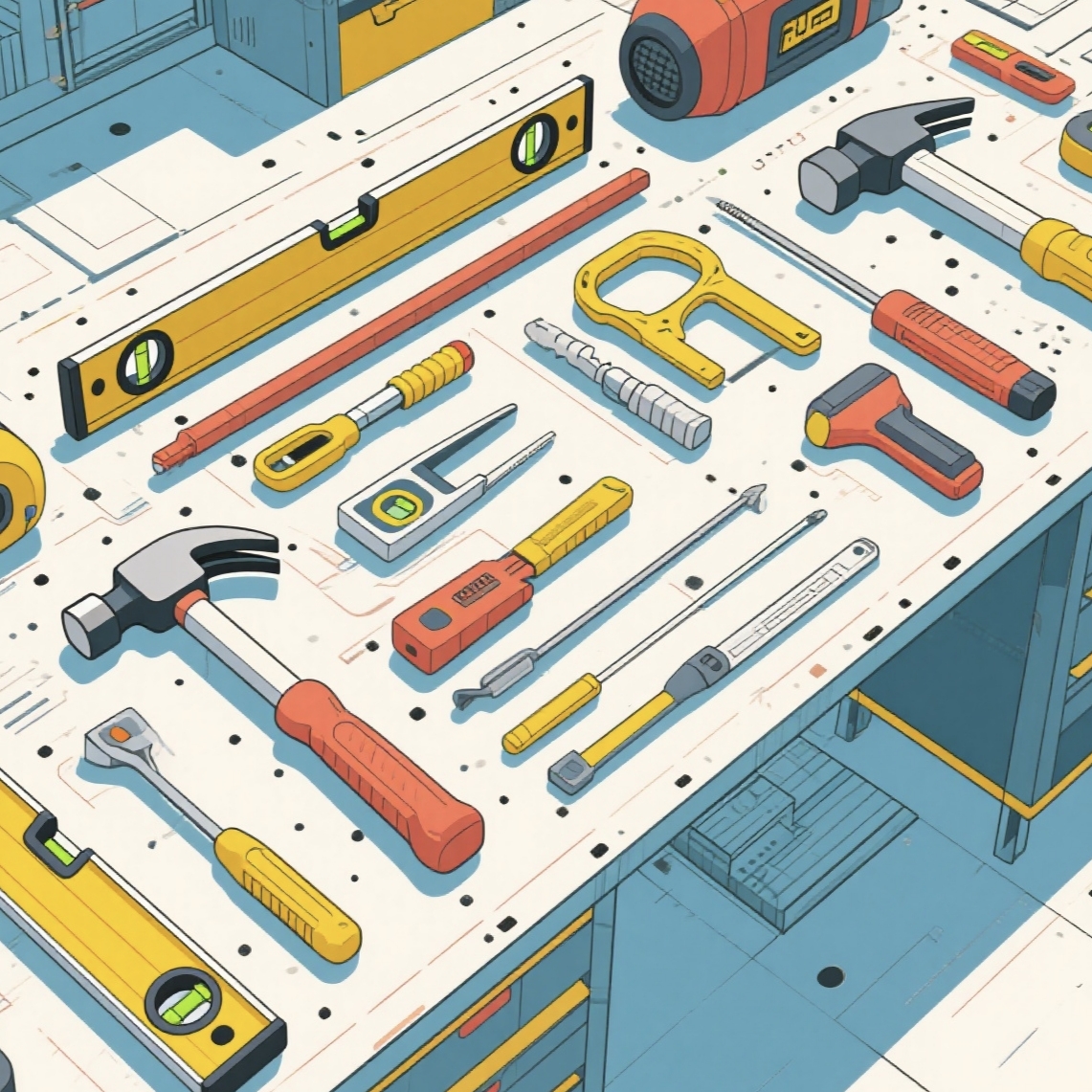
Accessories of formwork and shoring
Accessories of formwork and shoring
Formwork
Professional formwork systems for walls, columns and slabs. Precision engineering meets efficient construction for superior concrete results.
Wall Formwork
Precision-engineered wall formwork systems for flawless concrete surfaces. Our modular panels ensure rapid assembly, perfect alignment, and minimal labor costs for vertical structures of any scale.


Trusted by Industry Leaders
See how TABLE formwork systems have helped construction companies worldwide improve efficiency and reduce costs.
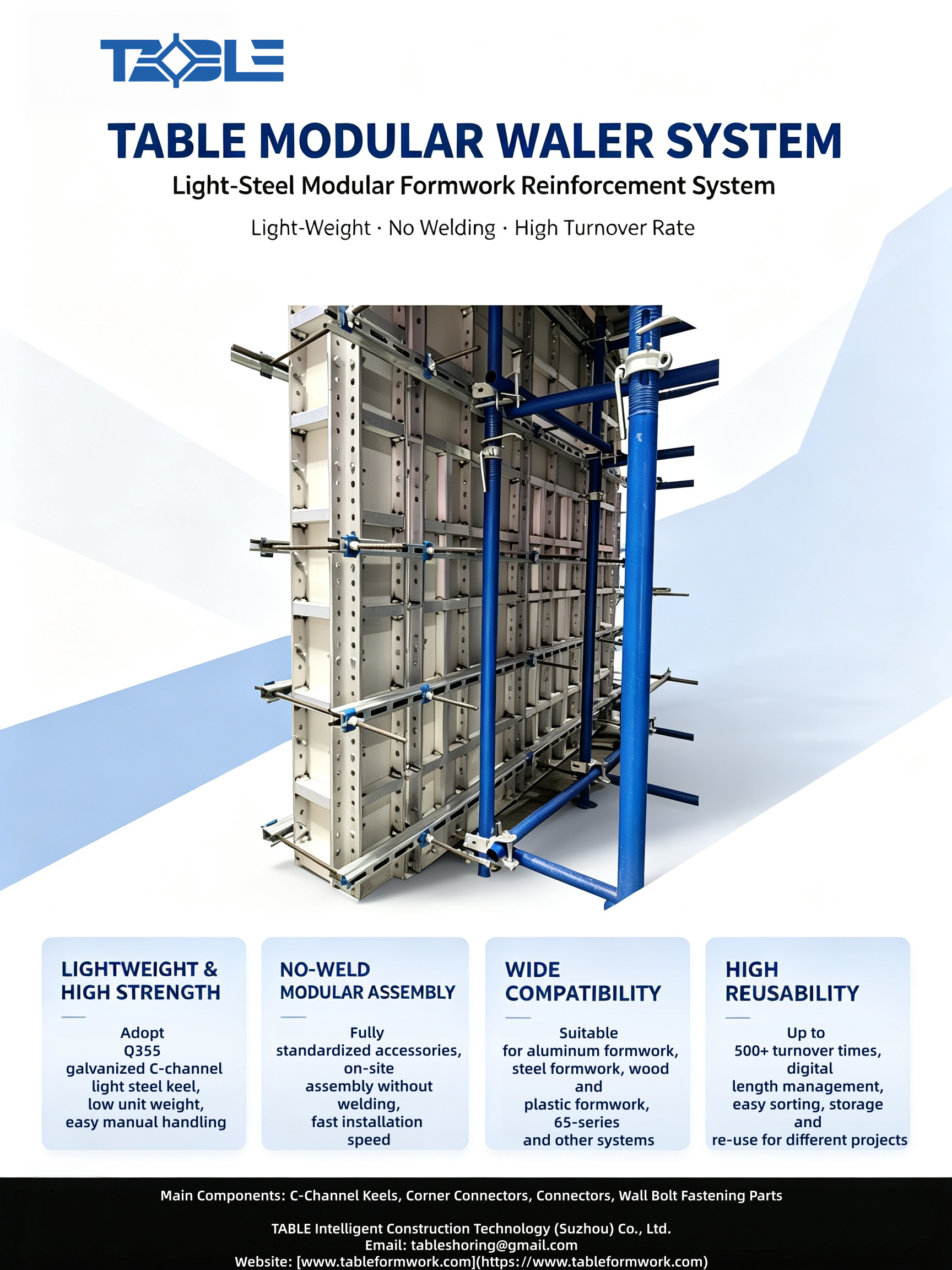
TABLE Modular Waler System: Patent‑Protected Light‑Steel Backing Reinforcement For Formwork
TABLE Modular Waler System is a patented no‑welding light‑steel formwork reinforcement solution to replace conventional heavy double steel‑pipe walers. Made of Q355 galvanized C‑channel keels with digital‑length modular design, it is compatible with timber, plastic and aluminum formwork. Boasting three core technical innovations including detachable tapered wall screw, this system achieves over 500 turnover cycles. Light‑weight, easy sorting & storage, widely adopted for shear walls, concrete columns and high‑rise construction. Check out system specifications, real‑world project cases and technical FAQ in this post.
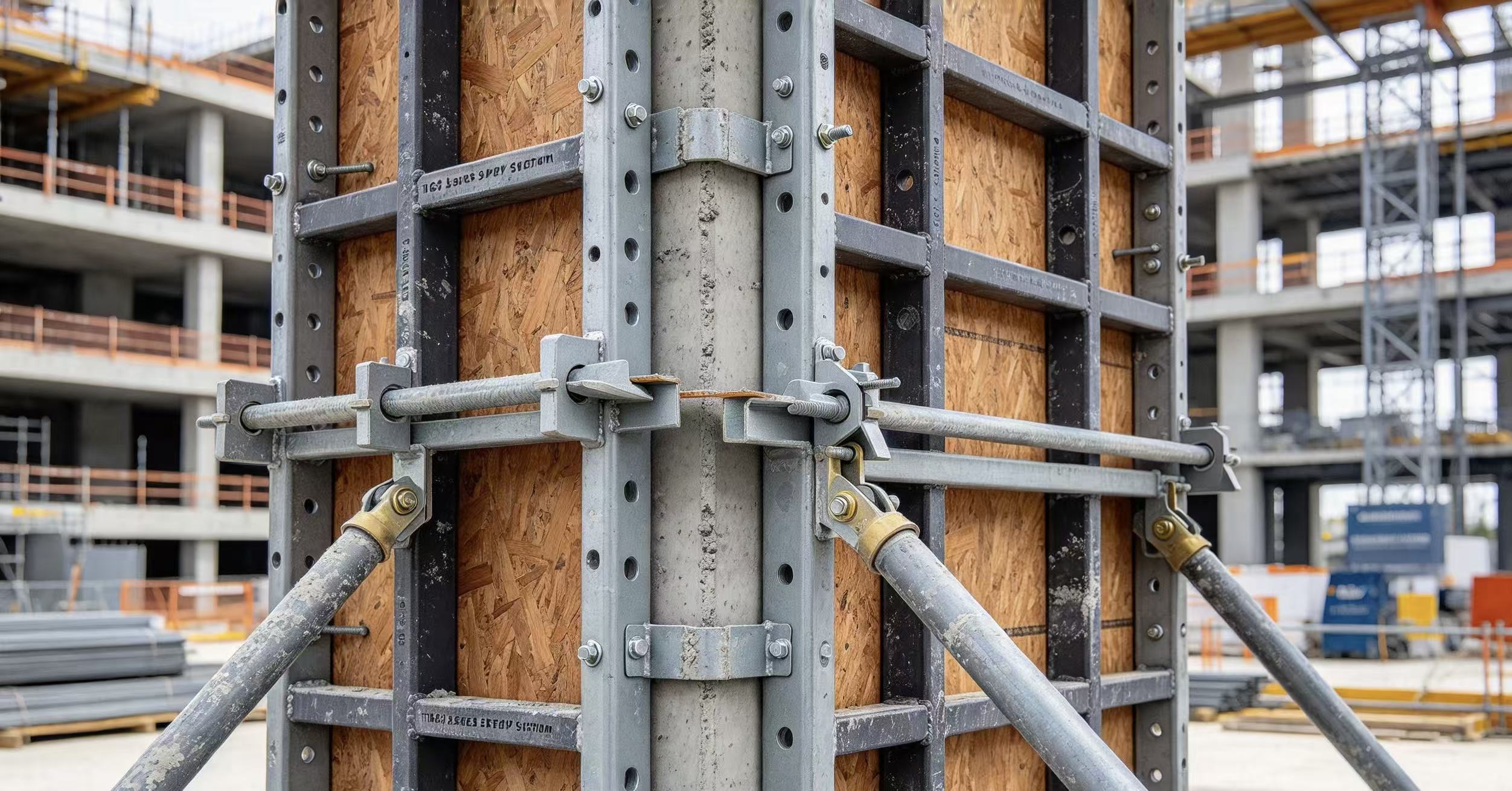
TB63 Series Steel‑Ply System: Practical Modular Steel‑Frame Formwork for Southeast‑Asia Building Projects
Timber formwork suffers short service life while full‑aluminium solutions require high initial investment for many Southeast‑Asia contractors and rental yards. This article introduces TB63 Series Steel‑Ply System, a modular steel‑frame shuttering with plywood facing. We cover material specs, core merits, on‑site erection & stripping workflow and real‑world application notes for tropical multi‑storey construction without overstating product performance.
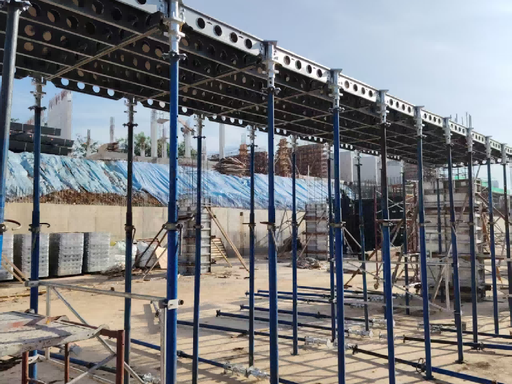
TABLE Deck Drophead System|Modular Panelized Early‑Stripping Slab Formwork
TABLE Deck Drophead modular slab formwork, flat‑pack knockdown steel panels with quick‑release drophead for early stripping. Compatible with ring‑lock & kwikstage scaffolding. Ideal for housing, basement and export construction projects.
TABLE Modular Waler System: Patent‑Protected Light‑Steel Backing Reinforcement For Formwork
TABLE Modular Waler System is a patented no‑welding light‑steel formwork reinforcement solution to replace conventional heavy double steel‑pipe walers. Made of Q355 galvanized C‑channel keels with digital‑length modular design, it is compatible with timber, plastic and aluminum formwork. Boasting three core technical innovations including detachable tapered wall screw, this system achieves over 500 turnover cycles. Light‑weight, easy sorting & storage, widely adopted for shear walls, concrete columns and high‑rise construction. Check out system specifications, real‑world project cases and technical FAQ in this post.
TB63 Series Steel‑Ply System: Practical Modular Steel‑Frame Formwork for Southeast‑Asia Building Projects
Timber formwork suffers short service life while full‑aluminium solutions require high initial investment for many Southeast‑Asia contractors and rental yards. This article introduces TB63 Series Steel‑Ply System, a modular steel‑frame shuttering with plywood facing. We cover material specs, core merits, on‑site erection & stripping workflow and real‑world application notes for tropical multi‑storey construction without overstating product performance.